
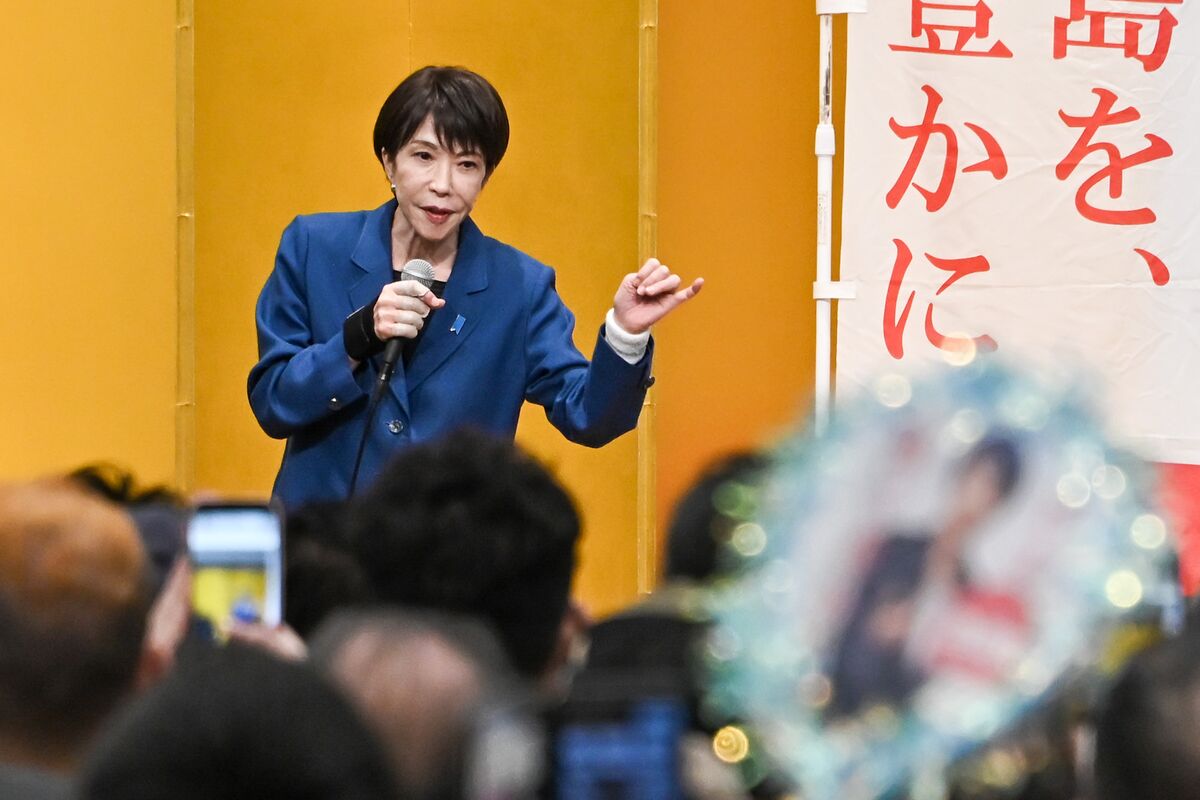
Published 2026-02-08
Summary: Japan heads to a snap parliamentary election as Prime Minister Sanae Takaichi seeks a direct mandate to support her government’s economic and investment agenda. Voters will decide whether to endorse her leadership and the ruling coalition amid investor attention and policy stakes.
What We Know
- Japan planned a snap parliamentary election set for February 8, 2026.
- Sanae Takaichi is the Prime Minister and leads the ruling coalition.
- The snap election is being called to seek a direct public mandate to push through economic and other policies.’
- Reports indicate polling and commentary suggesting the prime minister and her coalition aim for a decisive mandate, reflecting expectations of support from voters.
- The electoral outcome is seen as potentially affecting spending plans and investment policy direction.
What’s Still Unclear
- The exact margin of victory or loss for the ruling coalition, and whether a landslide is anticipated remains uncertain.
- Specific policy details or spending proposals that would be enacted if a strong mandate is secured are not confirmed in available information.
- How different political actors beyond the ruling coalition will perform in the election, and how opposition forces might shape the result.
- Impact of the election on market expectations and investor sentiment remains to be observed after voting.
Context
Context: Japan uses parliamentary elections to determine the composition of the national legislature and, by extension, the government’s ability to advance policy priorities. Snap elections are called to seek a fresh public mandate outside the regular timetable, often to address pressing economic or political considerations.
Why It Matters
A clear mandate could influence Japan’s economic and investment policy trajectory, including how the government plans spending and supports growth initiatives. The election outcome may also affect regional policy signals and investor confidence.
What to Watch Next
- Post-election projections and official results detailing the composition of the legislature.
- Assessment of whether the ruling coalition secures a strong mandate or experiences a more fragmented parliament.
- Analysis of the potential impact on economic policy and investment plans following the election.
- Market and sentiment reactions to the final results and any policy roadmap presented by the new or reaffirmed leadership.
FAQ
Q: What is the purpose of this snap election?
A: To seek a direct public mandate for the government’s economic and other policy priorities.
Q: Who is leading the government seeking the mandate?
A: Prime Minister Sanae Takaichi and the ruling coalition.
Related coverage
- Japan Voters Verdict Leadership: Japan Votes to Decide
- Australian iron ore ports closure: Cyclone Mitchell
- Japan election spending plan vibes: path signals for
Source Transparency
- This article is based on a short preliminary brief and may not reflect the full details available in ongoing reporting.
- Source links are provided in the Sources section where available.
- A limited open-web check was used to clarify key details when possible; unclear items remain clearly marked.
Original brief: Japanese voters head to the polls Sunday to deliver a verdict on Prime Minister Sanae Takaichi’s government as she seeks to shore up her grip on power and gain a clear mandate for spending and investment plans that have unsettled some investors…
Sources
- Japan's Takaichi eyes decisive mandate as polls point to snap election …
- Japan's February 8, 2026 Snap Election: Political context, key actors …
- Japan PM readies snap election, February 8 ballot eyed
- Seeking Direct Public Mandate, Japan's Prime Minister Takaichi Calls …
- Japan PM Takaichi dissolves lower house for Feb. 8 election to seek mandate