
Published 2026-02-11
Summary: Indonesia is considering or implementing production limits on nickel mining, with reports indicating a substantial reduction in 2026 from 2025 levels, potentially affecting the world’s largest nickel mine and market dynamics.
What We Know
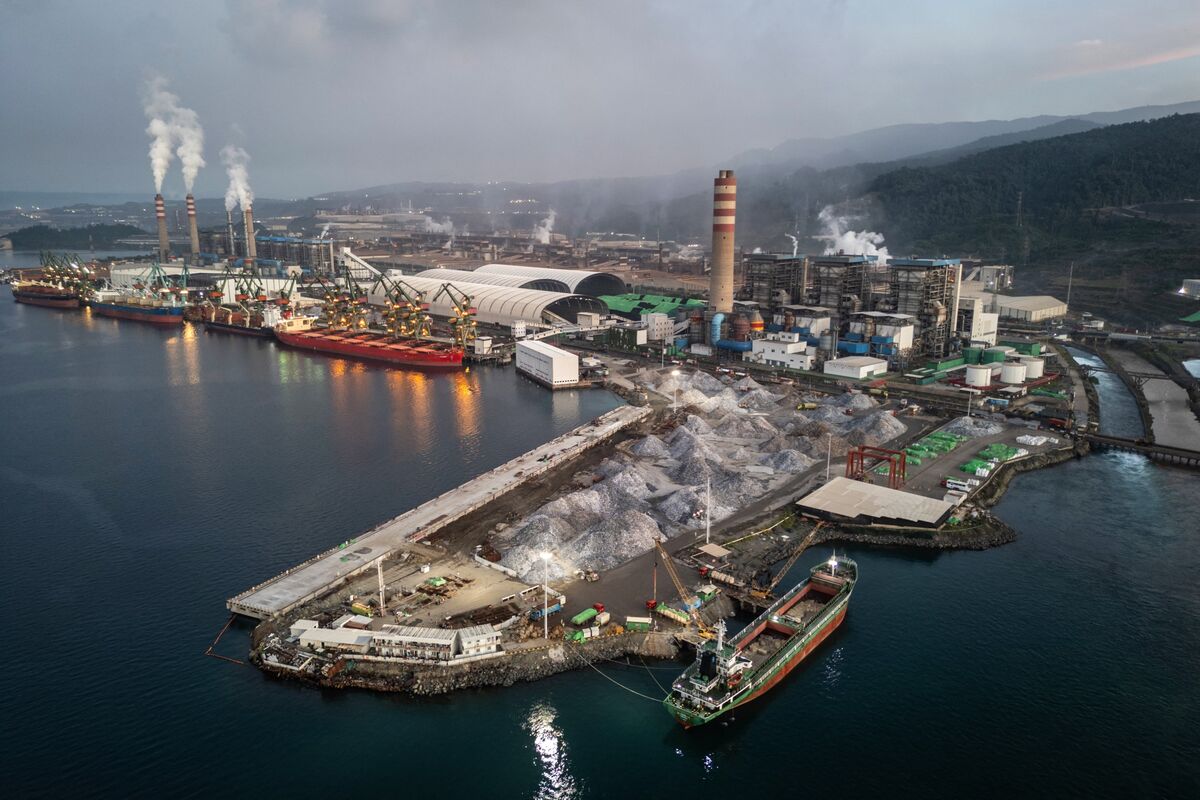
- The world’s biggest nickel mine is at the center of government plans to slash permitted output.
- Proposed reductions in 2026 are reported to be up to one-third from 2025 levels.
- One report mentions a 34% reduction in production from this year’s realization to around 250 million tonnes next year, though exact baselines (2025 vs 2024) are not confirmed.
- The policy move is framed as a measure to maintain price stability and influence market supply.
- Industry and market observers are considering potential shifts in supply to other jurisdictions if Indonesia tightens output.
What’s Still Unclear
- Whether the 34% figure refers to 2026 vs 2025 or 2026 vs 2024 specifically.
- Whether the 250 million tonnes figure is an annual production capacity or the expected output for 2026.
- Exact start date of the production limits and which mines are affected beyond the world’s largest nickel mine.
- Which regulatory body or policy instrument would formally enforce the reductions (quotas, licenses, or regulations).
- Any government-sourced official announcements or detailed timelines beyond media reports.
Context
Nickel is a key material for stainless steel and batteries, making Indonesia a major influencer of global nickel supply. National policy actions on mining output can impact prices, supplier reliability, and investment decisions in the sector. The country has historically used production controls to manage market balance and price expectations.
Why It Matters
Significant output cuts from Indonesia could affect global nickel pricing, supply availability for battery and steel producers, and the economics of mining projects in the region. Buyers and investors may reassess sourcing strategies and ESG risk considerations in light of tightened supply.
What to Watch Next
- Official government statements or regulatory documents detailing the scope and enforcement of the output limits.
- Updates from major nickel producers and downstream users about market impact and price movements.
- Any revisions to the projected 2026 production figures or timelines as policy discussions progress.
- Analysis on how alternative nickel-producing regions respond to potential supply shifts.
FAQ
Q: What is driving Indonesia to limit nickel output?
A: Reports indicate a goal to maintain price stability and influence market supply, though exact policy rationale is not fully specified in available information.
Q: How much output could be cut in 2026?
A: Reports suggest up to a one-third reduction from 2025 levels, with mentions of a 34% cut to around 250 million tonnes next year; exact baselines are not definitively confirmed in the available information.
Related coverage
- Soft Left Prime Minister Chancellor Factors: Trade-Off to
- Australian authorities charge two Chinese nationals over
- Portugal’s home affairs minister resignation: minister
Source Transparency
- This article is based on a short preliminary brief and may not reflect the full details available in ongoing reporting.
- Source links are provided in the Sources section where available.
- A limited open-web check was used to clarify key details when possible; unclear items remain clearly marked.
Original brief: The world’s biggest nickel mine is set to have its permitted output slashed by the Indonesian government…
Sources
- Nickel Supply Shock: Indonesia's 120M Ton Cut and Its Ripple on Carbon …
- Indonesia navigates nickel market with output cuts, policy shifts
- Indonesia nickel output cuts: price, supply and project impacts for …
- Nickel Prices Jump After Top Producer Indonesia Signals 2026 Output Cut
- Indonesia to cut nickel production in 2026 to maintain price stability