
Published 2026-02-11

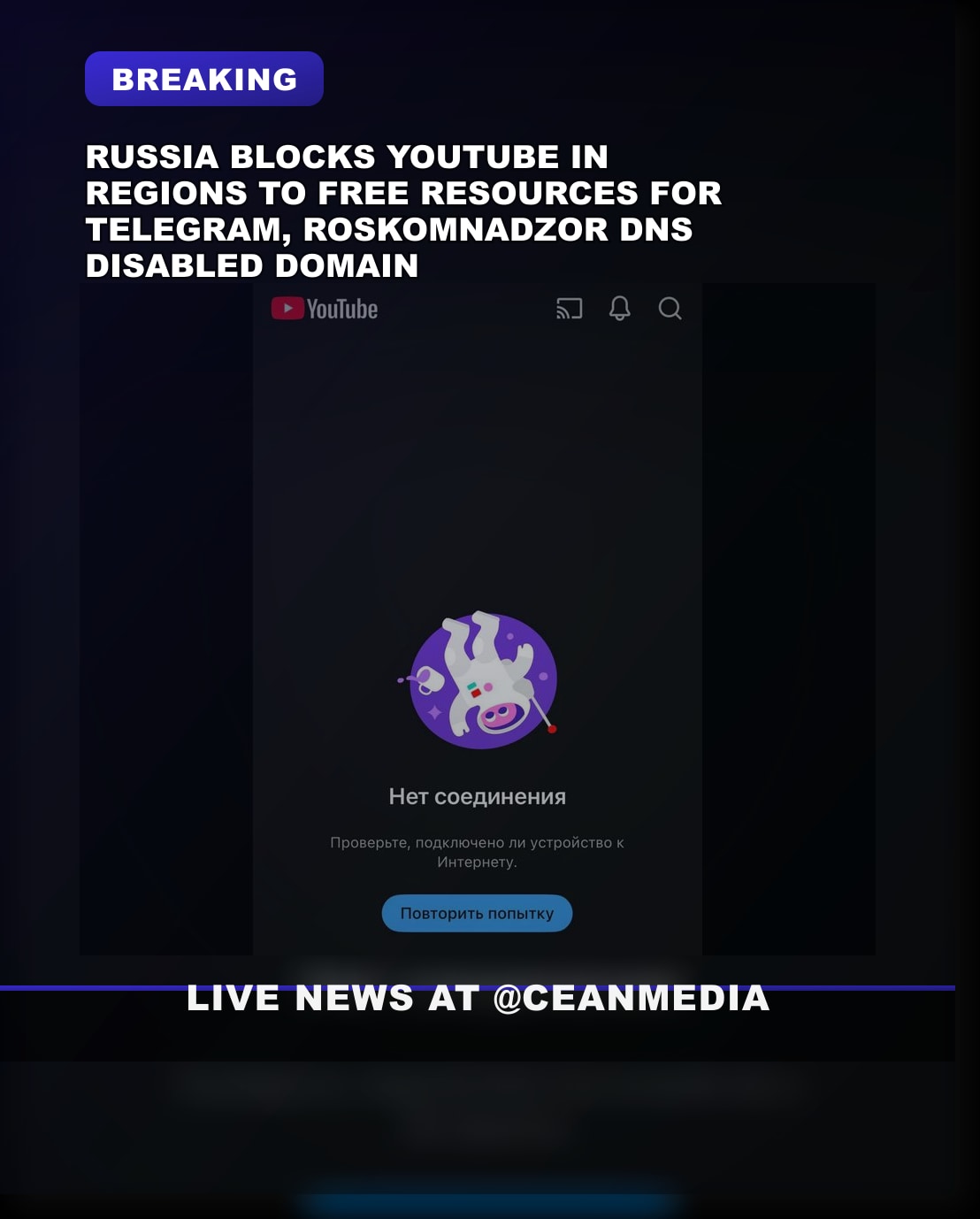
Summary: Reports indicate Russia has tightened controls over YouTube by removing related domains from Roskomnadzor’s DNS system, following prior steps that restricted access to the service. Some outlets describe further restrictions linked to freeing resources for Telegram-related controls.
What We Know
- Blocking or severe restriction of YouTube in Russia has been reported, with references to DNS-domain removals by Roskomnadzor.
- Reports link the move to broader pressure on Google over compliance with Russian legislation and prior actions such as blocking pro-state channels.
- Media coverage suggests the action followed other measures affecting online messaging services, notably Telegram.
- There is mention of the blocking occurring in the context of resource allocation or restrictions intended to manage messaging platforms.
- Sources vary in describing the extent (full block vs. continued throttling) and the precise technical mechanism (DNS domain removals vs. other throttling methods).
What’s Still Unclear
- Whether the YouTube restrictions are ongoing in all regions or limited to specific areas within Russia.
- The exact scope and duration of the DNS removals and whether alternate routes or mirrors remain accessible.
- Whether the move constitutes a permanent policy shift or a temporary measure tied to broader regulatory actions.
- Specific timelines for when the DNS changes took effect are not consistently documented across sources.
Context
Russia has a history of regulating access to major foreign online platforms as part of broader internet governance and compliance with domestic laws. Actions against messaging apps and video platforms have occurred in the past, with the authorities citing national security and information control concerns. The current reports touch on a pattern of tightening controls over digital services and traffic routing.
Why It Matters
If confirmed, these moves illustrate how national regulators can leverage DNS-level controls and other technical measures to influence access to major global platforms. The developments could affect information flow, digital advertising, and user experience for residents and visitors relying on these services in Russia.
What to Watch Next
- Official statements or confirmations from Roskomnadzor or the Russian government regarding YouTube access and DNS configurations.
- Updates from Google or YouTube about platform accessibility and any workarounds or policy changes.
- Reports detailing whether other major platforms face similar DNS-level restrictions.
- Technical analyses of how DNS-level domain removals impact service availability and user experience.
FAQ
Q: Is YouTube completely blocked in Russia?
A: Available reports describe DNS-domain removals and heightened restrictions, but a definitive, nationwide “full block” status is not consistently clarified across sources.
Q: What is the role of Telegram in this context?
A: Reports suggest that actions to limit Telegram were part of broader resource and control measures, with YouTube restrictions potentially intended to free up technical capacity for Telegram-related controls.
Related coverage
- Alibaba Unveils AI Model for Real-World Tasks in Robots and
- AI stock surge recommendation sparks HK AI IPO rally
- Hyundai’s robotics unit Atlas dexterity video shows
Source Transparency
- This article is based on a short preliminary brief and may not reflect the full details available in ongoing reporting.
- Source links are provided in the Sources section where available.
- A limited open-web check was used to clarify key details when possible; unclear items remain clearly marked.
Original brief: Russia begins blocking YouTube
YouTube has been fully disabled in several Russian regions to free up technical resources for limiting messenger Telegram.
According to Russian media, the YouTube domain was removed from Roskomnadzor’s DNS system, the country’s internet censorship…
Sources
- Blocking of YouTube in Russia – Wikipedia
- Telegram faces further restrictions, possible fines as Russian …
- Media: Russia fully blocks YouTube access – Caliber.Az
- Russia to Hit WhatsApp, Telegram, YouTube With Internet Blackouts
- The End of a Golden Era: How Russia's YouTube Block Will Impact Society …