
Published 2026-02-14
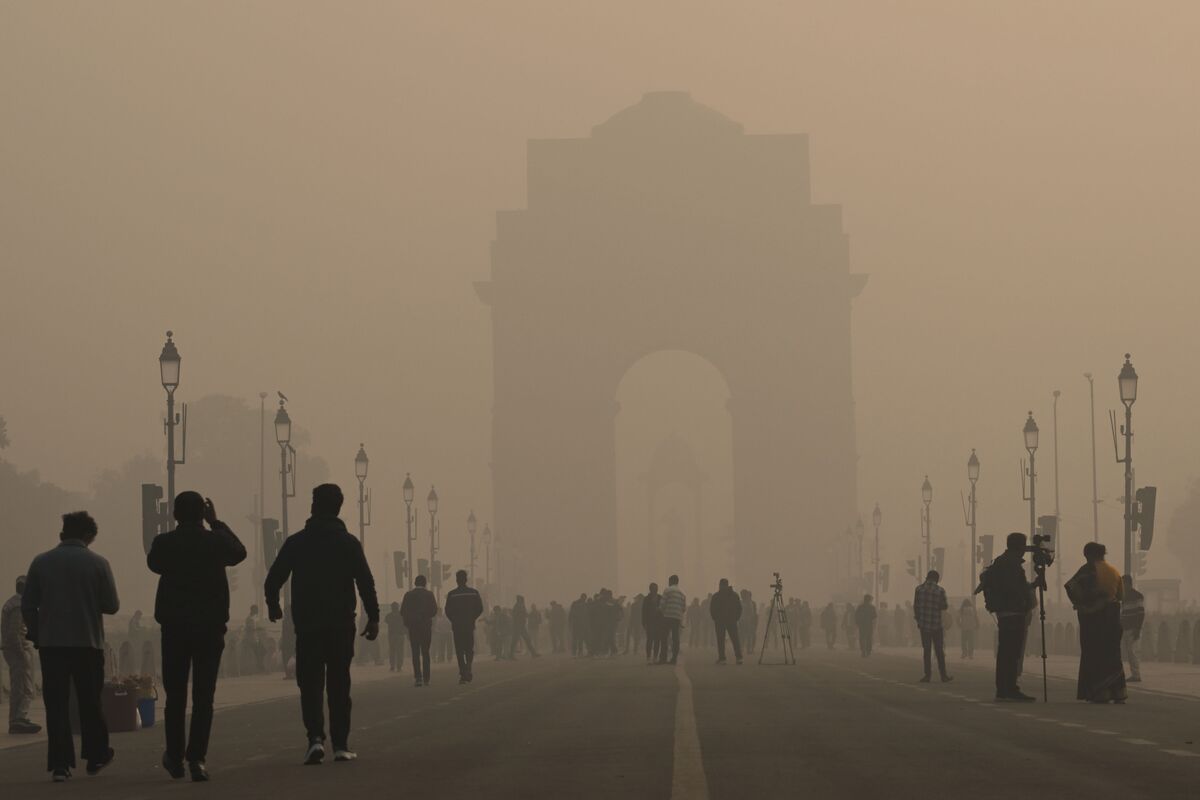
Summary: Winter smog in New Delhi continues to provoke public anger as local emissions from traffic, industry, waste burning, and construction are increasingly cited as primary drivers, with hospitals and air travel affected and calls for structural reforms beyond reactive measures.
What We Know
- Public health and transportation sectors report Delhi winter smog affecting hospitals and flights.
- Recent reporting indicates Delhi-NCR winter smog is increasingly driven by local emissions from traffic, industry, waste burning, and construction rather than farm fires.
- Policy discussions critique GRAP and call for structural, year-round reforms to address the crisis.
What’s Still Unclear
- Exact dates and duration of the current smog spell within the winter season.
- Quantitative data on how much local emissions exceed farm-fire contributions in the current season.
- Specific policy measures proposed beyond general criticism of GRAP and calls for structural reforms.
- Details on which sectors have been most impacted by hospital admissions and flight disruptions.
Context
Delhi’s winter air quality has long been a policy and public health concern, with debates over the effectiveness of emergency measures and the root causes of pollution. Recent discourse emphasizes a shift from episodic, seasonal management to structural, year-round reforms addressing traffic, industry, waste practices, and construction emissions.
Why It Matters
Persistent smog affects health, mobility, and economic activity, raising questions about governance, policy design, and the ability to implement comprehensive reforms that reduce exposure for residents across the Delhi metropolitan region.
What to Watch Next
- Any updates on the performance and status of air quality management measures in Delhi.
- New policy proposals or reforms aimed at addressing local emission sources beyond GRAP.
- Reports on hospital capacity, flight operations, and other public services during smog events.
- Public response and political developments related to pollution governance in the Delhi-NCR region.
FAQ
Q: What is driving the current Delhi smog crisis?
A: Reports point to local emissions from traffic, industry, waste burning, and construction as increasingly dominant, with less emphasis on farm-fire contributions, though exact measurements are not provided here.
Q: What policy measures are being proposed?
A: Analysts call for structural, year-round reforms and critique the adequacy of the GRAP framework; specific policy proposals are not detailed in the available information.
Related coverage
- SBI rally clean energy Eicher motors: India Markets Daily
- India’s renewable energy stocks rally as Trump trade deal
- Transaction tax hike unease: domestic equities rally as
Source Transparency
- This article is based on a short preliminary brief and may not reflect the full details available in ongoing reporting.
- Source links are provided in the Sources section where available.
- A limited open-web check was used to clarify key details when possible; unclear items remain clearly marked.
Original brief: As New Delhi endures another winter of deadly smog, public anger is growing over a pollution crisis India’s government has failed to resolve….
Sources
- Delhi, India: Lethal smog is back in the world's most polluted … – CNN
- Delhi Air Pollution: Public Health Emergency, Political Denial
- From Delhi's winter smog to year-round NOx: Transport policy must …
- Why smog grips Delhi in winter: The science of it and survival …
- Delhi-NCR Air Crisis: Local Emissions Overtake Farm Fires as Winter …