
Published 2026-02-17

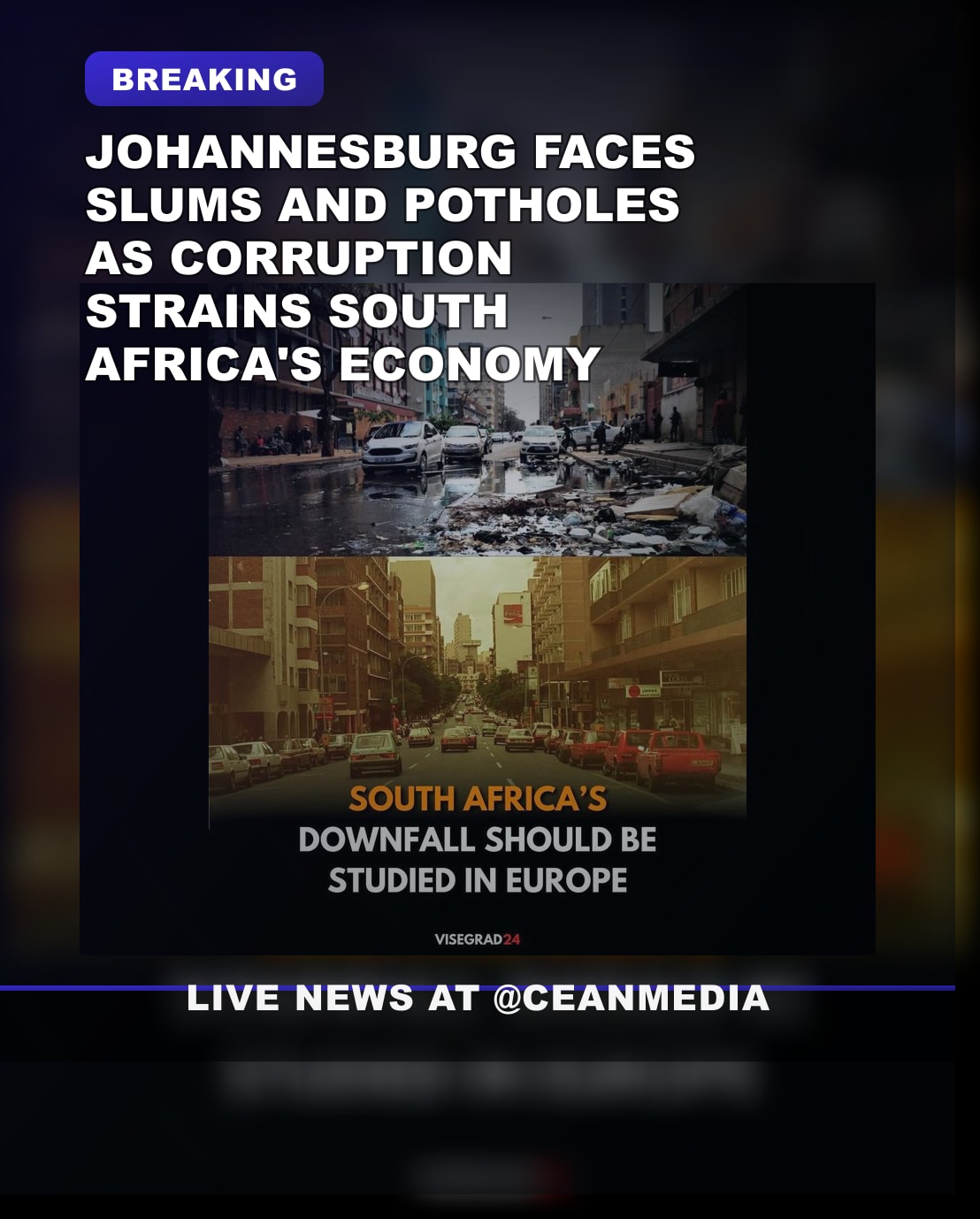
Summary: Johannesburg, once Africa’s economic powerhouse, is described in several sources as facing a deepening crisis marked by deteriorating infrastructure, stagnation in the property market, and governance challenges. Reports point to load-shedding, unstable coalitions, and aging roads, electricity, and water systems contributing to urban decay.
What We Know
- Johannesburg has historically been described as Africa’s economic powerhouse.
- Current reporting describes stagnation in the residential property market at levels compared to 2010.
- There are accounts of collapsing or deteriorating road, electricity, and water infrastructure.
- Governance issues and unstable coalitions are mentioned in relation to the city’s decline.
- Load-shedding and power outages are impacting businesses and daily life.
What’s Still Unclear
- Exact current economic metrics (GDP, unemployment figures) are not provided in the available sources.
- Precise timelines for when the decline began or accelerated are not established across sources.
- Specific policy proposals or official response plans are not detailed in the cited material.
Context
Johannesburg, South Africa’s largest city by population and a central economic hub historically, faces a combination of aging infrastructure, governance challenges, and socio-economic shifts that have been widely discussed in regional coverage. The topic touches on broader themes of urban decay, service delivery, and governance in fast-growing African cities.
Why It Matters
The condition of Johannesburg’s infrastructure and governance has implications for regional economy, investment confidence, and daily life for residents. Urban decay in a major city can influence national perceptions and planning for urban resilience in Africa.
What to Watch Next
- Updates on infrastructure maintenance and reliability, including power and water services in Johannesburg.
- New governance developments or coalition changes in the city council.
- Any publishing of official economic indicators or policy responses addressing urban decay.
- Reports on the residential property market and urban planning initiatives in the city.
FAQ
Q: What is driving the described decline in Johannesburg?
A: Reported factors include aging infrastructure, governance challenges, and outages affecting daily life and business, as described in the sources.
Q: Are there numbers confirming the decline?
A: Specific quantitative figures are not provided in the available information; only qualitative descriptions are cited.
Related coverage
- Russia church influence Africa: Growth tied to state
- Sudanese Armed Forces equipment lends: Islamist-officer
- US military personnel Nigeria cooperation violence worsens
Source Transparency
- This article is based on a short preliminary brief and may not reflect the full details available in ongoing reporting.
- Source links are provided in the Sources section where available.
- A limited open-web check was used to clarify key details when possible; unclear items remain clearly marked.
Original brief: Once the economic hub of Africa, Johannesburg, like many places in South Africa, is now home to slums, broken-down buildings, roads full of potholes, and rubbish.
There was no war nor violent regime change in South Africa, simply three decades of a corrupt, socialist government…
Sources
- Inside Johannesburg's urban crisis: from economic hub to city … – IOL
- South Africa's most important city collapsing in front of everyone's …
- The decline of Johannesburg: Why Africa's richest city is crumbling
- Johannesburg's problems can be solved – but it's a long journey to fix …
- South Africa's richest city crumbling in front of everyone's eyes