
Published 2026-02-17
Summary: A UK High Court ruling found that banning Palestine Action as a terrorist organization was unlawful, creating a political and legal setback for the government. Opinion pieces argue the government should admit wrongdoing. The ban remains in effect for now as legal avenues continue.
What We Know
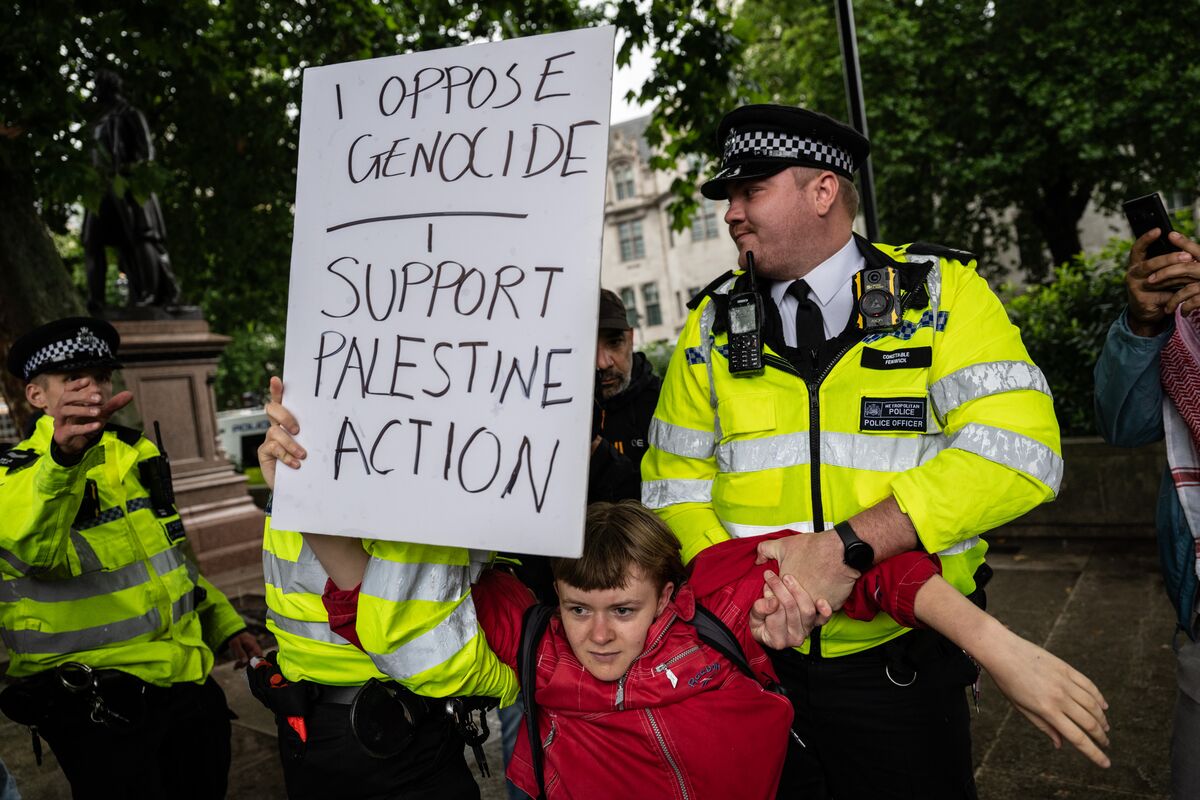
- The UK High Court ruled that the government’s decision to proscribe Palestine Action as a terrorist organization was unlawful.
- The ruling concerns the government’s use of anti-terrorism laws to proscribe the group.
- The ban remains in place for now to allow for further legal avenues or appeals.
- Reports describe the decision as a significant blow to ministers and a potential constraint on terrorism-designation powers.
- Coverage notes that the government intends to appeal the ruling in some outlets.
What’s Still Unclear
- Whether the High Court ruling applies to all aspects of proscription and related ban provisions across contexts.
- Specifics on whether the government will drop or modify the ban pending appeals, or whether the ban will remain while appeals proceed.
- How the ruling may influence future counter-terrorism designations and legal challenges to similar bans.
- Funding, timing, or procedural steps for potential appeals were not confirmed in available information.
Context
Palestine Action is a protest group related to the Palestinian cause that has faced government actions under anti-terrorism laws in the UK. High Court scrutiny of government use of proscription powers has become a focal point in debates over civil liberties, security policy, and how far anti-terror laws should extend to activist groups. This development sits within ongoing discussions about national security policy and freedom of expression in the UK.
Why It Matters
The ruling prompts questions about the balance between national security measures and civil liberties. If authorities overstep legal bounds in banning groups, courts can reverse or limit such designations, potentially reshaping how activist groups operate and how the government deploys anti-terrorism powers.
What to Watch Next
- Whether the government proceeds with an appeal and the outcome of any further court proceedings.
- How the ban status evolves as legal processes unfold, including any modifications or removals of the designation.
- Broader legal challenges to anti-terrorism proscription powers and subsequent judicial rulings.
- Public and political responses to the ruling and any related parliamentary or policy discussions.
FAQ
Q: What did the High Court rule about the Palestine Action ban?
A: The High Court ruled that the decision to ban Palestine Action as a terrorist organization was unlawful, citing issues with the use of anti-terrorism laws.
Q: Is the ban completely lifted now?
A: No. The ban remains in place for now to allow for further legal avenues, including potential appeals.
Related coverage
- UK economy hurting Labour as stalls deepen Starmer woes
- Rubio Signals U.S. Readiness to Act Alone, Emphasizing
- Lagarde: investment incentives over taxation curb Europe
Source Transparency
- This article is based on a short preliminary brief and may not reflect the full details available in ongoing reporting.
- Source links are provided in the Sources section where available.
- A limited open-web check was used to clarify key details when possible; unclear items remain clearly marked.
Original brief: The UK government should concede that it was wrong to ban the Palestine Action protest group as a terrorist organization, writes Matthew Brooker (via @opinion)
Sources
- UK Ban on Palestine Action Is Unlawful, Court Finds – The New York Times
- UK Palestine Action ban ruled unlawful, in humiliating blow for …
- UK High Court rules Palestine Action terror ban is unlawful, marking …
- Palestine Action ban ruled unlawful but group remains proscribed … – BBC
- UK decision to ban Palestine Action unlawful, court rules