
Published 2026-02-27

Summary: Pakistan says it conducted airstrikes on Kabul in retaliation for what it calls unprovoked aggression, releasing video footage of the strikes. The Taliban have threatened retaliation, with reports of potential attacks on Pakistani cities. Clashes between Pakistani and Afghan forces have followed these developments.
What We Know
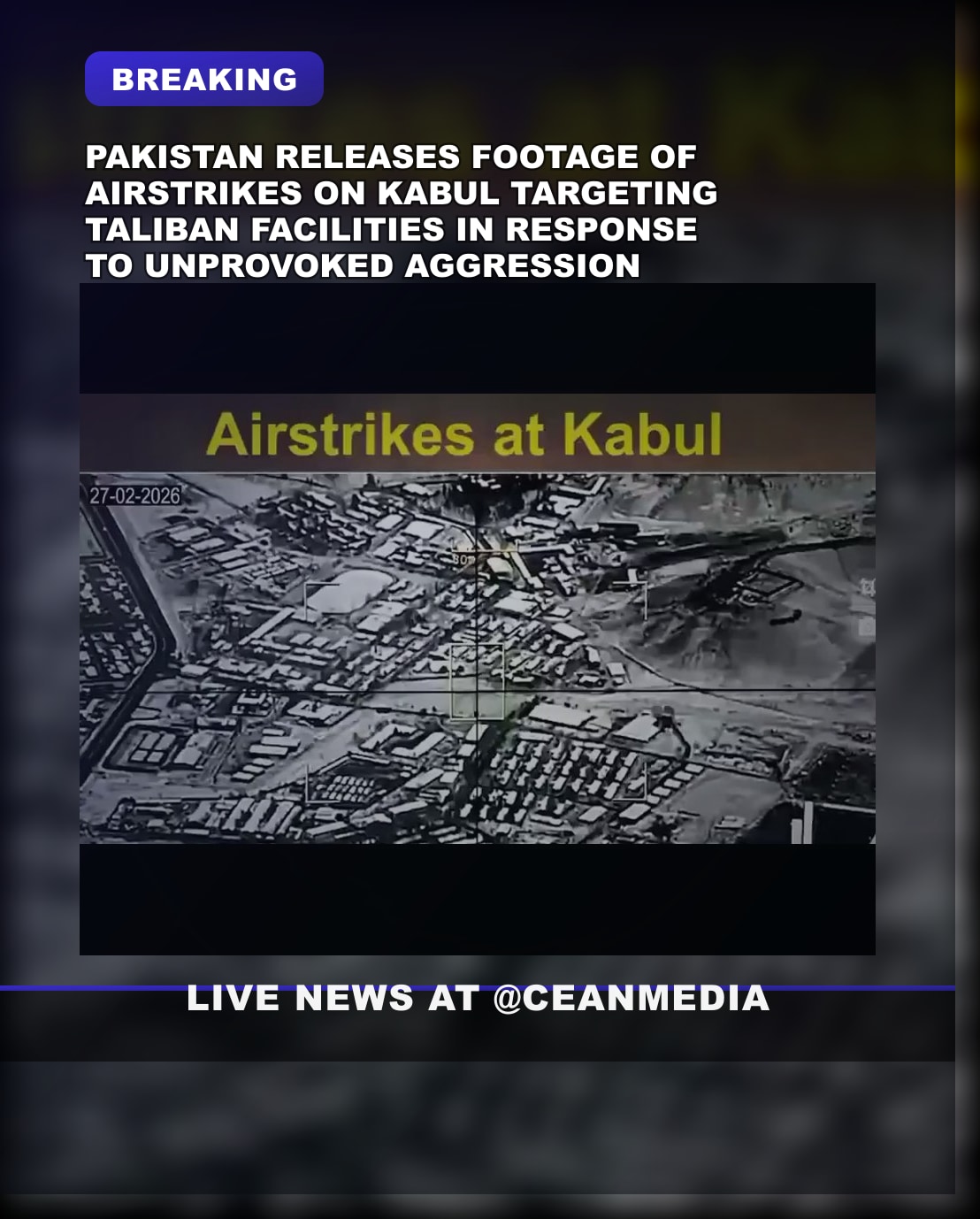
- Pakistan released video footage claiming it conducted airstrikes on Kabul in response to what it described as unprovoked aggression.
- The Taliban reportedly threatened to retaliate for the strikes by bombing Pakistani cities.
- There have been clashes between Pakistani and Afghan border forces after retaliatory strikes by the Taliban on Pakistani posts.
- Reports indicate explosions and aircraft sounds in Kabul in the context of cross-border hostilities and retaliatory actions.
- Media coverage notes that Pakistan’s airstrikes in Afghanistan, including Kabul, prompted retaliatory actions from Afghan authorities or allied groups.
What’s Still Unclear
- Exact sequence and timing of airstrikes versus retaliatory attacks across the border.
- Specific locations and targets within Afghanistan beyond Kabul, and the scale of any casualties.
- Whether the Kabul retaliation threats are coming from the Taliban leadership, Afghan authorities, or other actors, and the current status of those threats.
- Official confirmation from Afghan authorities on retaliatory actions and on-the-ground consequences.
Context
In border-region conflicts, cross-border airstrikes and retaliatory attacks can escalate tensions between neighbors. The situation involves Pakistan’s actions against Afghan targets and subsequent threats of retaliation from Taliban-affiliated or allied groups, contributing to a volatile security dynamic in the region.
Why It Matters
The exchange of strikes and retaliatory threats raises concerns about civilian harm, border security, and regional stability. It also affects humanitarian conditions, refugee flows, and international diplomatic engagement aimed at de-escalation.
What to Watch Next
- Any official statements from Pakistani or Afghan authorities clarifying objectives and targets.
- New developments on casualty figures or damages resulting from the strikes or retaliatory actions.
- Updates on air raid detections, border post clashes, or civilian impact along the border.
- Diplomatic or regional responses aimed at de-escalation or mediation.
FAQ
Q: What prompted Pakistan to conduct airstrikes in Kabul?
A: Pakistan described the strikes as retaliation for what it called unprovoked aggression, citing cross-border hostilities. Specific triggers beyond that description are not confirmed in the available information.
Q: Are the retaliation threats from the Taliban confirmed?
A: Reports indicate threats of retaliation by the Taliban, but details on who issued them and their current status are not fully confirmed in the available materials.
Related coverage
- Pakistani airstrikes Afghan Taliban leader linked target
- Crime comparison regional Poland France: Surge Nearly
- Crime rates comparison: France vs. Poland — crime rates
Source Transparency
- This article is based on a short preliminary brief and may not reflect the full details available in ongoing reporting.
- Source links are provided in the Sources section where available.
- A limited open-web check was used to clarify key details when possible; unclear items remain clearly marked.
Original brief: Pakistan has released video footage of airstrikes on Kabul, saying they targeted Taliban facilities in response to what it called “unprovoked aggression.”
Meanwhile, the Taliban have threatened to retaliate for the strikes on Kabul by bombing Pakistani cities….
Sources
- Explosions rock Kabul after Afghanistan's attack on Pakistan | AP News
- The aftermath of Pakistan's air strikes in Afghanistan
- Pakistan, Afghan forces clash after days of hostilities – Reuters
- Pakistan launches airstrikes against Afghan-based 'militants … – CNN
- Taliban vows retaliation over Pakistan strikes that 'killed children'