
Published 2026-03-01

Summary: Interceptions over Doha occurred as Iran reportedly launched missiles, with Qatar stating its air defences intercepted multiple waves and condemning the attacks as a violation of sovereignty. The situation has led Qatar to reserve the right to respond.
What We Know
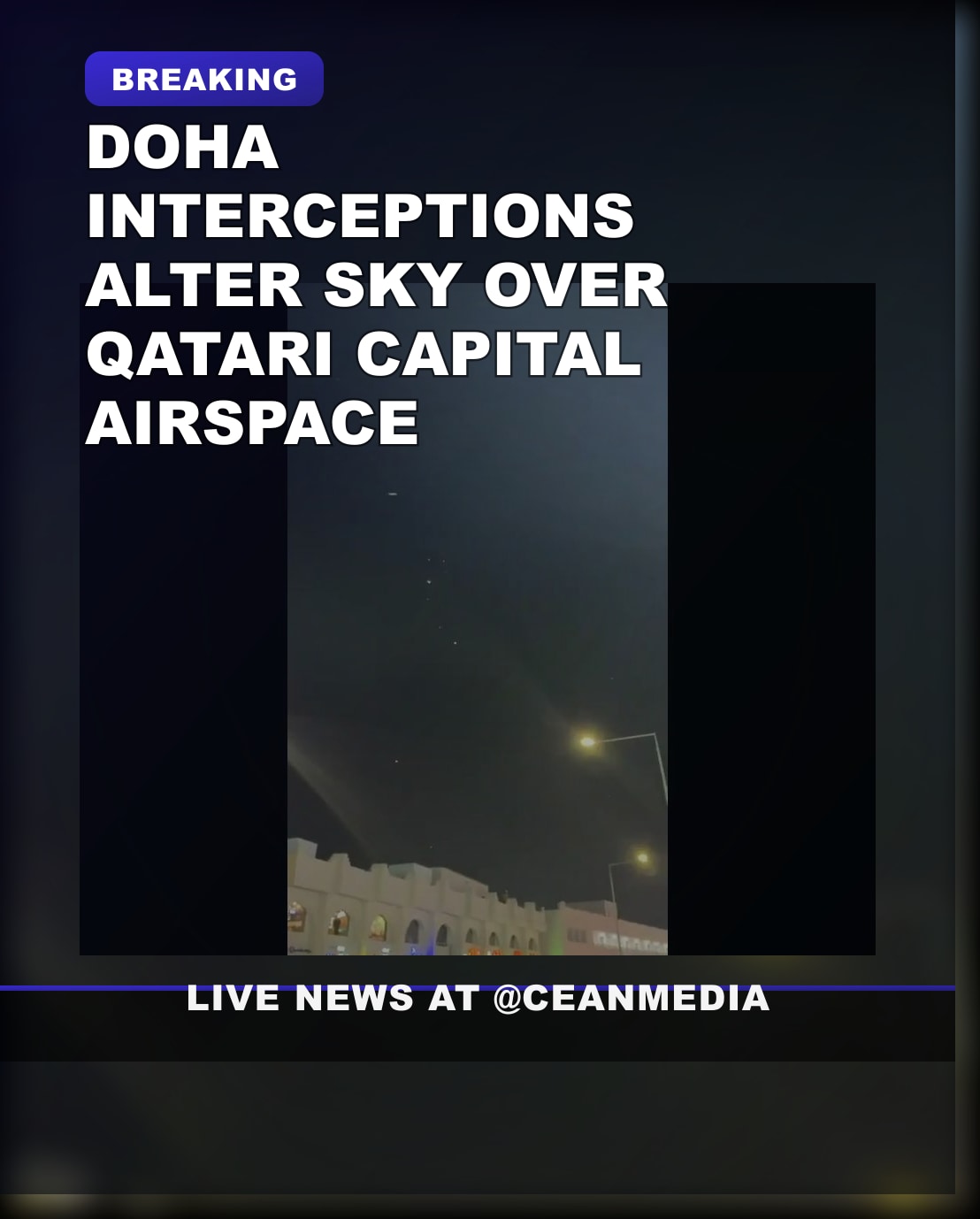
- Air defences reportedly intercepted multiple waves over Doha during Iranian missile attacks on Qatar, according to available summaries.
- Qatar condemned the Iranian missile attacks as a violation of sovereignty and stated it would reserve the right to respond.
- The incidents occurred in a context of broader regional tensions and highlighted the role of air defenses in safeguarding key Qatari airspace and territory.
- Public circulation of air-defense footage related to the events has been reported in media coverage.
- There is currently no independently verified information available here about confirmed missile impacts within Doha or the duration of any airspace restrictions.
What’s Still Unclear
- Exact dates and times of the interceptions.
- Whether any missiles actually impacted or caused damage in Doha, or outcomes of any engagements beyond interceptions.
- Specifics on airspace closure duration, flight disruptions, or airline diversions beyond a Qatar Airways case mentioned in reporting.
- Independent verification of interception footage or confirmation from defense authorities about the systems involved (PAC-3 or others).
Context
General background: The Gulf region has long been a focal point of security tensions and interstate confrontations, with air defense and sovereignty concerns repeatedly highlighted during regional flare-ups. In such contexts, states often emphasize defending territorial airspace while signaling responses to violations.
Why It Matters
Events like these underscore the fragility of airspace security in the region and the potential for rapid escalations in tensions between states. They also illustrate how national defense postures and formal diplomatic statements intersect with civilian aviation operations and regional stability.
What to Watch Next
- Any official statements from Qatar or other regional actors clarifying the nature of the attacks and any planned responses.
- Updates on the status of air defenses, intercept guidance, and potential changes to airspace advisories.
- Independent verifications or investigations into the reported interceptions and their consequences for aviation and security in the region.
- Further coverage on how Gulf states coordinate or diverge on defense and diplomatic responses to missile incidents.
FAQ
Q: Were missiles confirmed to have impacted Doha?
A: Information available here does not confirm impacts; reports mention interceptions and defense actions.
Q: What is the current status of air travel in Doha?
A: Available details do not specify broader flight disruptions beyond references to footage and general interception events.
Related coverage
- Tehran Celebrates Khamenei’s Death rumors spark jubilation
- Israel says initial strike killed key security leaders,
- Khamenei death claim confirmation: U.S. confirms strike on
Source Transparency
- This article is based on a short preliminary brief and may not reflect the full details available in ongoing reporting.
- Source links are provided in the Sources section where available.
- A limited open-web check was used to clarify key details when possible; unclear items remain clearly marked.
Original brief: Interceptions in the skies of the Qatari capital, Doha….
Sources
- Qatar reserves right to respond as third wave of Iranian missiles …
- Watch: Air defense footage from Qatar's capital goes viral after Iran …
- Six Iranian Missiles, Zero Impact: How PAC-3 Defended US Air Base In Qatar
- Explosions heard after Iran launches missile strike on US base in Qatar
- Qatar used layers of US weapons to counter Iranian missiles