
Published 2026-03-03
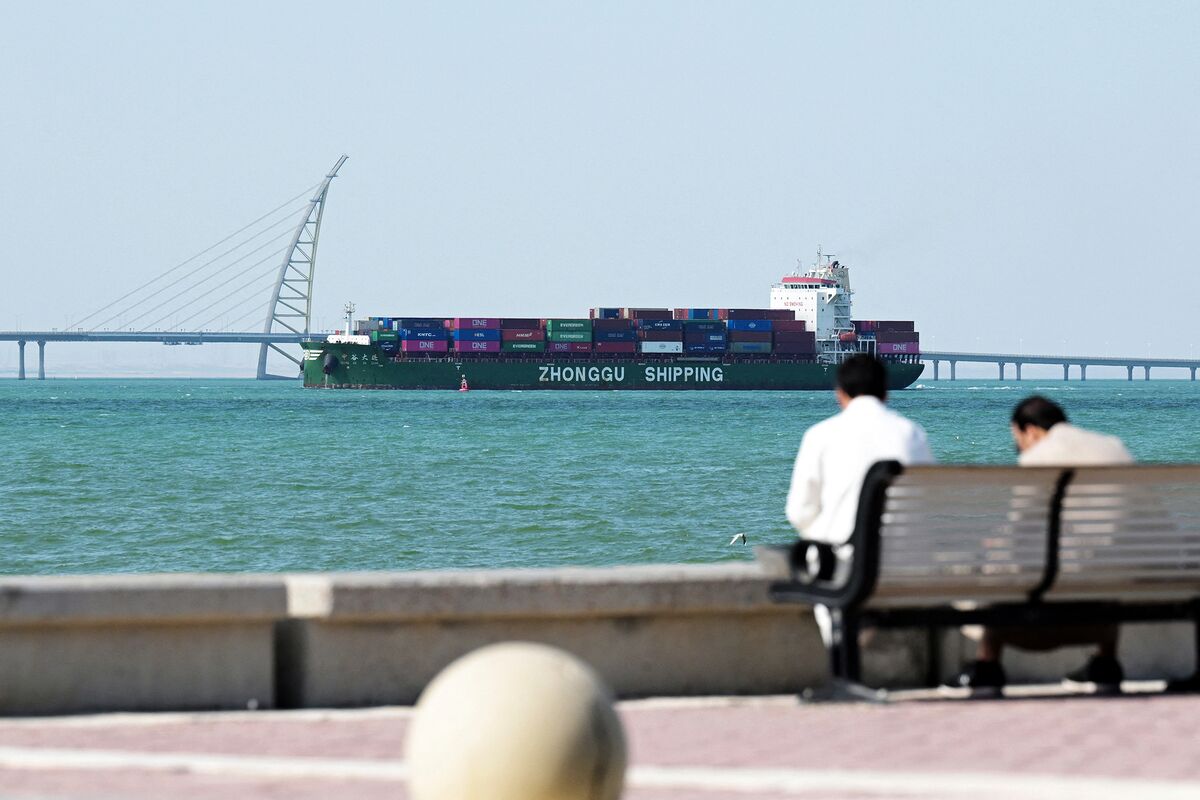
Summary: Global container shipping schedules are being revisited amid rising military tensions in the Middle East, with reports of disruption to key maritime chokepoints such as the Strait of Hormuz and the Red Sea as US and Israeli actions against Iran intensify.
What We Know
- The world’s largest container shipping companies are revising sailing schedules in response to war-related threats in the Persian Gulf.
- Military strikes against Iran began on 28 February, contributing to concerns over ongoing disruptions.
- Disruption is reported to affect the Strait of Hormuz and the Red Sea, creating dual chokepoints for container shipping.
- Analysts and trade coverage describe the situation as unprecedented for modern container shipping due to simultaneous chokepoint pressures.
- Media coverage notes the potential for broader implications on global trade via key maritime corridors.
What’s Still Unclear
- Exact duration of the disruptions and how long sailing schedules will remain affected.
- Specific routes, vessel bookings, or carrier-level impacts beyond general attention to Hormuz and the Red Sea.
- Whether congestion or suspension of services is limited to Middle East bookings or has broader global effects.
Context
Increased tensions in the Middle East, especially involving Iran and regional rivals, can affect major sea lanes that goods rely on for international trade. The Strait of Hormuz and the Bab el-Mandeb/Red Sea corridor are among the world’s most critical chokepoints for energy and container traffic. Global shipping and freight markets monitor these developments for potential ripple effects on schedules, volumes, and pricing.
Why It Matters
Disruptions to key maritime routes can affect container availability, scheduling reliability, and freight costs, with potential downstream impacts on supply chains across multiple industries worldwide.
What to Watch Next
- Updates from major container lines about schedule changes and voyage planning in the affected regions.
- Analysis on how long disruptions may persist and potential contingency routing around chokepoints.
- Industry commentary on implications for global trade flows and port congestion.
FAQ
Q: Are these disruptions expected to be short-term or longer-lasting?
A: Not confirmed in the available information; duration is unclear.
Q: Which routes are most affected?
A: The Strait of Hormuz and the Red Sea are highlighted as affected areas; broader route-level details are not specified.
Related coverage
- Qatar air force downed jets: First-known Iranian jets shot
- Israel Iran airstrikes escalate: New wave targets Iranian
- Video Appears to Show Rockets Fired from Lebanon Toward
Source Transparency
- This article is based on a short preliminary brief and may not reflect the full details available in ongoing reporting.
- Source links are provided in the Sources section where available.
- A limited open-web check was used to clarify key details when possible; unclear items remain clearly marked.
Original brief: The world’s biggest container shipping companies are revising their sailing schedules as the US and Israel’s war with Iran threatens to disrupt ocean freight in the Persian Gulf…
Sources
- Dual Chokepoint Crisis: Hormuz Closure and Red Sea Attacks Leave …
- Strait of Hormuz crisis explained: What it means for global shipping – CNBC
- Iran and the Strait of Hormuz Disruption: List of Vessels Affected and …
- World's largest container line halts Middle East bookings as war risk …
- Global Shipping Diverts From Suez and Hormuz as Gulf Conflict Escalates …