
Published 2026-03-04

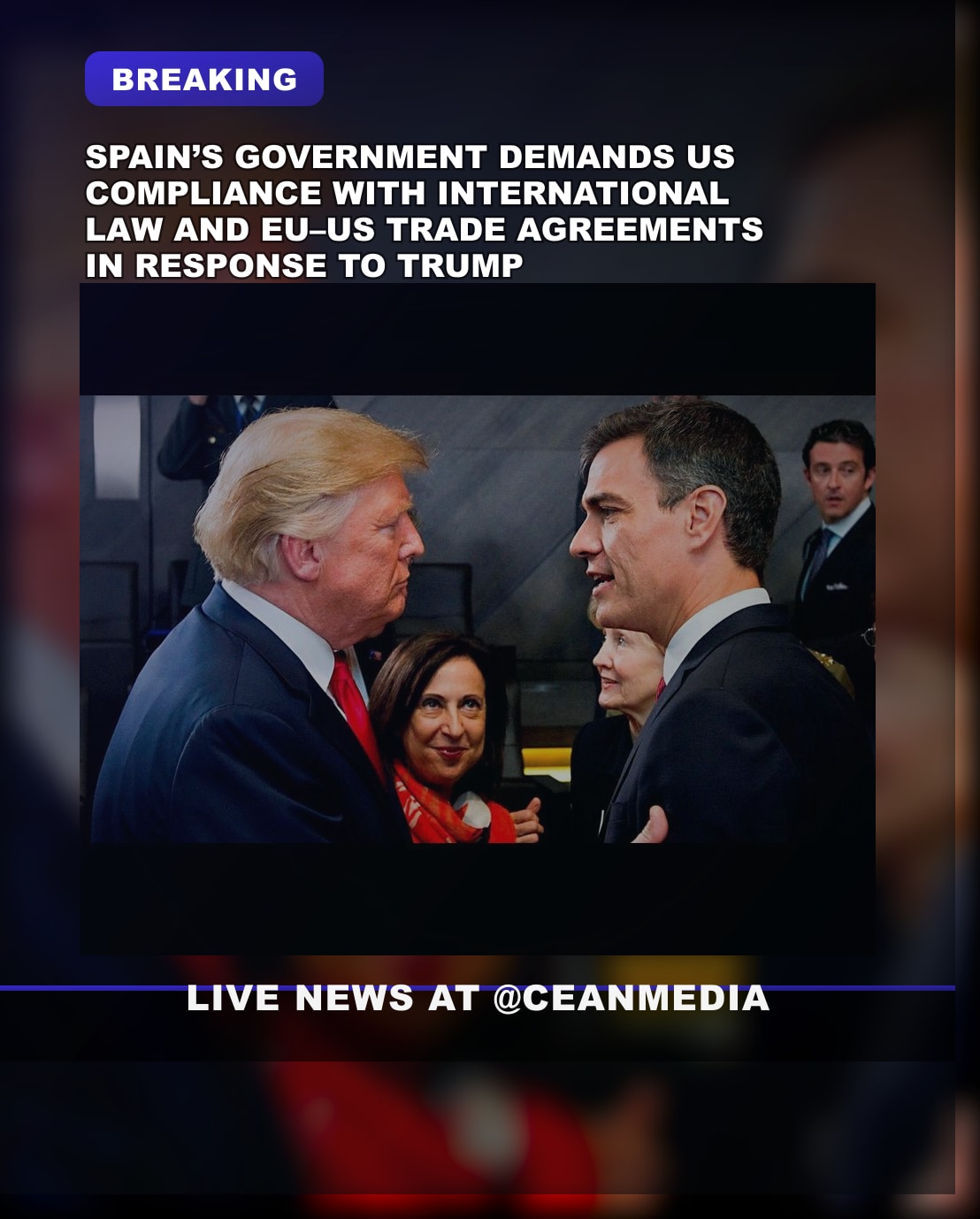
Summary: Spain’s government says the United States must respect international law and existing bilateral EU–USA trade agreements in any review of commercial relations, in response to threats by former U.S. President Donald Trump to cut trade ties with Spain. The statements frame any potential renegotiation as must adhere to international norms and existing EU–US accords.
What We Know
- Spain’s government publicly urged the United States to respect international law in trade relations.
- The government called for any revision of commercial relations to honor bilateral agreements between the European Union and the United States.
- Spanish officials referenced President Donald Trump’s threat to cut all trade with Spain in relation to this discussion.
- The discussion centers on trade between the United States and Spain and touches on references to military and air bases.
- A spokesperson for the Spanish Prime Minister’s office is quoted as saying any review must respect autonomy of private companies, international law, and EU–US bilateral agreements.
What’s Still Unclear
- Whether Spain cited specific bilateral agreements by name or scope (EU-wide versus Spain-specific) in formal instruments or démarches.
- Whether Spain has taken any formal diplomatic steps beyond public statements, or what concrete actions are contemplated beyond threats.
- The precise legal interpretation Spain assigns to “international law” in this context, and how it would apply to any potential U.S. revision of trade terms.
- The current status of the dispute beyond the public remarks and threats.
- Exact content and language of the U.S. position in response to Spain’s statements.
Context
Trade relations between the United States and European Union members involve complex layers of bilateral and multilateral agreements, with ongoing debates about how to reconcile national interests, security considerations, and international law. Spain, as an EU member, often frames trade discussions within the broader EU–US framework while also addressing its national interests.
Why It Matters
The exchange highlights how trade tensions can unfold within the EU–US relationship and how countries reference international law and existing agreements in calls for restraint. The situation could influence negotiations on tariff policies, investment rules, and the management of strategic bases or defense-related matters that intersect with trade.
What to Watch Next
- Any formal statements or démarches from the U.S. side clarifying its position on trade with Spain.
- Developments in the EU’s stance on bilateral or euro-centered trade frameworks with the United States.
- News on whether either side takes concrete steps toward renegotiation or protectionist measures.
- Further comments from Spanish officials elaborating the legal basis for their call to respect international law.
FAQ
Q: What did Spain say about U.S. trade threats?
A: Spain urged the U.S. to respect international law and EU–US bilateral trade agreements in any review of commercial relations.
Q: Is this about Spain alone or EU-wide?
A: The statements reference bilateral EU–US agreements, with focus on the EU framework, though not all details specify whether Spain cited agreements by name.
Related coverage
- Spain urged to align with EU on major international issues,
- Trump UK criticisms: Attacks on Sharia Courts, London
- British jets intercept Iranian missiles in ongoing
Source Transparency
- This article is based on a short preliminary brief and may not reflect the full details available in ongoing reporting.
- Source links are provided in the Sources section where available.
- A limited open-web check was used to clarify key details when possible; unclear items remain clearly marked.
Original brief: Spain’s government responds to Trump:
“The USA must comply with International law and bilateral EU–USA trade agreements”…
Sources
- Spain says US must respect international law, agreements after Trump …
- Spain Urges United States to Adhere to International Law Following …
- Trump threatens to cut off trade with Spain | AP News
- Trump says US will cut all trade with Spain over military bases …
- Trump threatens to cut off trade with Spain over air bases