
Published 2026-03-05

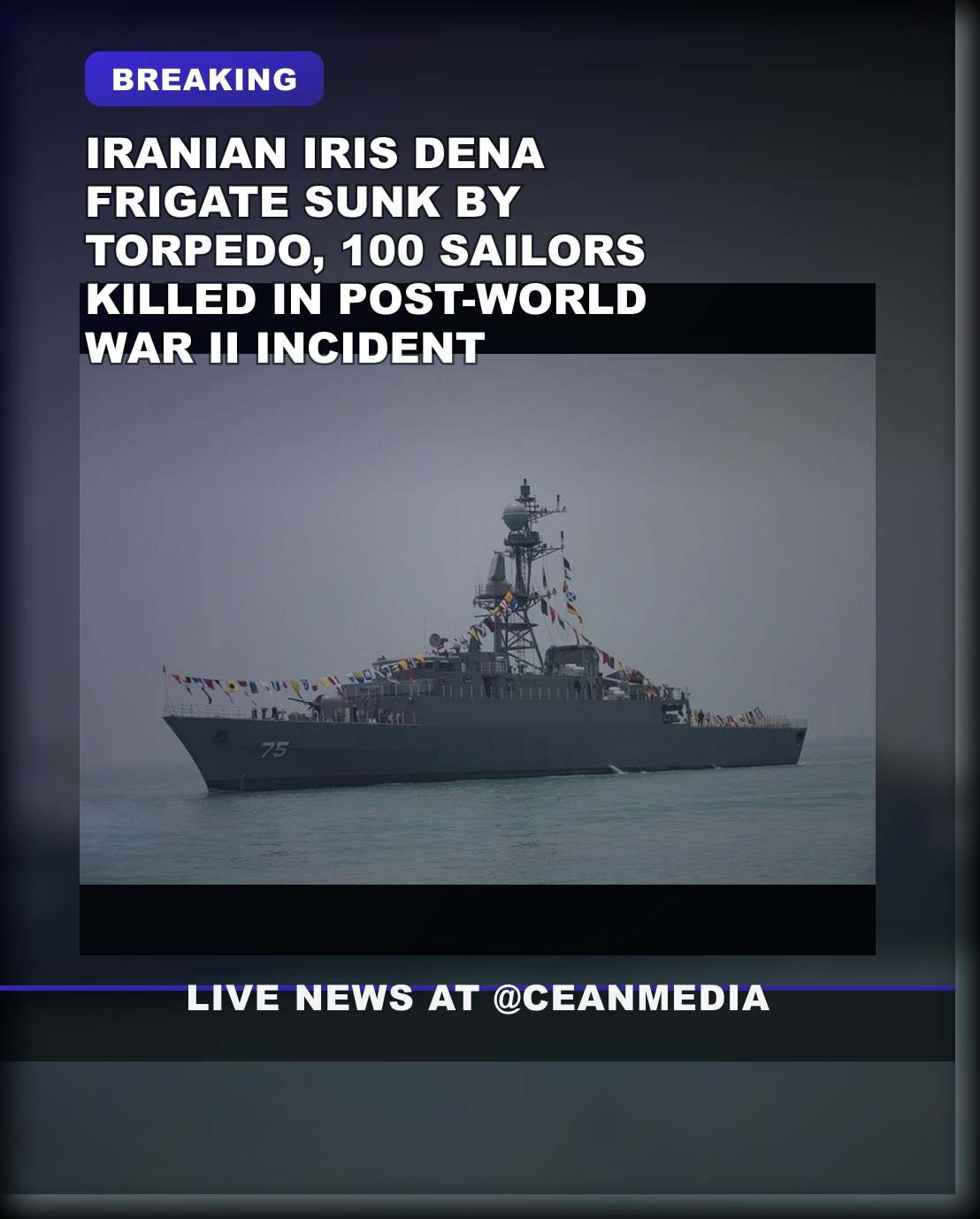
Summary: Iran’s IRIS Dena frigate was torpedoed and sunk in the Indian Ocean, according to sources citing a U.S. submarine attack. The incident is described as the first acknowledged submarine sinking of an enemy surface vessel since World War II, with reports noting casualties and a location off the coast of Sri Lanka.
What We Know
- The Iranian frigate IRIS Dena was torpedoed and sunk by an American submarine in the Indian Ocean.
- The sinking occurred on 4 March 2026.
- The attack used a Mark 48 torpedo, per U.S. Department of Defense confirmation.
- The location of the sinking is approximately 40 nautical miles south of Galle, Sri Lanka.
- Reportedly, around 100 Iranian sailors were killed.
What’s Still Unclear
- Exact vessel class confirmation beyond IRIS Dena, with some reports referring to a corvette or different classification.
- Independent corroboration from multiple national sources and official military statements beyond initial briefings.
- Details on the broader operational context or implications for regional naval balance.
- Any additional casualties or survivability reports beyond the figure cited.
Context
Historically, submarine-launched torpedoes have been a rare instrument in post-World War II naval warfare. When such actions are publicly acknowledged, they tend to prompt discussions about strategic deterrence, naval surveillance, and the risks of regional militarization. This incident, if confirmed as described, marks a notable event in modern naval history given its claimed status as the first acknowledged sinking of a surface vessel by a submarine since WWII.
Why It Matters
The event could influence naval doctrine, regional security calculations, and international maritime law interpretations regarding submarine operations and the use of torpedoes against surface ships. It may also affect tensions between involved states and their allies, as well as how the public understands naval warfare in contemporary conflicts.
What to Watch Next
- Official statements or confirmations from involved governments and defense departments clarifying details and classifications.
- Follow-up casualty figures and search-and-rescue or recovery operations updates.
- Analysis from defense think tanks on implications for naval strategy and deterrence.
- Additional reporting on the broader regional reaction and potential sanctions or diplomatic responses.
FAQ
Q: Is IRIS Dena definitely confirmed as the vessel sunk?
A: Available information describes the sinking of IRIS Dena by a U.S. submarine and attributes the attack to a Mark 48 torpedo, but independent verification from multiple sources remains limited in the provided materials.
Q: Where did the sinking occur?
A: The location is reported as approximately 40 nautical miles (74 km) south of Galle, Sri Lanka.
Related coverage
- Global Health Breakthroughs Monitors: Track Innovation
- This Is Their Plan Focus Revealed
- Iranian frigate sinking tragedy headline: 100 sailors dead
Source Transparency
- This article is based on a short preliminary brief and may not reflect the full details available in ongoing reporting.
- Source links are provided in the Sources section where available.
- A limited open-web check was used to clarify key details when possible; unclear items remain clearly marked.
Original brief: Today’s sinking of Iran’s IRIS Dena frigate is the 3rd case of a vessel by sunk by torpedo since the end of the Second World War. Around 100 Iranian sailors were killed
1971 – Indian Navy Frigate INS Khukri sunk by Pakistani sub (194 killed)
1982 – Argentine Navy Cruiser…
Sources
- Sinking of IRIS Dena – Wikipedia
- VIDEO: U.S. Attack Boat Torpedoes Iranian Frigate off Sri Lanka
- US sub sinks Iranian ship by torpedo in Indian Ocean, 1st such attack …
- US submarine sinks Iranian ship in first torpedo kill since WWII …
- Iris Dena: What to know about Iran's 'prize ship' sunk by US torpedo