
Published 2026-03-05

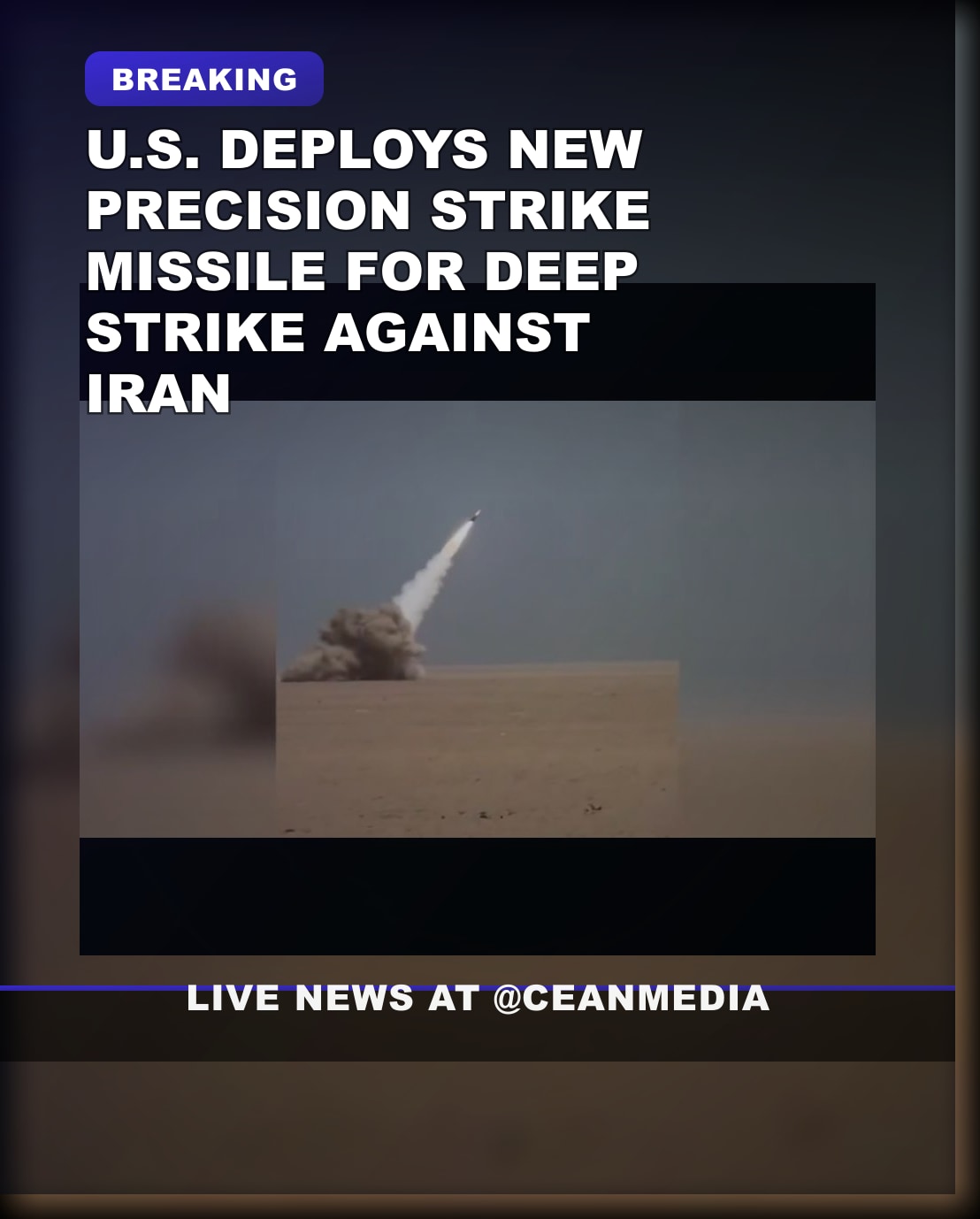
Summary: The United States has reportedly deployed its Precision Strike Missile (PrSM) in combat for the first time, with indications that the missiles were used in strikes targeting Iran. The PrSM is presented as a next-generation surface-to-surface ballistic system intended to replace older missiles and enable deep strike capabilities.
What We Know
- The U.S. reportedly deployed a 500km-range PrSM ballistic missile in its first combat strike on Iran.
- Reports state that PrSM missiles were fired in combat by the U.S. Army in strikes on Iran.
- PrSM is described as a next-generation surface-to-surface ballistic missile intended to replace the aging ATACMS family.
- The event is described by sources as the first combat use of the PrSM, signaling a significant milestone for U.S. precision-strike capabilities.
- Multiple outlets have reported on the debut of the PrSM in combat, though independent confirmation from official military sources beyond the cited outlets is not clearly provided in the available information.
What’s Still Unclear
- Exact date of the first combat strike and the number of missiles launched is not confirmed in the available information.
- Details on the specific targets, operational outcomes, and any collateral effects are not disclosed in the sources provided.
- Independent verification or official statements from U.S. military authorities beyond the cited outlets are not clearly documented here.
- Broader strategic context, such as the broader campaign status or command decisions, remains unspecified.
Context
PrSM is described as a next-generation long-range surface-to-surface ballistic missile intended to replace the aging ATACMS system. Its deployment marks a notable development in the U.S. military’s precision-strike capabilities and long-range land-attack options. Reports place its combat debut in the context of U.S. operations against Iran, though details about the operation’s scale and effectiveness remain unclear from the available information.
Why It Matters
Debuting PrSM in combat could influence military balance considerations, raise questions about escalation and deterrence, and affect defense planning for adversaries and allies. It also signals progress in modernizing the U.S. Army’s long-range strike capabilities and may have implications for regional security dynamics.
What to Watch Next
- Official confirmation or clarification from U.S. military or government sources regarding the combat use of PrSM.
- Details on the number of missiles fired, targets struck, and any reported effects or outcomes.
- Analysis of how PrSM’s performance in combat compares to prior long-range strike systems.
- Any subsequent statements from defense authorities or allied observers about the operation and its implications.
FAQ
Q: Has PrSM been used in combat before this report?
A: The sources describe this as the first combat use, but independent, official confirmation beyond the cited outlets is not clearly documented here.
Q: What is the range of PrSM?
A: The cited information mentions a 500km range in the context of the first reported strike.
Related coverage
- NYSE President on Polymarket Partnership: prediction
- CENTCOM Announces “Operation Epic Fury” as largest regional
- Clinton Epstein Connection Disclosure: Summers Link
Source Transparency
- This article is based on a short preliminary brief and may not reflect the full details available in ongoing reporting.
- Source links are provided in the Sources section where available.
- A limited open-web check was used to clarify key details when possible; unclear items remain clearly marked.
Original brief: BREAKING:
The U.S. has used its new Precision Strike Missile (PrSM) in battle for the first time .
The weapon system is a next-generation surface-to-surface ballistic missile designed to replace the aging ATACMS.
The U.S. has now deployed it for deep strikes against Iranian…
Sources
- U.S. Deploys 500km PrSM Ballistic Missile in First Combat Strike on Iran
- US Debuts New PrSM Missile in Iran Strikes – Newsweek
- America's New PrSM Ballistic Missile Just Made Its Combat Debut
- PrSM Missile: How It Outmatches ATACMS in Battle
- Operation Epic Fury – The U.S. Army used the long-range PrSM missile …