
Published 2026-03-07
Summary: China aims to harness artificial intelligence to support job creation for a large influx of university graduates. Government remarks emphasize refining policies and expanding opportunities at the community level, with universities urged to incorporate AI and vocational training to improve graduate employment.
What We Know
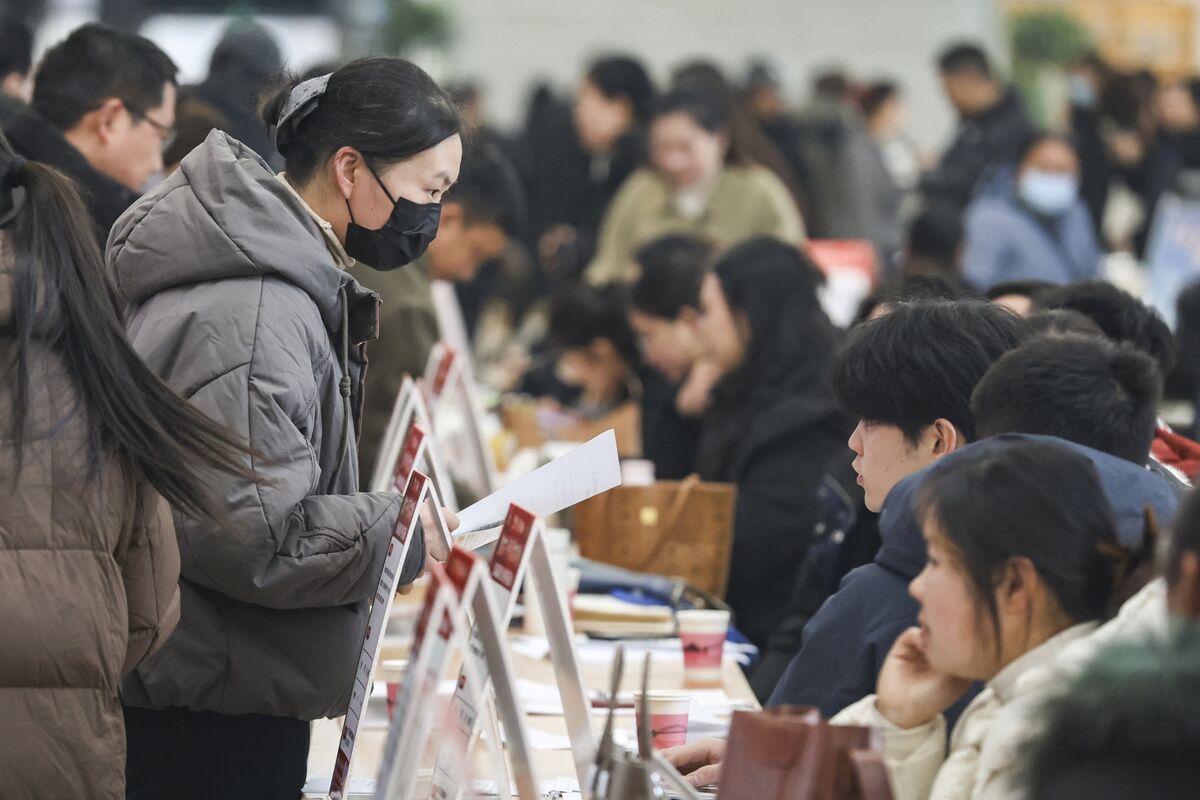
- China plans to use AI to assist job creation as part of efforts to support a large cohort of university graduates entering the labor market this year.
- The government intends to refine policies and explore all potential channels to expand employment opportunities for graduates.
- Community-level expansion of opportunities is highlighted as a part of the approach.
- Universities are being urged to incorporate AI and vocational training to improve graduate employment prospects.
- Public statements suggest a focus on enabling young people to apply their talents across industries.
What’s Still Unclear
- Exact mechanisms or programs that will operationalize AI-driven job creation beyond policy refinement and community-level expansion.
- Whether the 12.7 million figure refers to this year globally or to a specific year, and whether it is current to 2026.
- Specific sectors or regions where AI-driven employment initiatives will be piloted or prioritized.
- Quantitative targets or metrics for measuring AI-driven job creation outcomes.
Context
Contextual background indicates China is prioritizing AI and skills training as part of managing a large wave of graduates entering the labor market. This includes policy refinement, broader opportunities at local levels, and closer ties between higher education curricula and industry needs regarding AI competencies.
Why It Matters
If realized, combining AI with education-to-employment strategies could influence the pace of graduate employment, shape labor market competitiveness, and affect broader economic planning in China.
What to Watch Next
- Any official policy announcements detailing AI-focused training programs for graduates.
- Updates on university curriculum changes that integrate AI and vocational training.
- Reports on employment outcomes for graduates in the coming quarters.
- Community-level initiatives designed to expand employment opportunities for new graduates.
FAQ
Q: What is the main goal of China’s AI-driven job creation effort?
A: To support a large number of graduates entering the labor market by refining policies, expanding opportunities at the community level, and aligning education with AI-focused skills.
Q: Are there specific numbers tied to AI-created jobs?
A: The only explicitly cited figure relates to graduate intake (12.7 million); there is no confirmed claim of 127 AI-driven jobs or 127 million involved in the available information.
Related coverage
- China gold purchases streak continued as prices rise with
- Ports sale impasse political breakthrough: CK Hutchison’s
- China defense spending growth 2026 slows to 7% mightiest
Source Transparency
- This article is based on a short preliminary brief and may not reflect the full details available in ongoing reporting.
- Source links are provided in the Sources section where available.
- A limited open-web check was used to clarify key details when possible; unclear items remain clearly marked.
Original brief: China will harness artificial intelligence to create jobs as the number of university graduates poised to enter the labor market this year will reach 12.7 million…
Sources
- China to harness AI for job creation, supporting college graduates
- China's rapid AI growth sparks hiring boom as demand outpaces supply
- China Pushes AI Skills Training to Boost Graduate Employment
- China rolls out sweeping employment push for record number of college …
- Surge in AI Job Opportunities in China Amidst Talent Shortage