
Published 2026-03-07

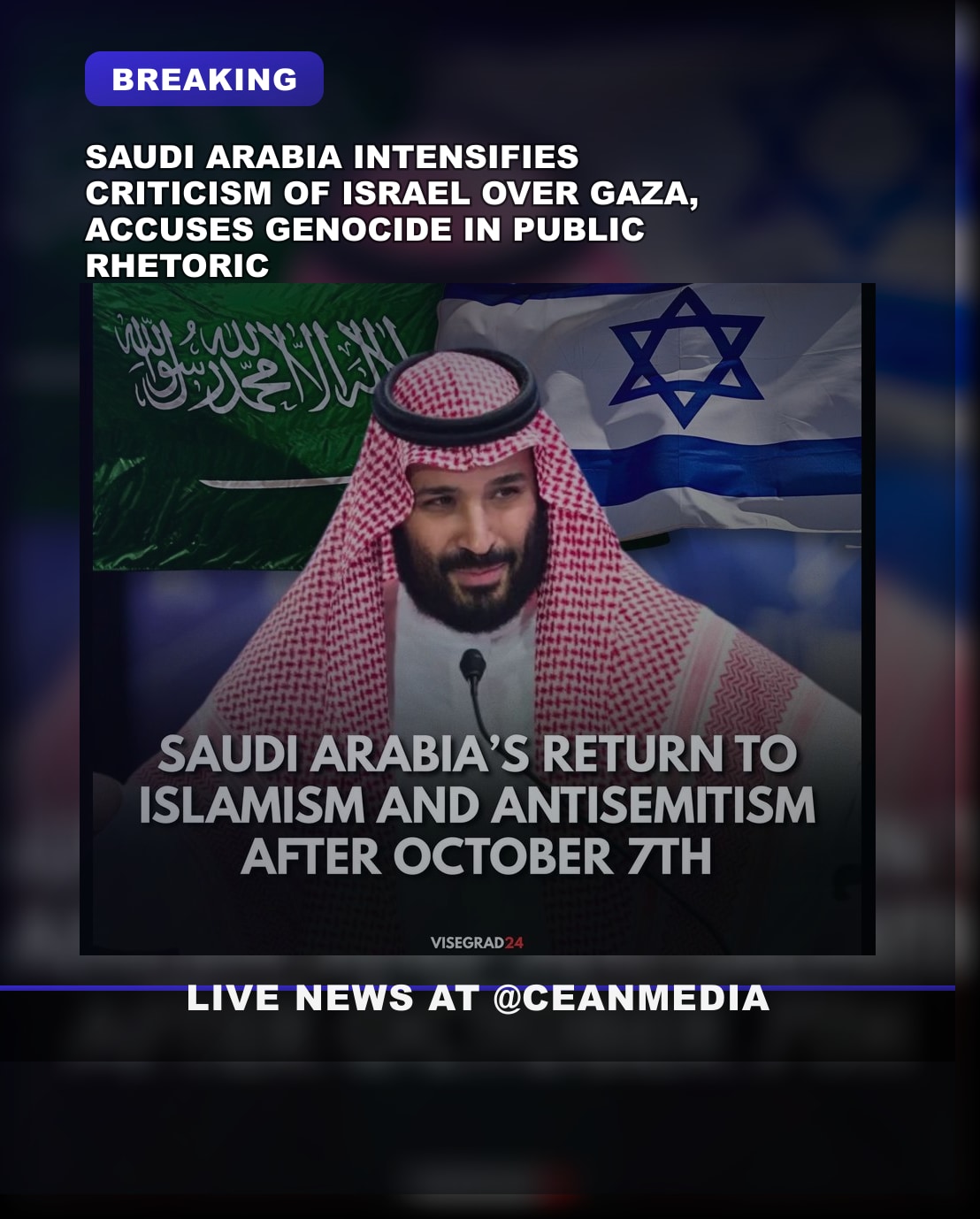
Summary: A noticeable shift in Saudi Arabia’s public rhetoric toward stronger criticism of Israel, including mentions of genocide accusations against Palestinians and occasional antisemitic dog whistles, with analysts describing a tilt toward Islamist-leaning influences and alignment with regional powers like Qatar and Turkey.
What We Know
- Saudi state-aligned media and public figures have increased anti-Israel rhetoric in recent weeks.
- Analysts describe Riyadh as aligning more with Islamist forces and with regional powers such as Qatar and Turkey.
- The shift follows the Israel-Hamas conflict, with commentary suggesting a move away from a previously more moderate posture.
- Media and opinion pieces have included language accusing Israel of genocide against Palestinians and have featured antisemitic messaging or “dog whistles” in some outlets.
- There is commentary indicating a broader realignment in the region that could affect Saudi normalization dynamics with Israel.
What’s Still Unclear
- Exact timeline and causal relationships between Saudi rhetoric shifts and regional geopolitical maneuvers are not clearly quantified in the available information.
- The concrete impact of the rhetoric shift on future normalization prospects with Israel remains unconfirmed.
- Specific actors within Saudi media or government responsible for individual statements have not been named in the provided sources.
- The broader domestic reception within Saudi society to these public rhetoric changes is not detailed in the sources.
Context
General background: In the Middle East, shifts in public rhetoric and foreign policy alignments among Gulf states can influence regional security dynamics, alliances, and normalization efforts with Israel. Public discourse often reflects broader strategic realignments and responses to ongoing conflicts in the region.
Why It Matters
Rhetorical shifts can shape regional perceptions, affect diplomatic normalization timelines, and influence the strategies of rival regional powers. Understanding these dynamics helps assess potential changes in security calculations, media narratives, and foreign policy postures.
What to Watch Next
- Monitor for further statements from Saudi state-aligned media and public figures regarding Israel and the Palestinian question.
- Look for shifts in regional alliances or joint statements involving Saudi Arabia, Qatar, and Turkey that signal broader realignment.
- Assess any changes in official Saudi policy signals toward normalization with Israel in the near term.
- Observe whether international reactions or domestic debates in Saudi Arabia influence the trajectory of rhetoric and policy.
FAQ
Q: What does the shift in rhetoric imply for Saudi-Israeli relations?
A: The available information suggests a potentially harder public stance, which could complicate or delay normalization efforts, though precise outcomes are not confirmed.
Q: Are antisemitic dog whistles confirmed to be systematic in Saudi media?
A: The sources indicate occasional use of antisemitic messaging in some outlets, but do not provide a comprehensive, verifiable pattern across all Saudi media.
Related coverage
- Iran internet outage seven days connectivity 1percent
- U.S. Releases Footage of Strikes That Sank Iranian Drone
- Iranian air attack casualties child memorial: 11-Year-Old
Source Transparency
- This article is based on a short preliminary brief and may not reflect the full details available in ongoing reporting.
- Source links are provided in the Sources section where available.
- A limited open-web check was used to clarify key details when possible; unclear items remain clearly marked.
Original brief: Following the October 7 Massacre and the Israel-Hamas War, there has been a noticeable shift in Saudi Arabia’s public rhetoric toward stronger criticism of Israel, including accusations of "genocide" against Palestinians and occasional use of antisemitic “dog whistles."
Sources
- Why Saudi Arabia is turning back to Islamism – and against Israel
- Saudi media's increasingly anti-Israel rhetoric raises questions about …
- Antisemitism, anti-Israel rhetoric a key feature of Saudi Arabia's …
- Anti-Israel sentiments grow in Saudi Arabian media | The Jerusalem Post
- Saudi Arabia's Islamist Pivot Raises Concerns in Israel, US