
Published 2026-03-07

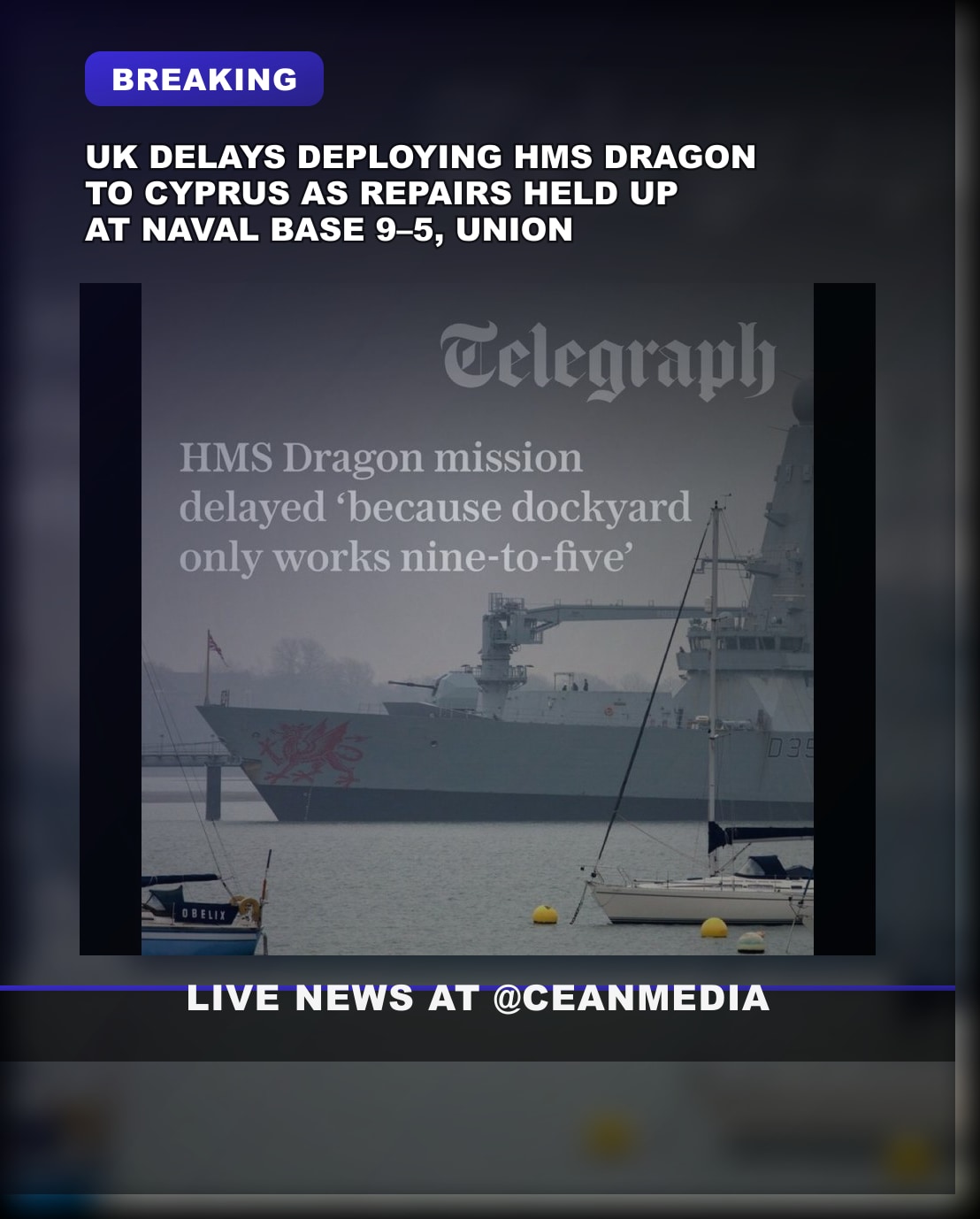
Summary: The UK plans to deploy the air-defense destroyer HMS Dragon to protect UK airbases on Cyprus from drone threats, but the deployment has been delayed as staffing hours at a key naval base were cut, according to union sources. Two Wildcat helicopters armed with anti-drone missiles have arrived on Cyprus.
What We Know
- The UK announced a plan to send HMS Dragon to Cyprus to protect UK airbases from drone attacks.
- The deployment is delayed, with staffing changes at a key naval base implicated as a factor.
- A union representing defense workers says the base no longer operates around the clock, contributing to the delay.
- Two Wildcat helicopters armed with anti-drone missiles arrived on Cyprus.
- News coverage indicates HMS Dragon’s arrival is delayed relative to other regional naval activities on the island.
What’s Still Unclear
- Exact duration of the deployment delay.
- Whether the 9–5 staffing changes are the sole cause of the delay or if other factors are involved.
- The precise timeline for HMS Dragon’s deployment to Cyprus and any rescheduled arrival date.
- How the delay may affect overall airbase protection arrangements on Cyprus in the near term.
Context
Cyprus hosts UK airbases and is within a complex regional security environment in the eastern Mediterranean. Drones and unmanned threats have been a focal point for regional defense planning, and allied navies and air defenses have been coordinating responses to evolving threats.
Why It Matters
The deployment of HMS Dragon and accompanying anti-drone assets is intended to bolster defense of UK bases on Cyprus amid heightened tensions in the region. Delays can affect protective readiness and the tempo of responses to potential drone threats.
What to Watch Next
- Any official updates on the new deployment timetable for HMS Dragon to Cyprus.
- Details on how the staffing hours change at the naval base are being managed and whether arrangements remain temporary or become permanent.
- Further information on additional anti-drone assets or measures deployed to Cyprus in light of the delay.
- Regional security developments that could influence airbase protection strategies in Cyprus.
FAQ
Q: What caused the delay in HMS Dragon’s deployment to Cyprus?
A: Reports cite staffing hour reductions at a key naval base as a contributing factor, with official details not fully disclosed.
Q: Have any other assets arrived or been deployed to Cyprus?
A: Two Wildcat helicopters armed with anti-drone missiles have arrived on Cyprus.
Related coverage
- Air Force Pilot Message Iran: Israeli Air Force Pilot
- Iranian airstrikes at Mehrabad Tehran hit Tehran airport,
- Iran war brinkmanship guidance: Week of Crises Tests
Source Transparency
- This article is based on a short preliminary brief and may not reflect the full details available in ongoing reporting.
- Source links are provided in the Sources section where available.
- A limited open-web check was used to clarify key details when possible; unclear items remain clearly marked.
Original brief: The UK announced it’s sending the air defense-destroyer HMS Dragon to protect UK airbases on Cyprus from Hezbollah’s suicide drone attacks against the island.
That deployment has now been delayed.
The union says repairs are held up because the naval base only operates 9–5
Sources
- Shop defense against drones – Amazon® Official Site
- UK cut staff hours at key naval base handling Cyprus drone strike
- Cyprus says future of RAF base in doubt after drone strike
- UK warship's Cyprus deployment delayed amid claims of '9-to-5' contract
- UK warship might not arrive at Cyprus for a 'couple of weeks'