
Published 2026-03-09

Summary: Protests in Cuba have intensified amid ongoing concerns about political repression, with international observers noting continued restrictions on dissent and recent trials of protesters. The narrative of regime resilience persists alongside calls for greater freedoms.
What We Know
- The Cuban government has a history of repressing dissent and public criticism, with hundreds of critics and protesters, including participants from the July 2021 demonstrations, reportedly still active.
- There are ongoing legal actions against protesters in Cuba, including reports of a trial involving 16 Bayamo protesters connected to a peaceful protest on March 17, 2024.
- Freedom House describes Cuba as a one-party state that bans independent media, suppresses dissent, and restricts basic civil liberties.
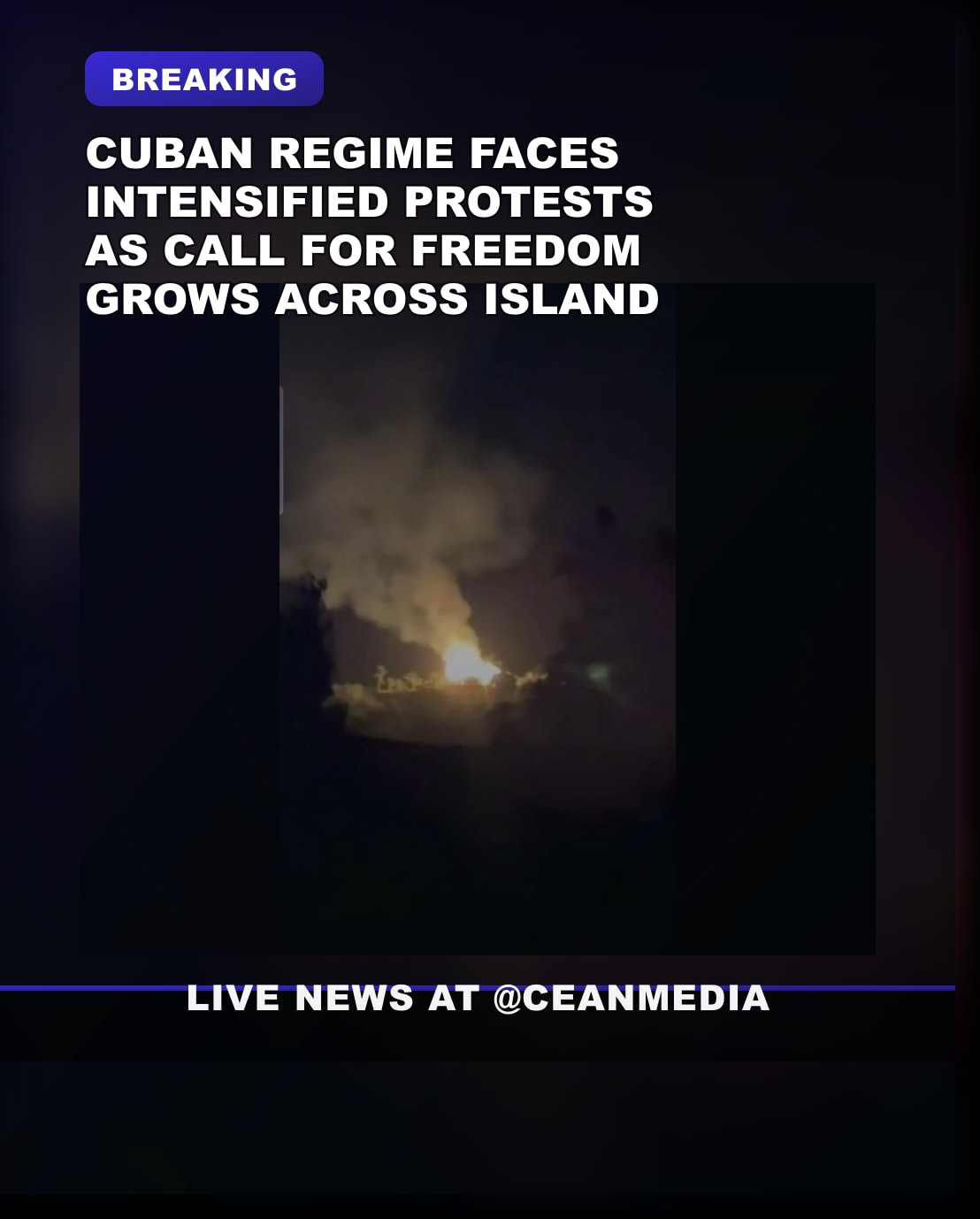
- Recent reporting suggests that protests against the government have intensified in the period leading up to March 2026, though precise numbers or locations are not detailed in the available sources.
What’s Still Unclear
- Whether the recent intensification of protests is directly tied to specific new events or policies remains unconfirmed in the provided materials.
- Exact current locations, sizes, and organizers of protests in March 2026 are not clearly documented here.
- Details on any government response beyond ongoing repression and trials are not specified.
Context
Context: Cuba is commonly characterized by observers as a one-party state with restricted political pluralism, limited media independence, and civil liberties constraints. International human rights groups have repeatedly highlighted concerns about dissent suppression and legal actions against protesters.
Why It Matters
International attention to Cuba’s treatment of dissent and the legal handling of protesters can influence diplomatic pressure, human rights advocacy, and internal policy debates about political freedoms and civil liberties.
What to Watch Next
- Follow updates on protests and any government statements or policy changes related to civil liberties and media freedom in Cuba.
- Monitor developments in legal cases against protesters, including any resolutions or sanctions from international observers.
FAQ
Q: What do rights organizations say about Cuba’s restrictions on dissent?
A: They describe Cuba as repressing dissent, outlawing political pluralism, banning independent media, and restricting basic civil liberties.
Q: Are there confirmed new protests in March 2026?
A: The available materials indicate intensified protests in recent days, but precise details are not clearly documented in the sources provided.
Related coverage
- Poll shows runoff tie Bolsonaro Lula
- GILINSKI FAMILY OIL INVESTMENT: Colombia’s Richest Bets
- Bolivian currency crash casualties: Authorities scramble
Source Transparency
- This article is based on a short preliminary brief and may not reflect the full details available in ongoing reporting.
- Source links are provided in the Sources section where available.
- A limited open-web check was used to clarify key details when possible; unclear items remain clearly marked.
Original brief: The protests against the communist regime in Cuba have intensified over the past few days.
The regime will fall and Cuba will be free…
Sources
- World Report 2026: Cuba | Human Rights Watch
- Repression in Cuba: 16 protesters from Bayamo face trial
- Protests Erupt in Havana After More Than 60 Hours Without Electricity …
- Patria o Vida: Political Repression and Mass Migration After the 2021 …
- Cuba: Freedom in the World 2024 Country Report | Freedom House