
Published 2026-03-12

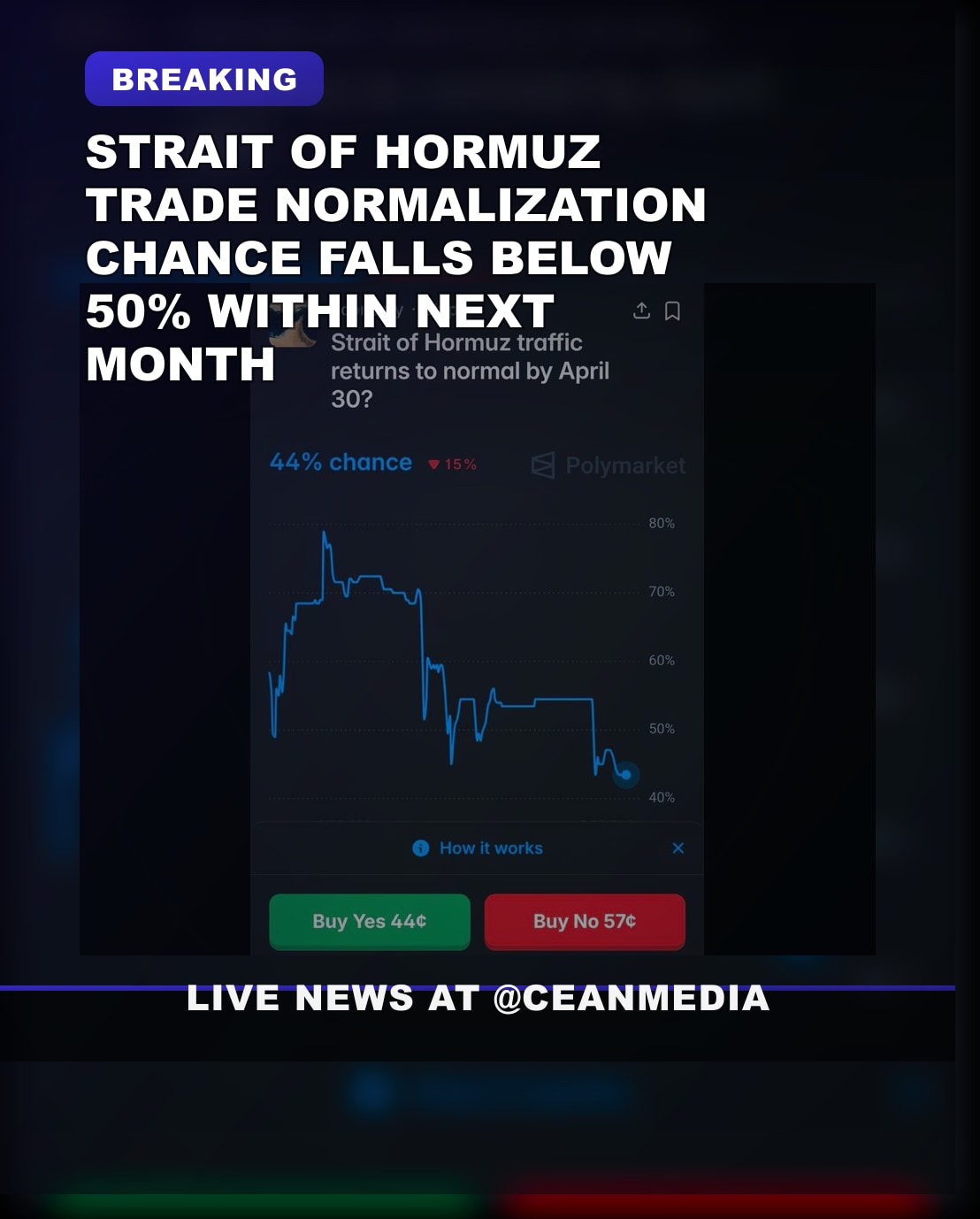
Summary: The likelihood of normalization for maritime trade in the Strait of Hormuz before the end of next month has decreased and sits below 50%, according to Polymarket. Background sector context notes that global seaborne trade growth slowed in recent years, with modest growth in 2024 and a projection of slower growth in 2025.
What We Know
- The reported likelihood of maritime trade normalizing in the Strait of Hormuz before the end of next month has fallen to below 50% per Polymarket commentary.
- Global seaborne trade growth was 2.2% in 2024, indicating a modest rebound after prior periods of pressure.
- Maritime trade is expected to slow to about 0.5% in 2025, with a potential recovery thereafter according to UNCTAD assessments referenced in the context.
- UNCTAD’s Review of Maritime Transport provides analysis on seaborne trade, ports, and shipping with emphasis on structural and cyclical changes affecting global maritime activity.
- More than 80% of global trade volume is transported by ships, underscoring the central role of maritime routes in international commerce.
What’s Still Unclear
- Whether the below-50% likelihood is a persistent, long-term trend or a short-term fluctuation is not explicitly detailed in available materials.
- Any quantitative methodology or time horizon used by Polymarket to derive the normalization likelihood is not provided here.
- Specific factors driving the perceived risk of normalization in the Strait of Hormuz (e.g., regional tensions, shipping disruptions) are not itemized in the provided sources.
- Exact implications for shipping schedules, insurance costs, or oil trade flows in the near term are not specified in the available materials.
Context
Global seaborne trade remains the backbone of international commerce, with the Strait of Hormuz being a strategically important chokepoint for energy and trade routes. Reports and analyses from UNCTAD and international institutions indicate that while trade grew modestly in 2024, growth projections for 2025 are subdued, and structural changes in global shipping continue to shape risk assessments for maritime routes.
Why It Matters
Shifts in the expected normalcy of maritime trade through key chokepoints can affect global supply chains, insurance pricing, and commodity markets. Understanding the trajectory helps businesses and policymakers gauge potential disruptions and contingency planning needs.
What to Watch Next
- Updates from Polymarket or other trackers on perceived risk levels for Strait of Hormuz maritime trade in the near term.
- Subsequent UNCTAD updates or a Review of Maritime Transport edition that refreshes growth projections and risk assessments.
- Any official statements from regional actors or shipping industry bodies regarding routing, security, or port operations near the Strait of Hormuz.
- Market indicators such as shipping freight rates or insurance premiums that may reflect heightened risk perception.
FAQ
Q: What does a likelihood below 50% imply for traders?
A: It suggests market-perceived risk that normal maritime trading conditions may not resume imminently, but the precise interpretation depends on the methodology used by the tracker and is not fully detailed in the available sources.
Q: Are there official authorities commenting on Strait of Hormuz risk?
A: The available materials reference UNCTAD analyses and market trackers; no direct official statements are quoted here.
Related coverage
- Oil tanker strike Iraq waters shocks region
- Tehran bombing neighboring countries: regime turns on
- Hezbollah rocket attack Israel: first large-scale strike
Source Transparency
- This article is based on a short preliminary brief and may not reflect the full details available in ongoing reporting.
- Source links are provided in the Sources section where available.
- A limited open-web check was used to clarify key details when possible; unclear items remain clearly marked.
Original brief: The likelihood of international maritime trade in the Strait of Hormuz going back to normal before the end of next month keeps dropping according to
@PolymarketIt now sits below 50%…
Sources
- Review of Maritime Transport 2025: Staying the course in … – UNCTAD
- Nowcasting Global Trade from Space, WP/25/93, May 2025 – IMF
- Review of Maritime Transport | United Nations iLibrary
- UNCTAD: Review of Maritime Transport 2024 – SAFETY4SEA
- The Impact of 2025's Global Economic Outlook on Maritime Trade