
Published 2026-03-19

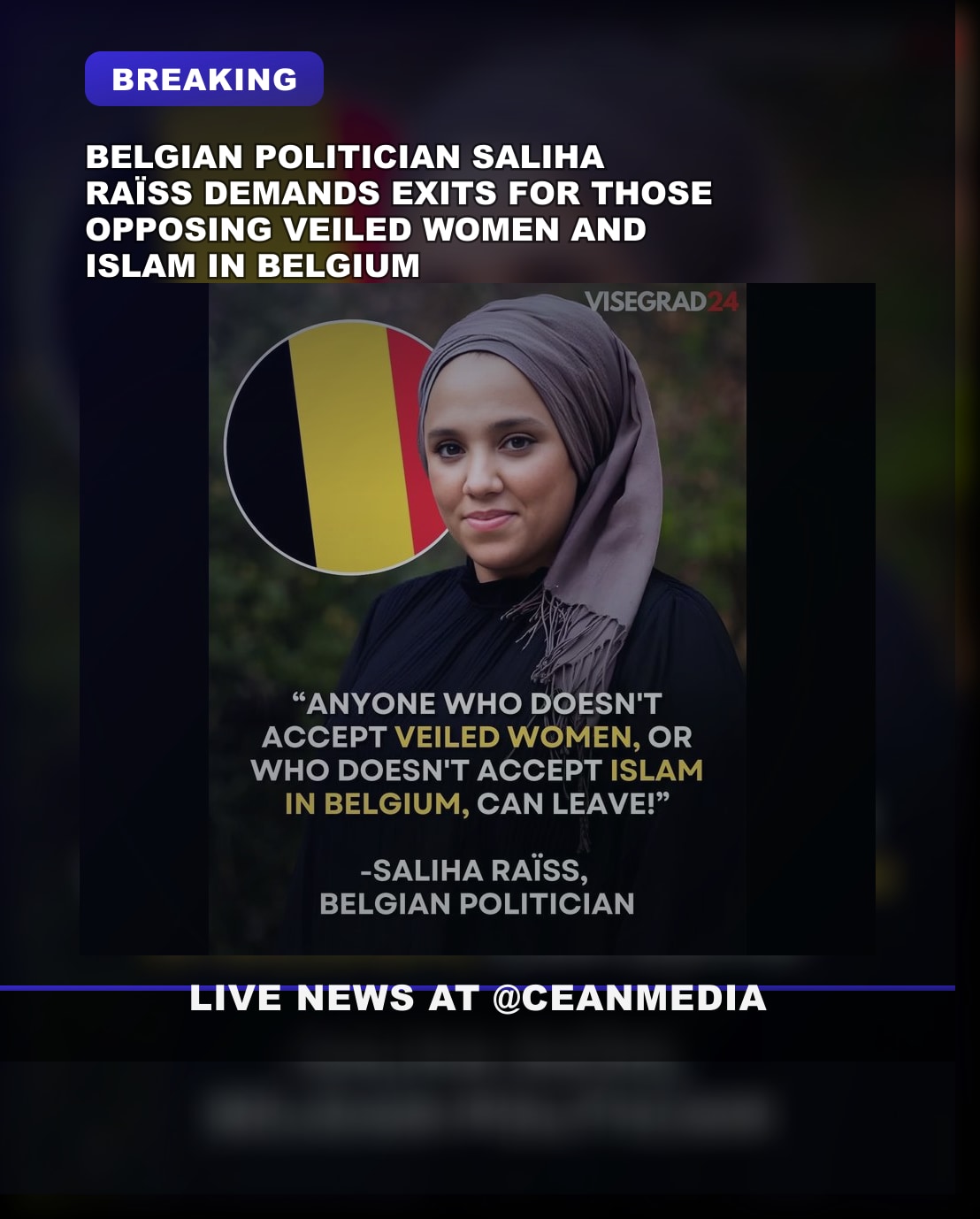
Summary: A Belgian politician reportedly linked to the Vooruit party sparked controversy with remarks about veiled women and Islam in Belgium. Fact-checkers indicate the remarks have been misinterpreted or taken out of context, with calls for Belgians to consider living elsewhere not supported as a call to leave Belgium or Europe. Context remains debated among sources.
What We Know
- A Belgian councillor associated with Molenbeek was reported to have told Belgians critical of Islamic influence to leave, according to a report.
- Fact-checking indicates the councillor did not call for Belgians to leave Belgium or Europe, but suggested Belgians annoyed by Islamic attire to consider living in another part of Brussels.
- Public discussion centers on a remark attributed to Saliha Raïss, a Vooruit-affiliated politician, regarding acceptance of veiled women and Islam in Belgium.
- Viral social-media interpretations have claimed a call to leave; these have been contested by fact-checks emphasizing context.
- One source notes the remark was sarcastic or misquoted in online circulation, with debates about the accuracy of the quote and its framing.
What’s Still Unclear
- The exact wording and origin of the remarks, and whether they were spoken by Saliha Raïss or another councillor, remain unsettled across reports.
- Whether the remarks referred specifically to Belgium or Europe, and what the broader political intent was, is not definitively confirmed.
- Details about the council meeting, the audience, and the surrounding discussion are not provided in the available information.
- How different outlets paraphrase or interpret the statements could influence public perception, and this remains a point of contention.
Context
Belgium has a multi-party political landscape with ongoing debates about social integration, religion, and civil liberties. In public discourse, statements about Islam and veil attire can provoke strong reactions and fact-checking, especially when circulated as viral clips with potentially misleading context.
Why It Matters
Public figures’ remarks on religion and personal beliefs can affect policy discourse, freedom of expression, and social cohesion. Accurate reporting and clear context help prevent misinformation and heated, unproductive debate.
What to Watch Next
- Follow any official statements or corrections issued by the parties involved or the council in question.
- Monitor subsequent reporting to confirm the exact context and attribution of the remarks.
- Look for independent fact-checks that clarify the sequence of events and the intent behind the comments.
- Observe how this incident influences discussions on freedom of speech and beliefs policy interpretation in Belgium.
FAQ
Q: Who made the controversial remark about veiled women and Islam?
A: Reports reference a Belgian councillor and/or a politician associated with Vooruit; however, exact attribution and wording are not definitively confirmed across sources.
Q: Did the remark explicitly tell Belgians to leave Belgium or Europe?
A: No definitive confirmation exists in the available information; fact-checks point to misinterpretation or misquotation and suggest the quote may have been taken out of context.
Related coverage
- New Zealand economic growth slowdown in Q4 2025 slows more
- Spanish MEP Ione Belarra calls US and Israel threats to
- Blame dynamics Pakistan Afghanistan USA Israel escalate
Source Transparency
- This article is based on a short preliminary brief and may not reflect the full details available in ongoing reporting.
- Source links are provided in the Sources section where available.
- A limited open-web check was used to clarify key details when possible; unclear items remain clearly marked.
Original brief: Saliha Raïss, a Belgian politician affiliated with the Vooruit party says “anyone who doesn’t accept veiled women or who doesn’t accept Islam in Belgium, can leave!”…
Sources
- Viral Misinterpretation Strikes Again: Saliha Raiss's Sarcasm Turned …
- Alexander De Croo – Wikipedia
- Belgium has a new prime minister, one who long tried to gut the nation …
- “Get Out,” Molenbeek Councillor Tells Belgians Critical of Islamic …
- Fact Check: Belgian councillor did not call for Belgians to leave …