
Published 2026-03-21

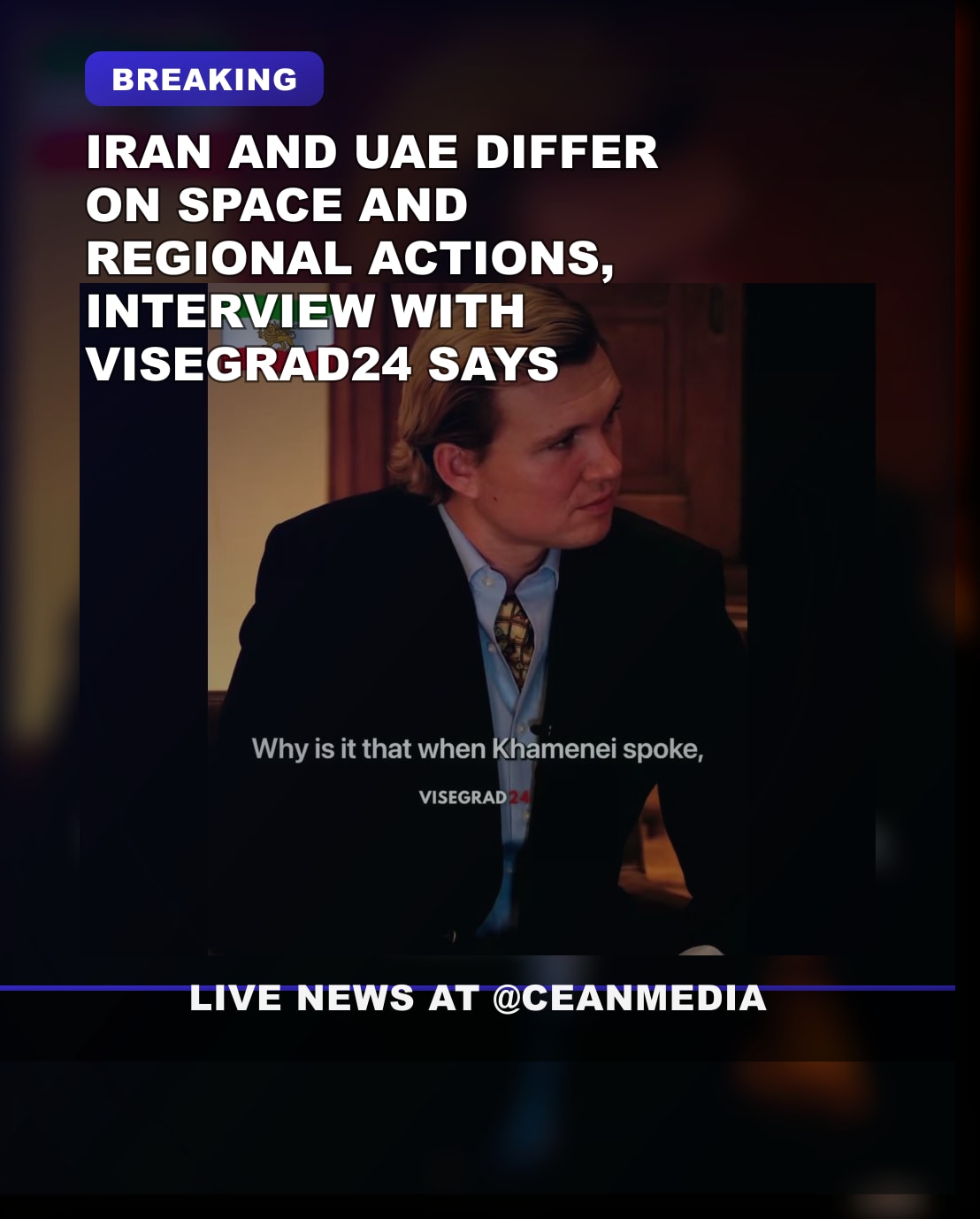
Summary: A Visegrad24 interview with @Imamofpeace contrasts the UAE and Iran, framing differences in strategic posture toward neighbors. The UAE explicitly rejects Iran’s actions as unlawful aggression and calls for de-escalation, while analysts highlight internal UAE messaging around Iran’s regional posture. The interview underscores regional tensions between Gulf states and Tehran, with UAE urging restraint and renewed mediation.
What We Know
- The UAE rejects Iran’s attacks as justifications for aggression and stresses ongoing efforts to de-escalate regional tensions.
- The UAE urges Tehran to halt attacks and supports renewed mediation to reduce regional tensions.
- Anwar Gargash characterizes Iran’s attacks on Gulf states as exposing military failure, political isolation, and moral bankruptcy.
- The context includes broader Gulf-state concerns about Iran’s regional behavior and the potential for mediation to ease tensions.
- The framing from the interview emphasizes a contrast between UAE actions and Iran’s perceived aggression, as described in the source materials.
What’s Still Unclear
- Specific details of the Visegrad24 segment beyond the cited quotes and how the regional differentiation is analyzed within the program.
- Exact wording and scope of the UAE’s official statements in relation to the Iranian attacks beyond the referenced sources.
- Broader regional reactions from other Gulf states and international actors in response to the same interview.
Context
General background only (no invented specifics). The Middle East region has ongoing tensions involving Iran’s regional posture, UAE security considerations, and international mediation efforts. UAE officials have publicly called for restraint and dialogue, and analysts have discussed the challenges of rapprochement and regional stability within the broader Gulf security architecture.
Why It Matters
Understanding regional differences in how Gulf states position themselves toward Iran can influence diplomatic engagement, mediation efforts, and security calculations in the Red Sea, Gulf, and wider Middle East. Clear messaging from UAE officials about de-escalation may affect international mediation and regional risk assessments.
What to Watch Next
- Any new statements from UAE officials regarding Iran’s regional actions and mediation efforts.
- Updates on regional diplomacy efforts involving Iran, the UAE, and other Gulf states.
- Further interviews or analyses from Visegrad24 or related outlets that explore Gulf-Iran dynamics.
FAQ
Q: What is the key distinction drawn between the UAE and Iran in the interview?
A: The framing contrasts a UAE position that emphasizes de-escalation and restraint with Iran’s actions described as aggressive toward neighboring states.
Q: What has the UAE publicly said about Iran’s attacks?
A: The UAE rejects justifications for Iran’s attacks, calls on Tehran to halt them, and supports renewed mediation to de-escalate tensions.
Related coverage
- Iranian nation reclaiming freedom: Protests, Philosophy,
- Iranian ballistic missile incident: Diego Garcia radar
- Trump NATO Strait Hormuz stance: reject ceasefire, Iran oil
Source Transparency
- This article is based on a short preliminary brief and may not reflect the full details available in ongoing reporting.
- Source links are provided in the Sources section where available.
- A limited open-web check was used to clarify key details when possible; unclear items remain clearly marked.
Original brief: In his latest interview, @Imamofpeace speaks with Visegrad24 about the difference between the UAE and the Islamic regime in Iran: “One country sends its rockets to Mars and the other country sends its rockets at its neighbors” Make sure to watch the full interview!…
Sources
- UAE Rejects Characterization of Iran's Attacks as “Retaliatory” and …
- UAE's Dr Gargash says Iran attacks on Gulf states highlight its …
- Challenges Ahead For UAE-Iran Rapprochement • Stimson Center
- UAE-Iran: Why geography, commerce and maturity shape their relationship
- 'Misleading claims': UAE official rebukes Iranian top minister, rejects …