
Published 2026-03-21
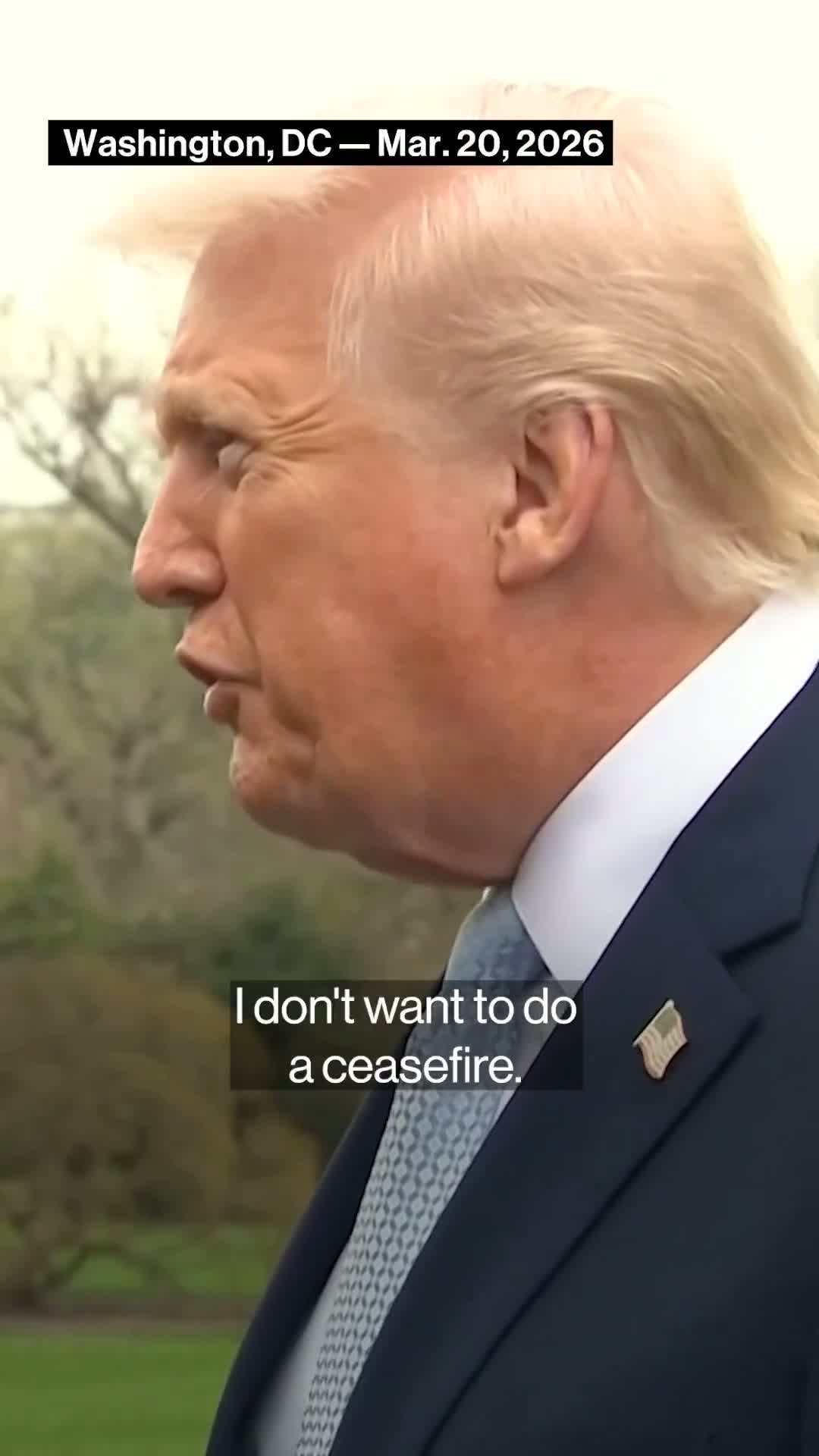
Summary: President Trump rejected a ceasefire in the Iran-related conflict and urged NATO allies to help secure the Strait of Hormuz, while reports indicate the United States is considering a plan to seize Iran’s oil export hub on Kharg Island.
What We Know
- Trump demanded NATO allies assist in securing the Strait of Hormuz, according to multiple sources.
- Trump rejected the idea of a ceasefire in the Iran-related conflict.
- Reports suggest the U.S. is exploring a plan to seize Iran’s oil export hub on Kharg Island.
- Trump has publicly criticized NATO and allies for not helping to unblock or reopen the Hormuz strait.
- Media coverage indicates a broader debate over the U.S. approach to Iran and its oil exports, with mixed reactions from allies and within the administration.
What’s Still Unclear
- Whether Trump explicitly linked the ceasefire rejection to NATO/Hormuz efforts in a single stated position across sources.
- The precise details, scope, and legal framework of any proposed action to seize Kharg Island’s oil export hub.
- How European and regional allies would respond to a forceful move on Kharg Island or intensified Hormuz measures.
- The timeline for any potential actions or policy shifts regarding Iran’s oil exports.
Context
General background: The Strait of Hormuz is a critical chokepoint for global oil shipments. The United States has frequently discussed allied support for securing sea lanes and, at times, considered options to pressure Iran over its nuclear program and regional activities. NATO allies have varied responses to U.S. requests for greater participation in security operations in the region.
Why It Matters
The stance highlights tensions between the U.S. and its allies over burden-sharing in regional security, as well as potential shifts in strategy toward Iran’s oil exports and strategic chokepoints that could affect global energy markets and diplomacy.
What to Watch Next
- Official statements from the U.S. government regarding NATO allies’ roles in Hormuz security.
- Any formal announcements about plans related to Kharg Island or Iran’s oil exports.
- Developments in the broader U.S.-Iran-Israel-Saudi dynamic and regional reactions from Gulf states and Europe.
FAQ
Q: What is the Strait of Hormuz’s significance?
A: It is a critical maritime chokepoint through which a substantial portion of the world’s oil passes, making security there a high priority for global energy markets. (Context only)
Q: Are NATO allies obligated to participate in Hormuz security?
A: The coverage indicates calls from Trump for allies to help, but the extent of any formal obligation or commitment varies by country and is not detailed here.
Related coverage
- Iranian missile incident Jerusalem highlights regional
- EU energy price shock outlook: Europe braces for extended
- Iran Tightens Border: cross border restrictions Iran Turkey
Source Transparency
- This article is based on a short preliminary brief and may not reflect the full details available in ongoing reporting.
- Source links are provided in the Sources section where available.
- A limited open-web check was used to clarify key details when possible; unclear items remain clearly marked.
Original brief: President Trump rejected the idea of a ceasefire and again bristled at NATO allies for not helping to unblock the Strait of Hormuz, as officials say the US is considering a plan to seize Iran’s oil export hub on Kharg Island
http://
bloom.bg/47g0yua
Sources
- Trump fumes at NATO for refusing to help secure the Strait of Hormuz …
- Trump blasts NATO after allies rebuff his call to help reopen Strait of …
- Trump Says U.S. Doesn't Need Allies to Reopen Strait of Hormuz
- Trump Rejects Ceasefire in Iran Conflict, Criticizes NATO Allies Over …
- NATO allies, China so far rebuff Trump's demand to police Hormuz : NPR