
Published 2026-03-22

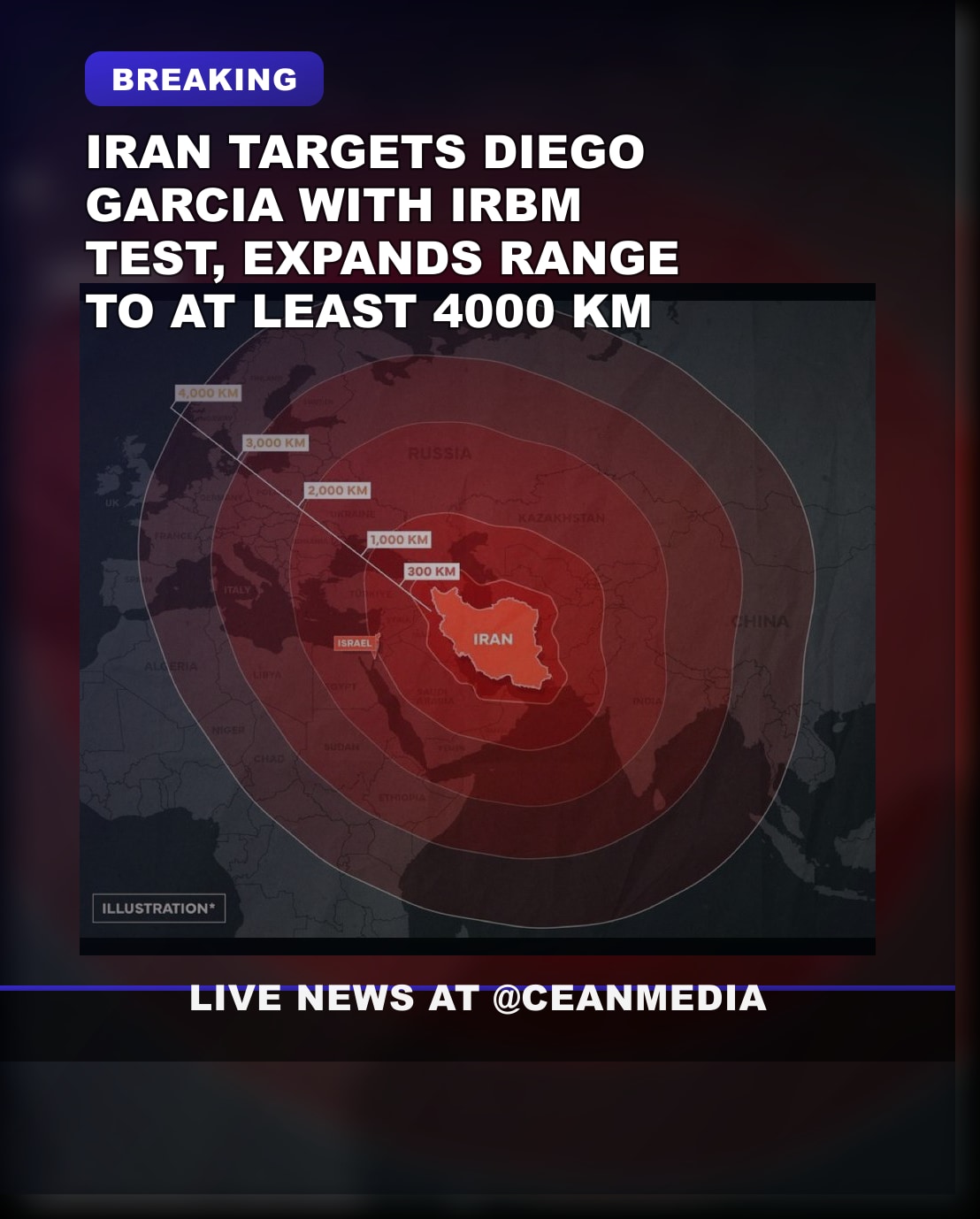
Summary: A recent Iranian intermediate-range ballistic missile launch at Diego Garcia is being interpreted by some analysts as indicating Iran possesses IRBMs with a minimum range around 4,000 km. This assessment suggests broader potential reach into Europe, though specifics remain disputed and not independently verified across sources.
What We Know
- The Khorramshahr-4 is identified as the likely IRBM used in an attempted attack on Diego Garcia, with analysts previously assessing a range of about 4,000 km or more.
- Analysts and some sources indicate that Iran’s IRGC has threatened to expand missile ranges beyond 2,000 km, raising concerns about potential reach into Europe/NATO capitals.
- Reporting notes that the Diego Garcia event has prompted discussions about Iran’s broader missile capability and regional security implications.
What’s Still Unclear
- Whether Iran has actually extended or is actively expanding ranges beyond 2,000 km remains disputed or unconfirmed in the available materials.
- The exact current operational range of Iran’s IRBMs beyond the cited 4,000 km figure is not independently verified in the provided sources.
- Concrete, verifiable details about deployment, readiness, or corroborating intelligence for the Diego Garcia event are not described in the sources.
Context
General background: Intermediate-range ballistic missiles (IRBMs) are a class of missiles with ranges longer than short-range systems but shorter than intercontinental missiles. Developments in Iran’s missile program have long prompted regional security concerns and debates about potential implications for Europe, NATO, and allied defenses. The current reporting reflects assessments from analysts and commentary that link a Diego Garcia incident to broader questions about missile range and capability, without confirming all technical specifics publicly.
Why It Matters
If Iran’s IRBM range indeed approaches or exceeds 4,000 km with operational capability, European capitals and allied interests could be within potential reach under certain circumstances. This has implications for regional security calculations, deterrence postures, and defense planning among Western states.
What to Watch Next
- Updated official or independent assessments confirming Iran’s current IRBM ranges and deployment status.
- Further analysis on whether Iran is actively expanding missile ranges beyond 2,000 km.
- Any corroborating evidence regarding the Diego Garcia incident, including verification of missile type and trajectory data.
- Responses or adjustments in NATO or European defense planning in light of new range assessments.
FAQ
Q: What is the significance of a 4,000 km IRBM range?
A: It would imply potential reach to parts of Europe under certain conditions, influencing security and defense considerations, though specifics require verified data.
Q: Are these claims confirmed facts?
A: The available sources present analyses and statements from some analysts; no independent confirmation of exact ranges or operational status is provided in the cited materials.
Related coverage
- Diaspora homeland identity question: What is “Country” for
- Iranian Man Cheers as U.S./Israel Strikes Hit Iranian
- Israel Iranian missile strike Arad: 5-year-old girl
Source Transparency
- This article is based on a short preliminary brief and may not reflect the full details available in ongoing reporting.
- Source links are provided in the Sources section where available.
- A limited open-web check was used to clarify key details when possible; unclear items remain clearly marked.
Original brief: Yesterday’s launch of an Iranian intermediate-range ballistic missile on Diego Garcia means that Iran likely has IRBMs with a minimum range of 4000 km.
It means that the only 3 European countries out of range of Iranian ballistic missiles are Iceland, Ireland & Portugal…
Sources
- Iran Fires Two Intermediate-Range Ballistic Missiles at Diego Garcia …
- Iran Warns of Unlimited Missile Range Amid Western Sanctions and Rising …
- Iranian missiles: Europe at risk, Spain out of range
- Iran's Ballistic Missile Programs: Background and Context
- Report to Congress on Iran's Ballistic Missile Programs