
Published 2026-03-22

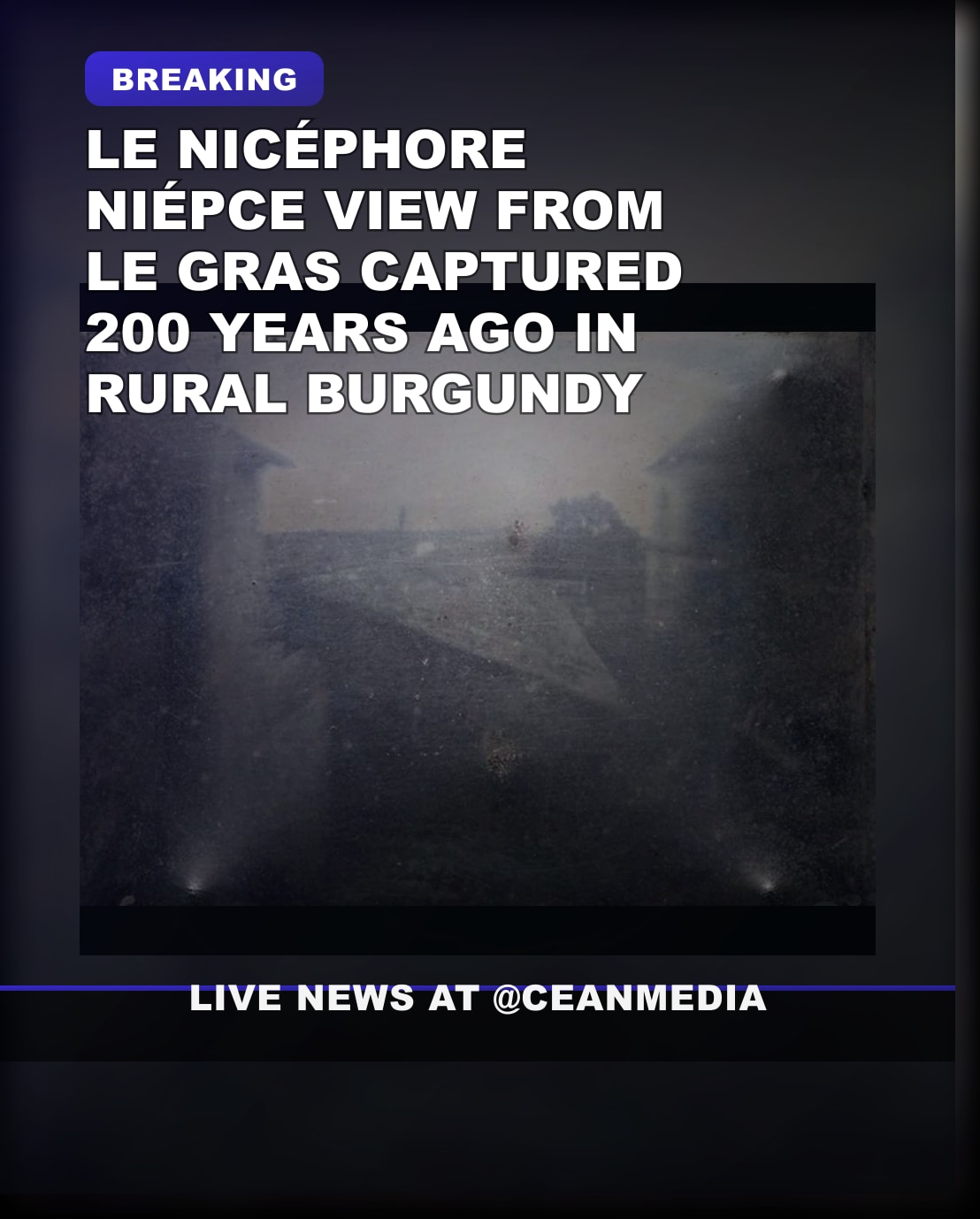
Summary: Two centuries after Nicéphore Niépce created the world’s oldest surviving photograph, View from the Window at Le Gras remains a landmark in the history of photography. The image, taken in 1826 in Saint-Loup-de-Varennes, France, depicts Niépce’s view from a window at his estate Le Gras and offers a rare window into early photographic technology and the landscape of rural Burgundy as it appeared in the 19th century.
What We Know
- The oldest surviving photograph is View from the Window at Le Gras, created by Nicéphore Niépce in 1826 in Saint-Loup-de-Varennes, France.
- The photograph shows parts of buildings and the surrounding countryside of Niépce’s estate, Le Gras, as seen from a high window.
- Niépce’s process is often described as an early form of heliography, making it one of the first camera-made photographs.
- The image is widely cited as the earliest surviving photograph, marking a milestone in the history of photography.
- Scholarly and popular sources commonly reference Le Gras as the site associated with the photograph, with occasional variations in title spellings (Le Gras vs. La Gras).
What’s Still Unclear
- The exact date of creation is sometimes listed as 1826 or 1827 in different sources; the available information notes this ambiguity without confirming a single date.
- Details on the original printing, enhancement, or current archival condition of the photograph are not specified here.
- Precise authentication methods or recent conservation actions are not described in the provided materials.
Context
Contextual background about the earliest days of photography includes Niépce’s experimentation with light-sensitive materials and the development of processes that predate modern camera-based imaging. The work represents a foundational moment in how humans capture and preserve visual information from real environments.
Why It Matters
As the oldest surviving photograph, View from the Window at Le Gras anchors the origin story of photography. It helps historians trace the evolution of imaging technology, camera systems, and the use of light-sensitive processes to create lasting visual records of real places and moments.
What to Watch Next
- Developments in research confirming the precise dating of the Niépce image, where applicable.
- New scholarly work or exhibitions highlighting the technical aspects of early heliographic processes.
- Further restoration or preservation efforts related to Niépce’s surviving works and similar early photographs.
- Comparative studies of early European photography practices and their influence on subsequent photographic methods.
FAQ
Q: What is the subject of View from the Window at Le Gras?
A: It depicts parts of Niépce’s estate as seen from a high window, characteristic of the view from Le Gras in rural Burgundy.
Q: Why is this photograph significant?
A: It is widely regarded as the oldest surviving photograph, marking a pivotal moment in the history of imaging and the birth of photography as a reproducible process.
Related coverage
- Cuba electricity grid collapse Leaves Millions in Darkness
- Vilnius Eid celebrations viral: Viral Video Highlights
- St. Petersburg Welcomes Eid al-Fitr as Muslims in Russia
Source Transparency
- This article is based on a short preliminary brief and may not reflect the full details available in ongoing reporting.
- Source links are provided in the Sources section where available.
- A limited open-web check was used to clarify key details when possible; unclear items remain clearly marked.
Original brief: Nicéphore Niépce took the world’s oldest surviving photograph exactly 200 years ago.
The view from his window at Le Gras in rural Burgundy hasn’t changed much over the past 2 centuries…
Sources
- View from the Window at Le Gras – Wikipedia
- View from the Window at Le Gras – Nicéphore Niépce's First Photograph
- Joseph Nicéphore Niépce, View from the Window at Le Gras – Smarthistory
- The Earliest Photograph by Niépce – World History Encyclopedia
- The First Photo Ever Taken And The Story Behind It