
Published 2026-03-23
Summary: The narrative around oil-and-gas-to-solar transitions highlights Pakistan as a private sector-led solar surge that is helping reduce reliance on Middle East energy imports, while Bangladesh has signaled a stronger policy push toward renewables with higher targets. The broader implication is that energy-transition dynamics in South Asia may influence regional exposure to Persian Gulf energy markets.
What We Know
- Bangladesh has approved a new Renewable Energy Policy with higher targets: 20% by 2030 and 30% by 2040.
- Pakistan’s solar transition is described as private sector-led in at least one source.
- Analyses note that Pakistan’s solar surge as of early 2026 has helped avoid a substantial amount of oil and gas imports (reported figure varies by source).
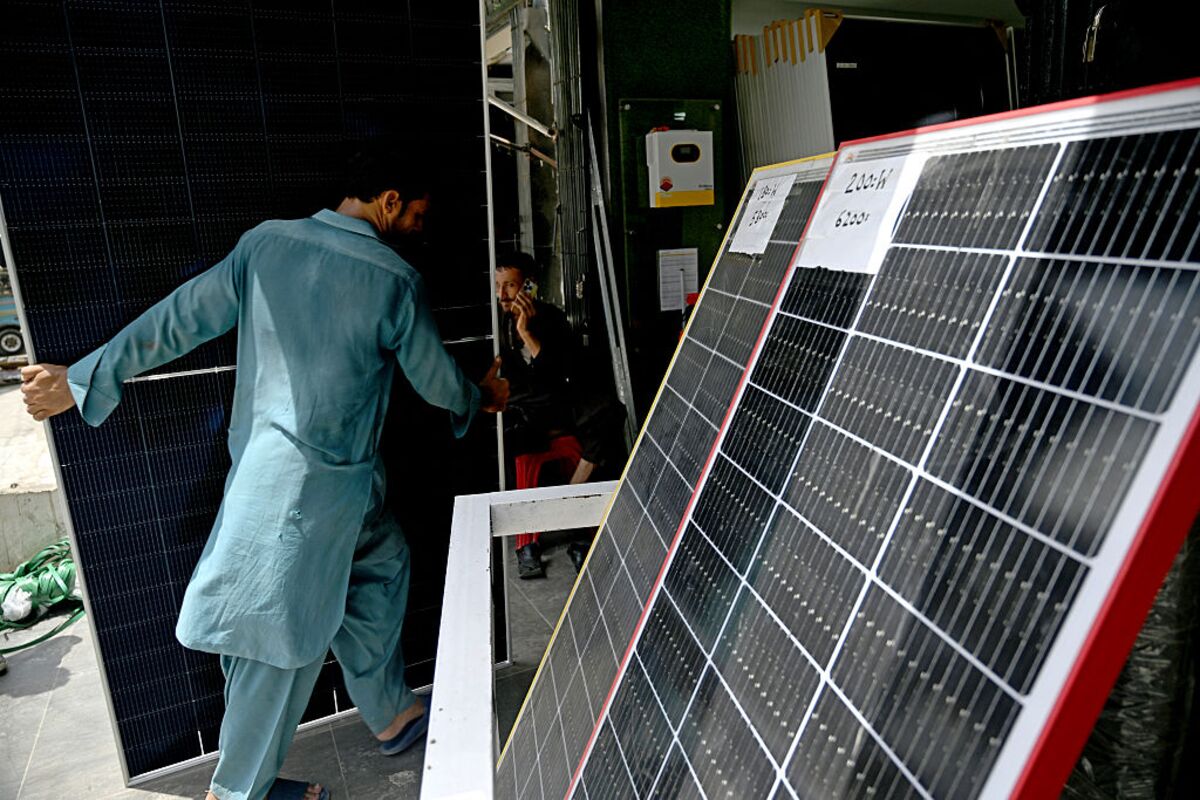
- Media coverage frames Pakistan’s solar boom as easing the impact of Middle East energy volatility on its energy mix.
- The discussion references broader regional energy-transition narratives, including comparisons to other South Asian economies’ policies and adoption pace.
What’s Still Unclear
- Exact quantitative reductions in Pakistan’s oil and gas imports due to the solar transition beyond the cited figure, and how consistently that figure is reported across sources.
- Specific policy instruments, subsidies, tariffs, or government programs supporting Pakistan’s private-sector-led solar expansion.
- Detailed timelines or milestones for Bangladesh’s ramp-up beyond the stated 2030/2040 targets.
- How current market and price dynamics in the Persian Gulf influence ongoing investment in solar in Pakistan and Bangladesh.
Context
Across South Asia, several economies are pursuing energy transitions from fossil fuels toward solar and other renewables. Policy frameworks, private-sector participation, and regional energy dependencies shape how quickly and effectively these shifts occur. In Bangladesh, government-driven targets appear to be intensifying clean capacity deployment, while Pakistan emphasizes private-sector-led solar growth as a means to mitigate import reliance.
Why It Matters
If Pakistan’s private-sector-led solar expansion continues to displace imported oil and gas, it may reduce exposure to global fossil-fuel price swings and influence regional trade patterns. Bangladesh’s policy-oriented push could accelerate its own clean-energy deployment, potentially altering power security and cost trajectories in South Asia.
What to Watch Next
- Updates on Pakistan’s solar deployment milestones and any new financing or policy measures supporting private-sector projects.
- Bangladesh’s progress toward its 2030 and 2040 renewable energy targets and the role of large utility solar parks or IPP developments.
- Analyses of how shifts in Persian Gulf energy markets affect regional energy planning in Pakistan and Bangladesh.
- Quantitative assessments of import substitution effects from solar adoption in Pakistan, with cross-source comparisons.
FAQ
Q: What is the main contrast between Pakistan and Bangladesh in their energy-transition approaches?
A: Pakistan is described as experiencing a private-sector-led solar surge, while Bangladesh has signaled a policy-driven push with higher renewable targets.
Q: Are there confirmed figures on how much oil and gas imports Pakistan has avoided due to solar?
A: There are reported figures (e.g., around $12bn) with varying sources; exact consistency across reports is not provided here.
Related coverage
- Oil prices slip after gulf attacks reassurance
- Brazilian rate cuts support assets boosts currency, easing
- Oil avoidance with EV adoption could cut oil use by 5.25M
Source Transparency
- This article is based on a short preliminary brief and may not reflect the full details available in ongoing reporting.
- Source links are provided in the Sources section where available.
- A limited open-web check was used to clarify key details when possible; unclear items remain clearly marked.
Original brief: The countries that switched from oil and gas to solar, like Pakistan, will weather this storm in the Persian Gulf, writes
@davidfickling
. Bangladesh? Not so much (via
@opinion
)…
Sources
- State of Energy Transition in Bangladesh and Pakistan – REGlobal
- How Pakistan's people-led solar boom is easing impact of Middle East …
- Pakistan's solar boom helps cut oil and gas imports amid energy … – MSN
- Pakistan's energy transition via solar power and batteries
- Pakistan's Solar Transition Undermined by Fossil Fuel-Driven Policy Dilemma