
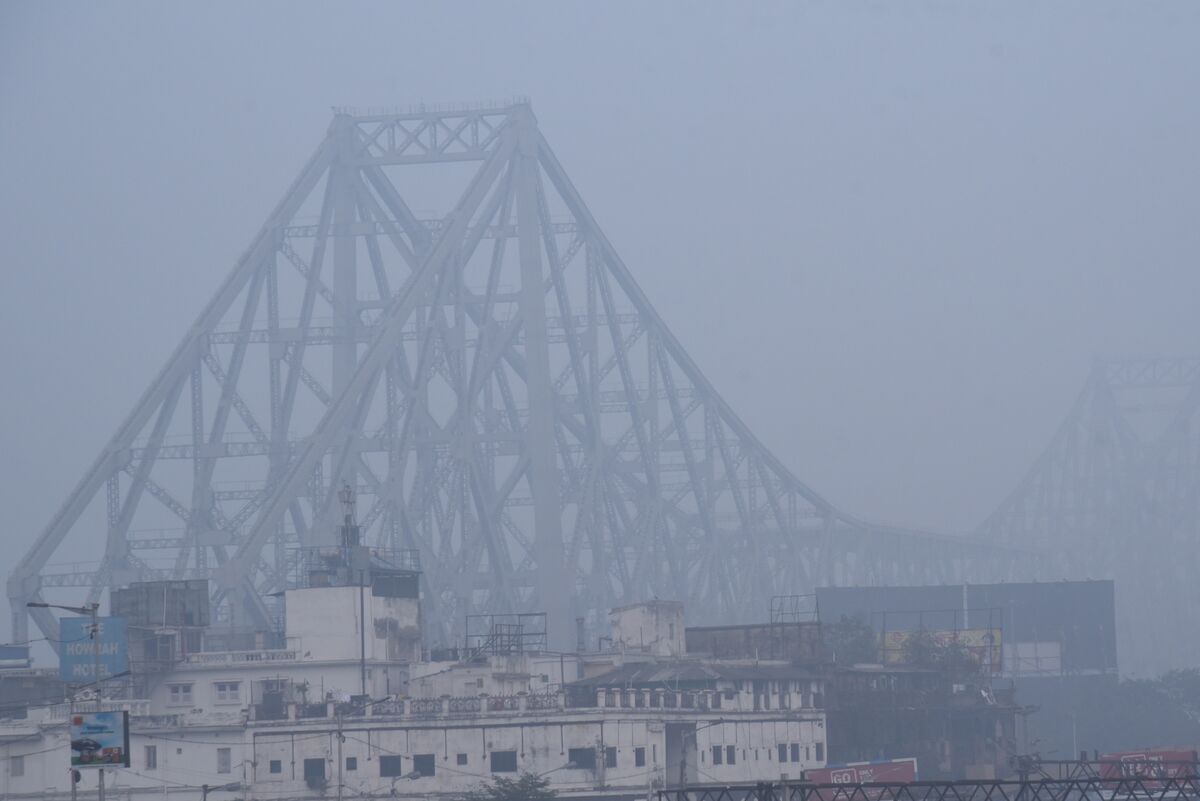
Published 2026-03-24
Summary: Global air quality declined in 2025, with more cities reporting standards below international health guidelines. The report highlights the impact of severe wildfires and pollution from sectors including fossil fuels and agriculture, alongside broader trends in urban air pollution.
What We Know
- IQAir’s 2025 World Air Quality Report notes that only 14% of cities meet WHO guidelines.
- The decline in air quality is linked to widespread exposure to pollutants from multiple sectors, including fossil fuels and agriculture, as well as wildfire-related emissions.
- The discussion around air quality emphasizes the importance of expanding monitoring networks, including low-cost sensors, to provide actionable data for communities and policymakers.
- The State of Global Air 2025 analyzes data for air quality and health impacts for countries around the world, focusing on 2023 as the referenced year for its analysis.
What’s Still Unclear
- Whether there is a clear year-over-year decline from 2024 to 2025 is not explicitly stated in the available information.
- Specific numerical trends beyond the 14% figure for city-fitness against WHO guidelines are not provided here.
- Geographic distribution of affected cities or regional hot spots is not detailed in the provided material.
- Direct quotes or statements from policymakers or organizations are not included in the source briefs.
- Any planned policy responses or timelines beyond general emphasis on monitoring networks are not specified.
Context
Global air quality is influenced by a range of factors, including fossil fuel combustion, agricultural emissions, wildfire smoke, urban development, and climate-related events. International health guidelines, such as those from WHO, provide benchmarks used by researchers and policymakers to assess risk levels in cities worldwide. Recent reports typically synthesize data from multiple sources and emphasize monitoring, mitigation, and health impact considerations.
Why It Matters
Air quality directly affects public health, particularly respiratory and cardiovascular health. When a large share of cities falls below health guidelines, communities may experience higher incidences of pollution-related health issues, with implications for healthcare systems, productivity, and quality of life. The emphasis on monitoring and data-driven action underscores the role of transparency and evidence in guiding policy and community responses.
What to Watch Next
- Updates or new releases from IQAir and the State of Global Air that provide more detail on regional trends and health outcomes.
- Policy discussions or initiatives aimed at expanding air quality monitoring networks, including funding and technology deployment.
- Further analysis clarifying year-to-year changes in global and regional air quality metrics.
- New research on the health impacts associated with current levels of urban air pollution and wildfire smoke exposure.
FAQ
Q: What does 14% refer to in the IQAir report?
A: It indicates that 14% of cities meet the WHO air quality guidelines according to the 2025 World Air Quality Report.
Q: Which factors are highlighted as drivers of the 2025 decline?
A: The materials reference severe wildfires and pollution from sectors including fossil fuels and agriculture as contributing factors.
Related coverage
- Australian wheat farmers fertilizer concerns disruption
- Trump backs down market rally ushers in gains
- Al Jazeera London confrontation: Reporter Faces Accusations
Source Transparency
- This article is based on a short preliminary brief and may not reflect the full details available in ongoing reporting.
- Source links are provided in the Sources section where available.
- A limited open-web check was used to clarify key details when possible; unclear items remain clearly marked.
Original brief: Global air quality declined in 2025, with more cities reporting standards below international health guidelines on the impact of severe wildfires and pollution from sectors including fossil fuels and agriculture…
Sources
- IQAir's 2025 World Air Quality Report finds only 14% of cities meet WHO …
- State of Global Air Report 2025
- State of Global Air 2025 by Institute for Health Metrics and … – Issuu
- State of Global Air Report 2025 | Climate & Clean Air Coalition
- Insights into the air we breathe: The State of Global Air 2025