
Published 2026-03-27
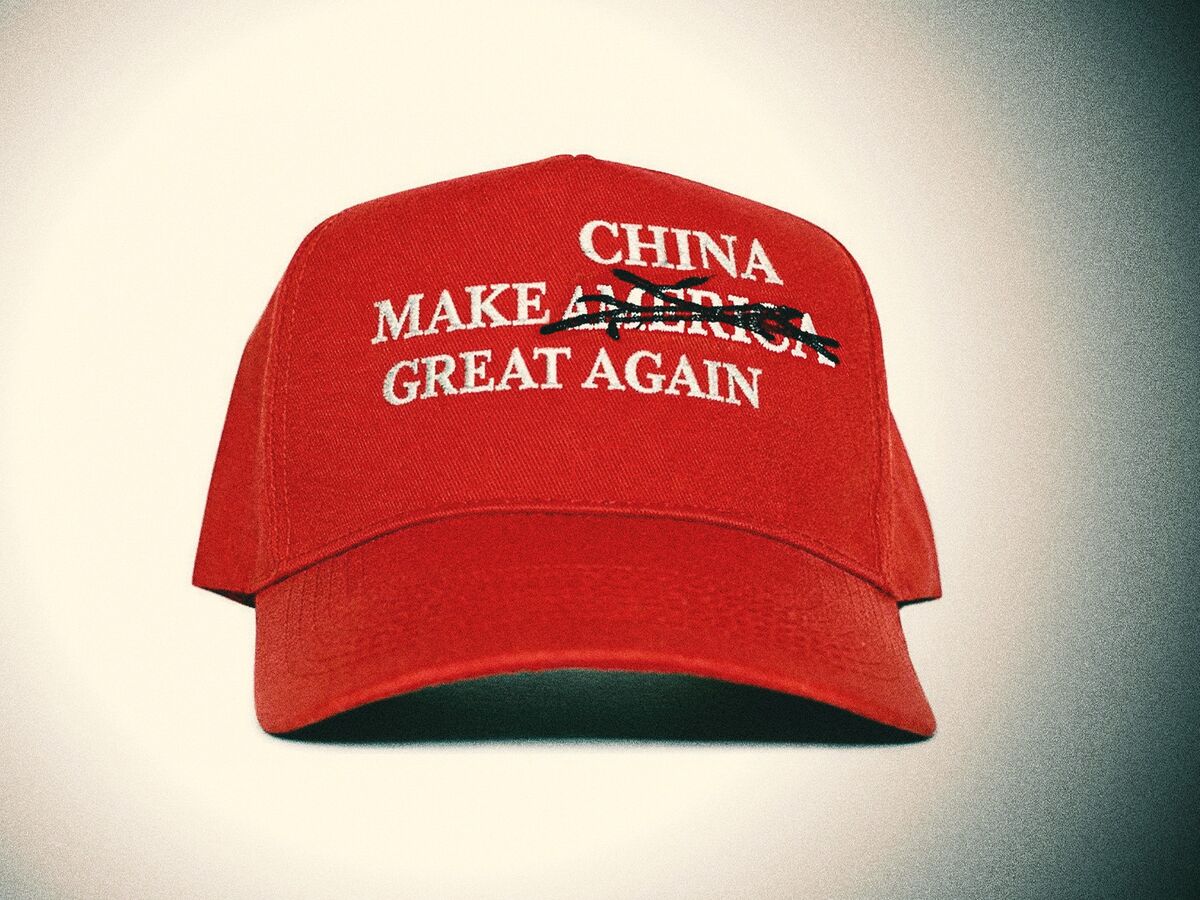
Summary: Traditional US allies increasingly view the United States as an unreliable partner under President Donald Trump and are hedging their bets by engaging more with China. European and other partners are moving toward closer ties with Beijing amid concerns about U.S. leadership fading.
What We Know
- Traditional US allies perceive the US under Donald Trump as an unreliable partner, according to recent reporting.
- Allies and partners are hedging their bets by pursuing closer ties or practical cooperation with China as a counterbalance to U.S. actions.
- European allies, in particular, are reported to be moving toward closer ties with China amid concerns about waning U.S. leadership.
- Media analysis suggests Beijing may be favorable to a broader alignment with wary partners seeking alternatives to U.S. leadership.
- The broader dynamic is framed as a shift in international relations where hedging with China becomes a strategic option for some countries.
What’s Still Unclear
- Specific countries or sectors where hedging with China is most pronounced are not detailed in the available information.
- Quantified impact of these hedges on China’s economic or strategic influence remains unreported.
- How U.S. policy changes under Trump would affect these hedging strategies is not confirmed in the provided material.
- Whether hedging translates into formal security or trade arrangements is not clarified.
Context
General background: In recent years, shifts in transatlantic and global alignments have raised questions about the durability of traditional alliances and the balance of influence between the United States and China. Analysts discuss how partners may recalibrate relationships in response to perceived gaps in U.S. leadership and to diversify strategic options.
Why It Matters
The trend toward hedging with China could influence global trade, investment, and security calculations. For Beijing, closer ties with wary partners could expand influence and create a more multipolar landscape. For U.S. policy, these dynamics may prompt a reevaluation of alliance commitments and engagement strategies to maintain reliability and credibility.
What to Watch Next
- Monitor reactions of European and other regional partners to U.S. policy signals and leadership developments.
- Watch for any formal or informal arrangements between hedging partners and China that signal deeper cooperation.
- Assess commentary from policymakers and think tanks on the implications for U.S. alliance networks.
- Evaluate shifts in trade patterns or investment flows that may reflect hedging behavior.
FAQ
Q: What does it mean that allies are hedging with China?
A: It suggests partners are seeking to diversify relationships and reduce over-reliance on the United States by engaging more with China, in ways that may include trade, investment, or dialogue on strategic issues.
Q: Which allies are most involved in hedging?
A: The available information highlights European allies but does not specify other countries or sectors in detail.
Related coverage
- China firms war outlook keyphrase: Beijing Projects Calm as
- 今日必读 伊朗对美和平方案五条件 复星旗下Club Med拟港上市 — 今日必读 伊朗针对美国和平计划提五大条件
- BASF China Petrochemicals Launch Market Impact
Source Transparency
- This article is based on a short preliminary brief and may not reflect the full details available in ongoing reporting.
- Source links are provided in the Sources section where available.
- A limited open-web check was used to clarify key details when possible; unclear items remain clearly marked.
Original brief: Traditional allies have come to see the US as an unreliable partner under President Donald Trump. Now they’re looking to hedge bets by way of China…
Sources
- How China Is Playing the Long Game With Trump
- China, US at Odds, Nations Are Forced to Choose Trade Sides
- Top US allies are turning toward China instead. Blame Trump.
- Trump Is Upsetting the US Allies Needed to Counter China
- As traditional US allies hedge their bets, will China be the one to …