
Published 2026-03-30

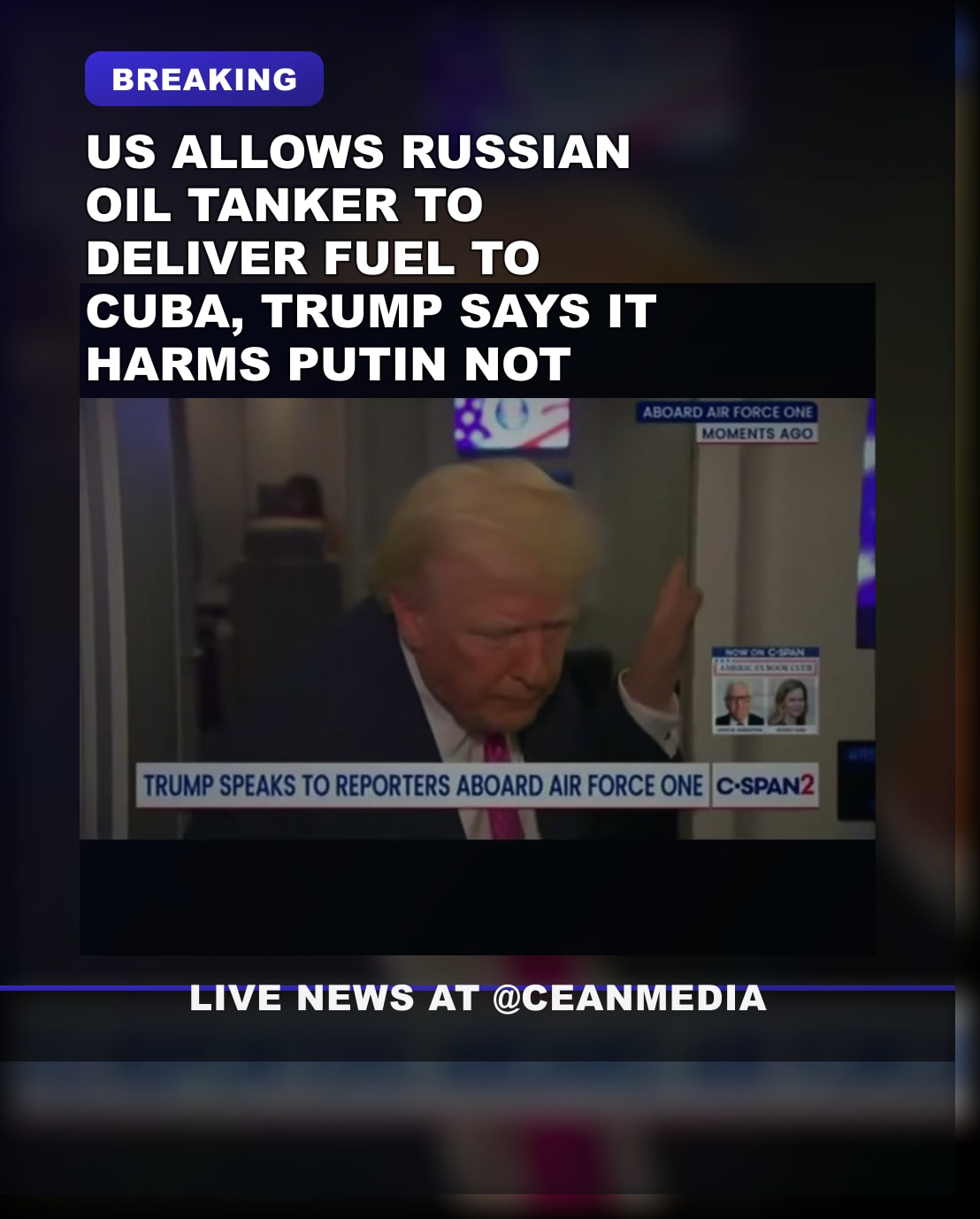
Summary: A report suggests the United States will allow a Russian oil tanker to reach Cuba, signaling a potential reversal of a de facto blockade. President Donald Trump indicated no objection to oil shipments from any country as the tanker neared Cuba.
What We Know
- A Russian tanker carrying crude oil neared Cuba, with reports that the United States would allow it to reach the island.
- U.S. President Donald Trump publicly said he had “no problem” with any country sending crude to Cuba as the tanker approached.
- The development is described as a relaxation or reversal of a blockade or de facto oil blockade on Cuba.
- Multiple sources reported the event, including outlets such as the New York Times, Reuters, and The Guardian.
- The specifics of official policy changes, tanker name, flag, and exact timing remain unclear in the available information.
What’s Still Unclear
- Whether the passage or entry of the tanker into Cuban waters was formally authorized by an official policy change or is based on informal remarks.
- The tanker’s exact status: entered Cuban waters, reached port, or approached the exclusive economic zone.
- Any broader implications for U.S. sanctions policy or international reactions to the move.
- Details about the tanker’s cargo origin, destination, and ownership beyond broad references to Russian crude.
Context
General background: The United States has historically maintained restrictions on oil shipments to Cuba, and any relaxation or change in that posture could affect Cuba’s energy supply and regional dynamics. Reports of a Russian oil tanker approaching Cuba touch on broader tensions involving Russia, sanctions, and energy diplomacy.
Why It Matters
The potential easing of a de facto blockade could impact Cuba’s energy situation, influence regional energy logistics, and shape interpretations of U.S. sanctions policy toward Cuba and Russia.
What to Watch Next
- Official clarification from U.S. authorities on whether a policy change occurred.
- Confirmation of the tanker’s exact route and current status in Cuban waters or ports.
- Reactions from Cuba, Russia, and other regional actors to the reported development.
- Any follow-up statements from U.S. or international authorities about sanctions and energy shipments to Cuba.
FAQ
Q: Is this definitively a policy reversal by the United States?
A: Based on available reports, it is not confirmed that an official policy change occurred; remarks were cited as signaling a potential change.
Q: What is known about the tanker itself?
A: Details such as the tanker’s name, flag, and cargo specifics are not provided in the available information.
Related coverage
- Diesel prices hit construction industry in NZ as fuel costs
- Anwar Urges Officials to Avoid Quick Release of Anti graft
- KGB Defector Warns on Soviet subversion propaganda strategy
Source Transparency
- This article is based on a short preliminary brief and may not reflect the full details available in ongoing reporting.
- Source links are provided in the Sources section where available.
- A limited open-web check was used to clarify key details when possible; unclear items remain clearly marked.
Original brief: Reporter: There’s a report that USA will let a Russian oil tanker go to Cuba?
Trump: If a country wants to send some oil into Cuba, I have no problem with that.
R: Do you worry that it helps Putin?
T: It doesn’t help him. He loses one boatload of oil (…) It doesn’t bother me…
Sources
- U.S. to Allow Russian Oil Tanker to Reach Cuba, Breaking Blockade
- Trump reverses course on Cuban oil blockade, allows Russian tanker to …
- US will reportedly allow Russian oil tanker to reach Cuba amid blockade …
- Trump reverses course, allows passage of Russian oil tanker to Cuba – CNBC
- Sanctioned Russian Oil Tanker Enters Sanctioned Cuba's Waters, Possibly …