
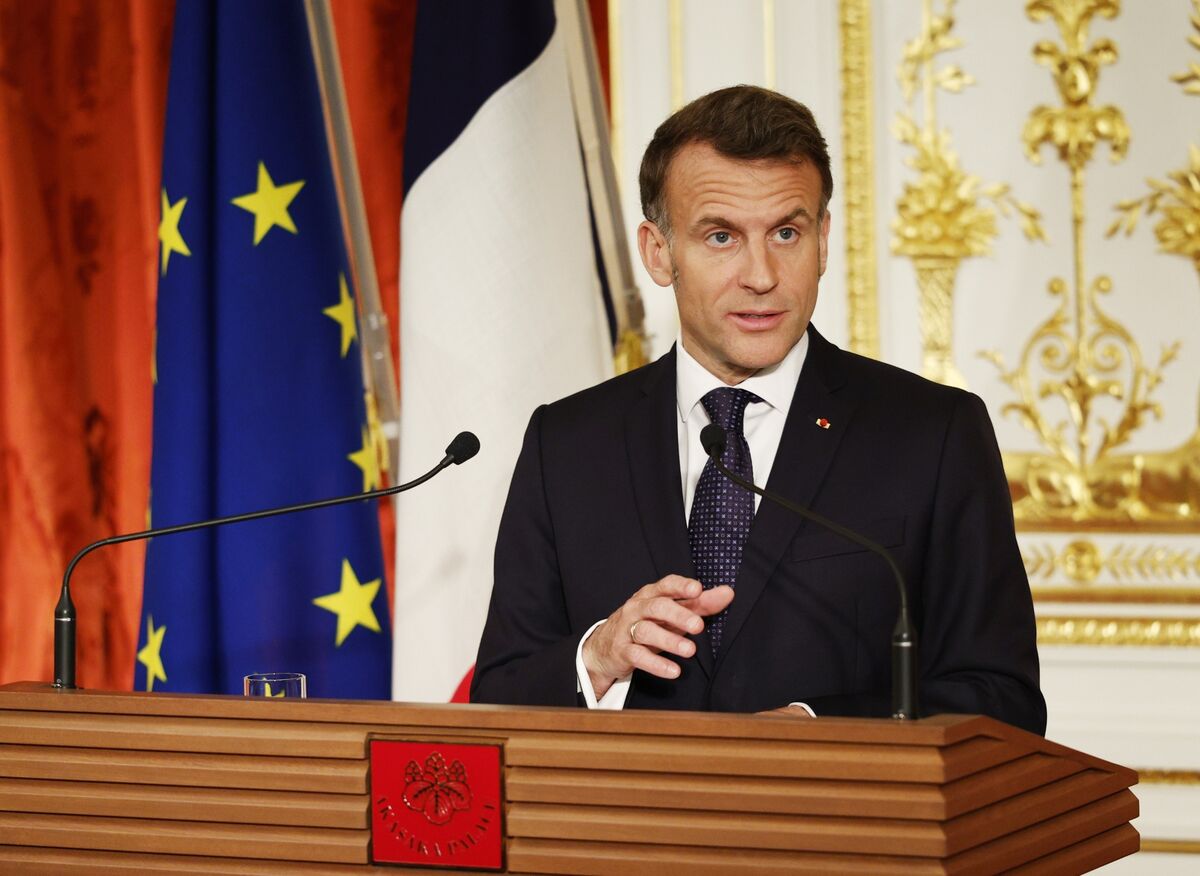
Published 2026-04-03
Summary: French President Emmanuel Macron sees potential for cooperation with South Korea to stabilize the Strait of Hormuz, but only once bombing ends. He also stresses that military action to open Hormuz is unrealistic and should be pursued through dialogue with Iran. Both nations are seeking to upgrade ties with a focus on energy security amid the Middle East crisis.
What We Know
- Macron says there is scope for France and South Korea to work toward stability in the Strait of Hormuz, but only once bombing ends.
- Macron urges reopening the Strait of Hormuz through dialogue and cooperation with Iran, and says military action to open Hormuz is unrealistic and high risk.
- South Korea and France aim to upgrade ties, focusing on energy security and economic cooperation amid the Middle East crisis.
- Macron’s visit to South Korea and Japan highlights concern about war in Iran and energy implications from Hormuz blockage.
What’s Still Unclear
- Exact form and timeline of any concrete cooperation initiatives between France and South Korea beyond the stated scope and conditions.
- Details of what constitutes ‘ending bombing’ and who is involved in that condition.
- Specific mechanisms for energy security collaboration between South Korea and France related to Hormuz tensions.
- Whether other regional actors will be involved in any planned stability efforts.
Context
General background only (no invented specifics).
Why It Matters
The Strait of Hormuz is a strategic chokepoint for global energy flows. Statements about cooperation and diplomacy reflect ongoing efforts by major partners to manage regional tensions without escalating military confrontations, with potential implications for energy security and international relations in the Middle East.
What to Watch Next
- Any official announcements detailing a framework for France-South Korea cooperation on Hormuz stability.
- New diplomatic developments or negotiations with Iran that could facilitate smoother passage through Hormuz.
- Updates on energy security arrangements between France and South Korea in the context of Middle East tensions.
- Public responses from other regional players to Macron’s and Seoul’s positions.
FAQ
Q: What is the primary condition for Franco-South Korean cooperation on Hormuz stability?
A: It would be pursued only after bombing ends, according to Macron.
Q: Does Macron support opening Hormuz by force?
A: No, he regards military action to open Hormuz as unrealistic and high risk, advocating dialogue and cooperation with Iran instead.
Related coverage
- ISIS calls for arson attacks Easter weekend
- Trump Iran prime time address impact: market jitters ripple
- Cost of war for taxpayers: rising US Middle East costs
Source Transparency
- This article is based on a short preliminary brief and may not reflect the full details available in ongoing reporting.
- Source links are provided in the Sources section where available.
- A limited open-web check was used to clarify key details when possible; unclear items remain clearly marked.
Original brief: French President Emmanuel Macron sees scope for cooperation with South Korea to stabilize the situation in the Strait of Hormuz, but only once bombing ends…
Sources
- Macron Says France, South Korea Can Work Toward Hormuz Stability
- Macron says it is unrealistic to open Hormuz Strait by force
- Macron Calls Military Action in Strait of Hormuz 'Unrealistic,' Urges …
- South Korea, France to upgrade ties as Macron trip
- Macron visits Japan and South Korea, both worried about war in Iran