
Published 2026-04-04

Summary: Somalia has reacted to a Google Maps border depiction that separates Somaliland from Somalia, with Somalis on social media framing the move as a violation of sovereignty. The broader geopolitical reactions around recognition and regional influence are referenced in related reports, but concrete statements directly from Somali officials regarding Google remain unclear in the provided sources.
What We Know
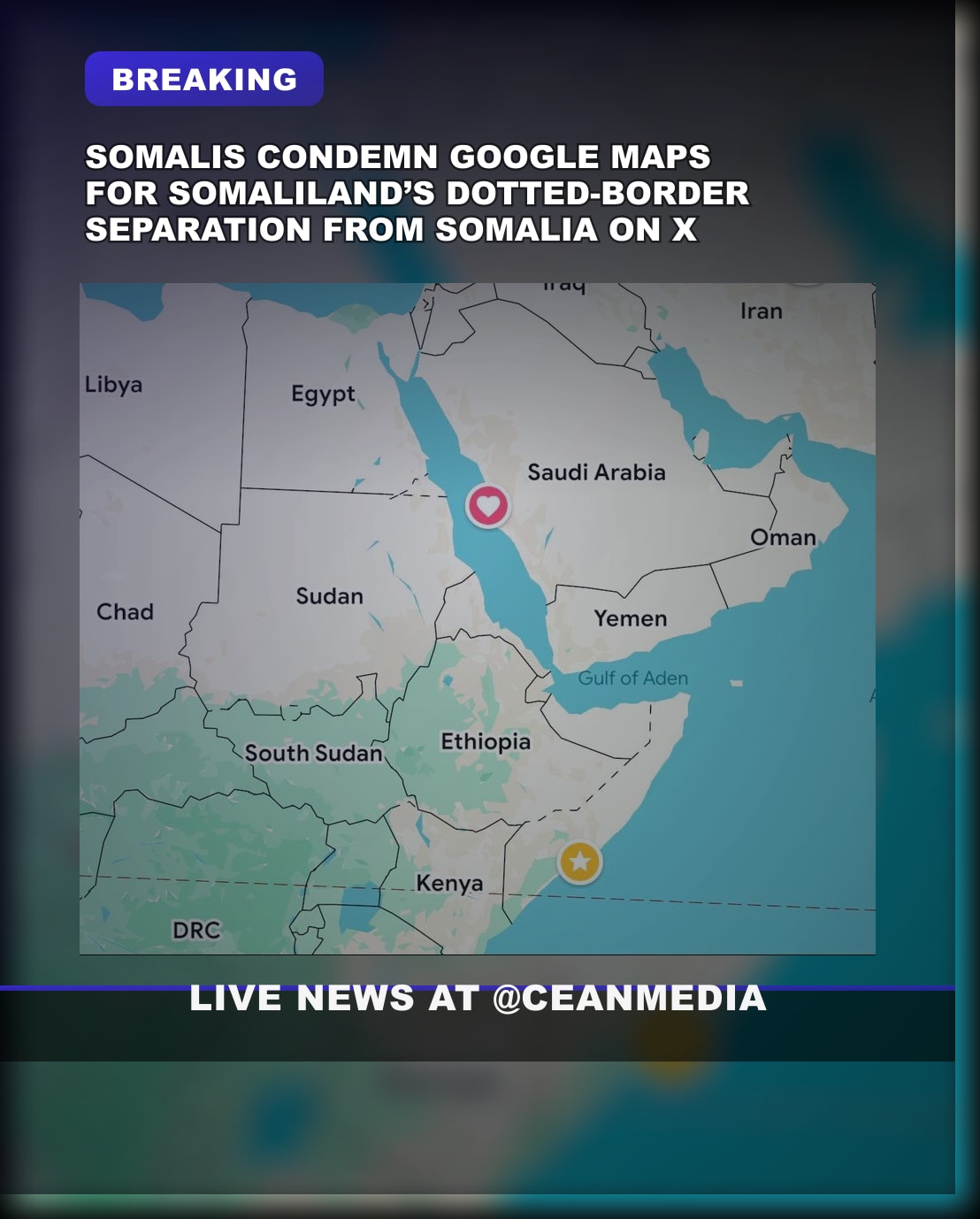
- Google Maps reportedly separated Somaliland from Somalia with a dotted border on the map, provoking a reaction from Somalis who described it as a sovereignty violation.
- Some sources indicate a broader context of regional and international responses to Somaliland’s status and recognition dynamics, including mentions of external actors and sovereignty concerns.
- As part of the wider discourse, there are mentions of Somalia vowing to defend its sovereignty and discussions about regional interests affecting Somaliland and Somalia relations.
- The available background references include ongoing disputes in the region that involve Somaliland and Puntland, highlighting a broader landscape of territorial and sovereignty issues.
What’s Still Unclear
- Whether there is an explicit, direct statement from Somalia’s government slamming Google over the Somaliland border depiction.
- Specific details of any formal government or diplomatic actions in response to Google Maps’ border representation.
- Exact language or quotes from Somali officials or other stakeholders regarding the issue.
- Whether there have been any official U.S./EU or regional reactions tied specifically to this border depiction.
Context
Contextual background centers on the long-standing, disputed status of Somaliland (a self-declared, unrecognised state) and its relationship with Somalia, along with regional disputes involving Puntland. The broader geopolitical environment includes debates over sovereignty, recognition, and external influence in the Horn of Africa.
Why It Matters
The depiction of borders on major mapping platforms can influence perceptions of sovereignty and territorial claims, potentially affecting diplomacy, domestic politics, and regional stability. How authorities and international partners respond may shape future discourse on recognition and borders in the region.
What to Watch Next
- Official statements from Somali authorities regarding the Google Maps border depiction, if any.
- Any clarifications or updates from Google Maps or Google about border representations in the Horn of Africa.
- Regional reactions from international players or organizations related to Somaliland’s status and sovereignty debates.
- Subsequent developments in Somaliland-Somalia relations that may influence border narratives.
FAQ
Q: Did Somalia officially condemn Google Maps over Somaliland’s border depiction?
A: Not confirmed in the available information.
Q: Are there any concrete actions planned by Somalia in reaction to the border depiction?
A: Not confirmed in the available information.
Related coverage
- Defensive Fight Against Extremism: Islamism threat rhetoric
- Bullying in park children racism: Mother recalls teen group
- Italy’s Good Friday funeral procession: The Black
Source Transparency
- This article is based on a short preliminary brief and may not reflect the full details available in ongoing reporting.
- Source links are provided in the Sources section where available.
- A limited open-web check was used to clarify key details when possible; unclear items remain clearly marked.
Original brief: After Google Maps separated the de facto independent but unrecognised State of Somaliland from Somalia with a dotted border, Somalis took to X to calling it a “significant violation and infringement of our sovereignty”….
Sources
- Puntland-Somaliland dispute – Wikipedia
- Airspace Dispute Deepens as Somalia and Somaliland Clash Over Flydubai …
- The proxy war in Somalia. The Ethiopia-Somaliland maritime deal… | by …
- EU backs Somalia after Israel recognizes Somaliland – dw.com
- Somalia's Mohamud slams Israel's 'interference', rejects base on Somaliland