
Published 2026-04-05

Summary: The piece examines ongoing scrutiny of Iran’s morality police in the aftermath of Mahsa Amini’s death, and the continuing debate over the role and power of enforcement of dress codes in public, with context drawn from the two-year anniversary of the protests and subsequent crackdowns.
What We Know
- Mahsa Amini died in custody after being detained by Iran’s morality police for alleged non-compliance with the Islamic dress code.
- The crackdown by the morality police after Amini’s death has continued and drawn scrutiny two years later.
- Public attention surrounding the morality police has persisted as part of the broader Woman, Life, Freedom protest movement and its aftermath.
What’s Still Unclear
- Specific new actions or reforms regarding the morality police that have occurred or are being discussed is not detailed in available information.
- Exact dates or events linking current scrutiny to particular officials, courts, or policy changes are not confirmed in the provided sources.
- How international or regional responses have evolved in direct relation to the morality police’s conduct post-Amini is not specified beyond general references.
Context
Contextual background: In Iran, the Gashte Ershad, often described as the morality police, enforces dress and behavior codes in public. Mahsa Amini’s death while in custody sparked widespread protests and a long-running debate about gender norms, state enforcement, and human rights. Reporting on the two-year mark highlights ongoing scrutiny of security forces and enforcement practices tied to dress codes.
Why It Matters
The issue touches on civil liberties, women’s rights, and the limits of state enforcement in Iran, with potential implications for domestic policy, human rights monitoring, and regional geopolitics as authorities faced continued scrutiny and public protest in the years following Amini’s death.
What to Watch Next
- Any official statements or policy proposals related to the morality police and dress-code enforcement.
- Updates on human rights monitoring and international responses connected to Iran’s enforcement practices.
- Anniversaries or commemorations linked to the Woman, Life, Freedom movement and any related government actions.
FAQ
Q: What is the morality police in Iran?
A: It refers to the enforcement body known formally as the guidance patrol, involved in enforcing dress and behavior codes in public; its actions in relation to Mahsa Amini’s death remain a focal point of scrutiny.
Q: Why is Mahsa Amini’s case still discussed?
A: Her death followed by protests and ongoing scrutiny of enforcement practices has kept the case symbolically central to debates over rights, state power, and gender norms in Iran.
Related coverage
- Iran Basij militia killings: security forces recover Basij
- Iranian morality police arrest death Mahsa Amini sparks
- Iranian elite emigration hopes: Regime elites’ children
Source Transparency
- This article is based on a short preliminary brief and may not reflect the full details available in ongoing reporting.
- Source links are provided in the Sources section where available.
- A limited open-web check was used to clarify key details when possible; unclear items remain clearly marked.
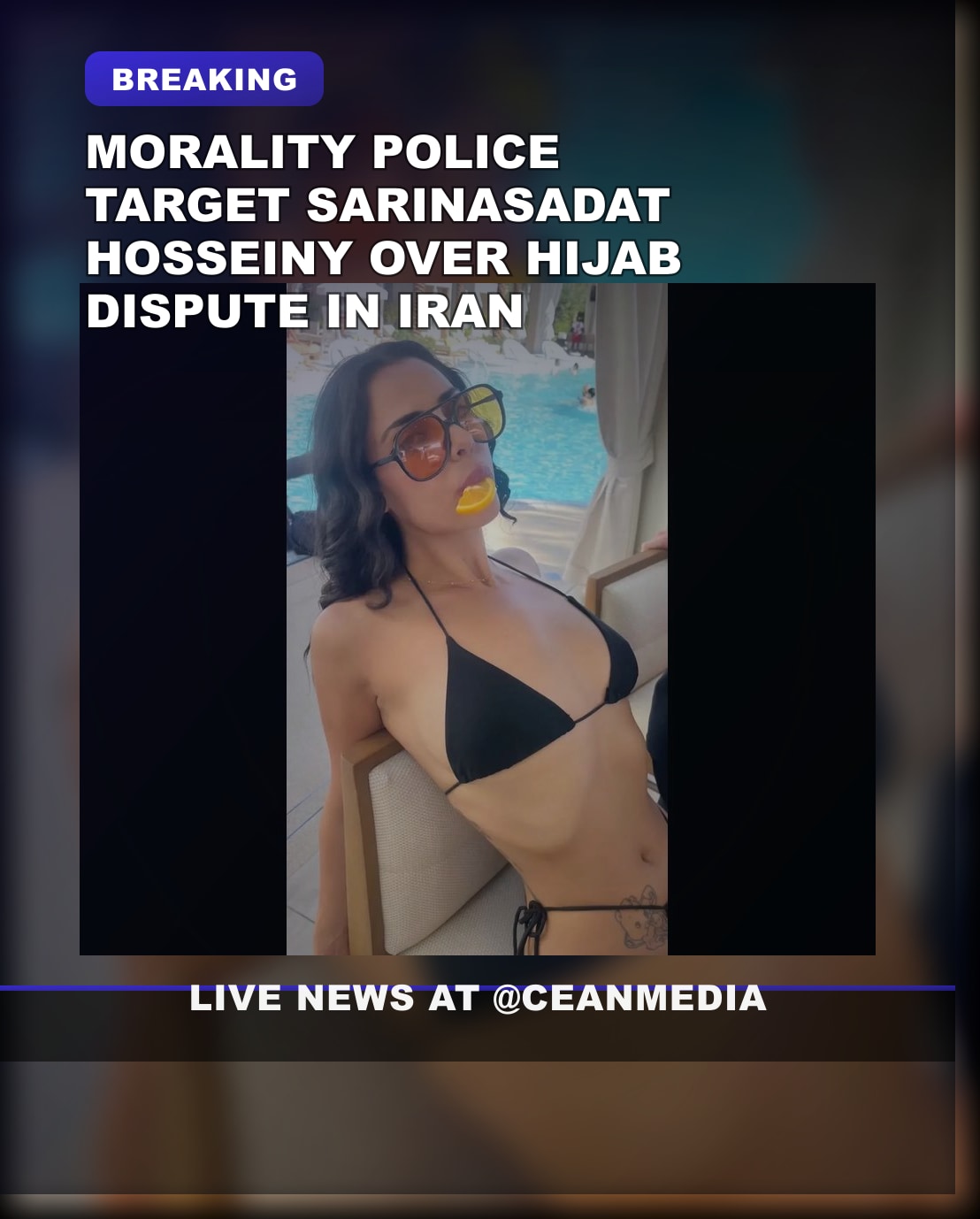
Original brief: Mahsa Amini was killed for not wearing a hijab.
What would the morality police do to Sarinasadat Hosseiny if they got their hands on her?…
Sources
- US condemns Iran death sentences for Woman, Life, Freedom protesters
- Two-year anniversary of the Mahsa Amini protests in Iran
- In Iran, the brutal crackdown that followed Mahsa Amini's death …
- Two years after Mahsa Amini's death, Western allies sanction dozen …
- Mahsa Amini's killing, state violence, and moral policing in Iran