
Published 2026-04-08
Summary: Risk-on assets have risen on optimism surrounding a ceasefire, with particular attention to how the development could ease tensions and support global energy supplies. Market participants are signaling tentative relief as negotiations progress, sparking a broad risk-on move across assets.
What We Know
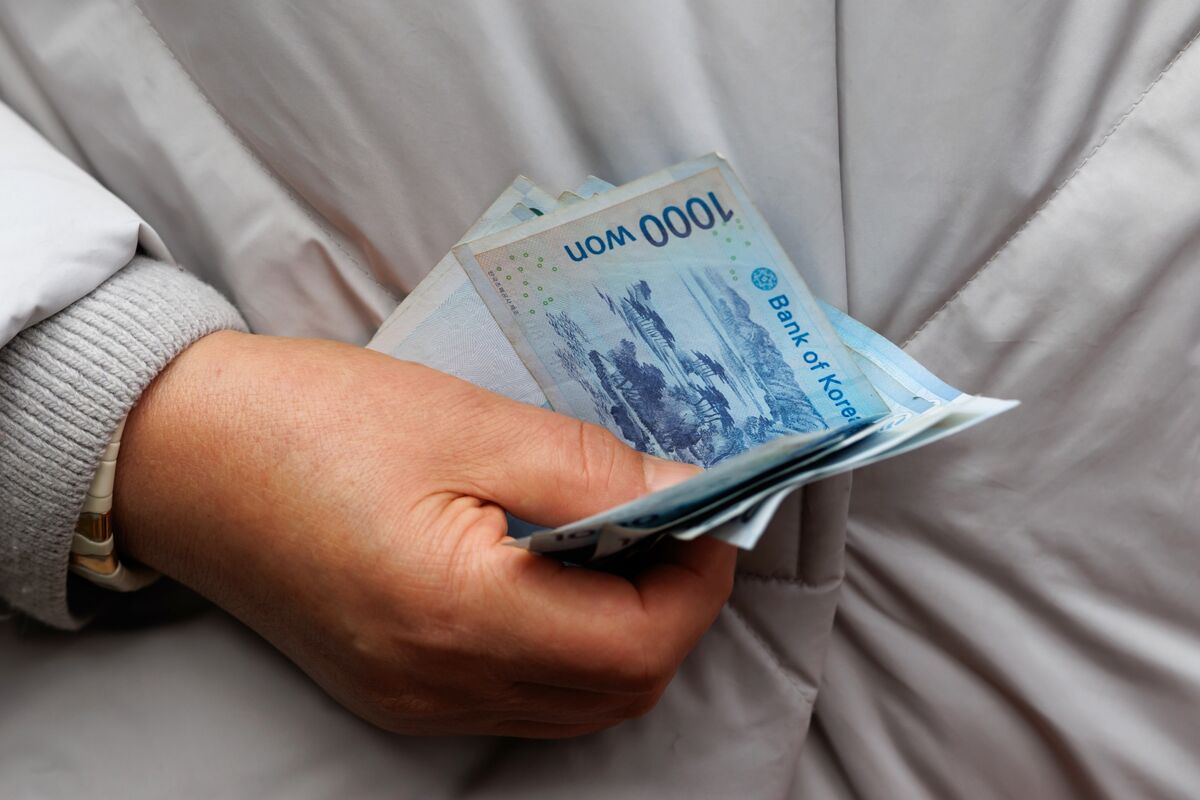
- South Korean assets surged following reports that a two-week ceasefire with Iran was agreed, helping ease fears of prolonged disruption to energy supplies.
- Market sentiment shifted toward a risk-on stance as optimism about a possible conflict resolution grew.
- Analysts describe the rebound as a response to perceived de-escalation and the potential for stability that could benefit global markets.
What’s Still Unclear
- The exact scope and durability of the ceasefire remain uncertain, with questions about long-term effects on energy markets and supply chains.
- Details on which specific markets or asset classes are rising (stocks, bonds, commodities) are not consistently defined across sources.
- The transmission mechanism from ceasefire optimism to changes in inflation or central bank policy expectations is not clearly outlined.
Context
Geopolitical tensions in the Middle East and related regional dynamics often influence energy markets and global risk sentiment. Developments that reduce risk of disruptions can trigger broader risk-on behavior among investors and affect cross-asset pricing.
Why It Matters
Assessing how ceasefire optimism translates into market dynamics helps investors adjust strategies in a volatile environment and policymakers gauge potential implications for energy security and macroeconomics.
What to Watch Next
- Follow any official statements or negotiations for signs of durability or expansion of ceasefire terms.
- Monitor energy market indicators and supply-chain updates for evolving risk assessments.
- Track central bank communications for shifts in inflation and growth expectations in response to geopolitical developments.
FAQ
Q: What sparked the recent market rally?
A: Optimism about a ceasefire and potential de-escalation in conflict risks, which eased fears of energy disruptions, spurred a risk-on move.
Q: Are the effects considered temporary or durable?
A: It is not confirmed how long the effects will last; analysts note uncertainty around the duration and impact on inflation and policy.
Related coverage
- Copper rose on ceasefire news: Iran to reopen Hormuz
- Iran Hormuz passage authorization: Strait of Hormuz open
- Iran missile attack escalation: missiles fired after
Source Transparency
- This article is based on a short preliminary brief and may not reflect the full details available in ongoing reporting.
- Source links are provided in the Sources section where available.
- A limited open-web check was used to clarify key details when possible; unclear items remain clearly marked.
Original brief: South Korean assets surged after US President Donald Trump agreed to a two-week ceasefire with Iran, easing fears of prolonged disruptions to global energy supplies and triggering a broad risk-on move…
Sources
- Geopolitical Risk and Market Reallocation: The Gaza Ceasefire's Global …
- Risk assets rebound amid war optimism | Convera
- Markets rise after ceasefire between Israel and Iran appears to hold …
- Global Markets Rebalance as Israel-Iran Ceasefire Triggers Risk Rally …
- Risk-On or Risk-Off? Decoding Market Signals After the Gaza Deal