
Published 2026-04-10

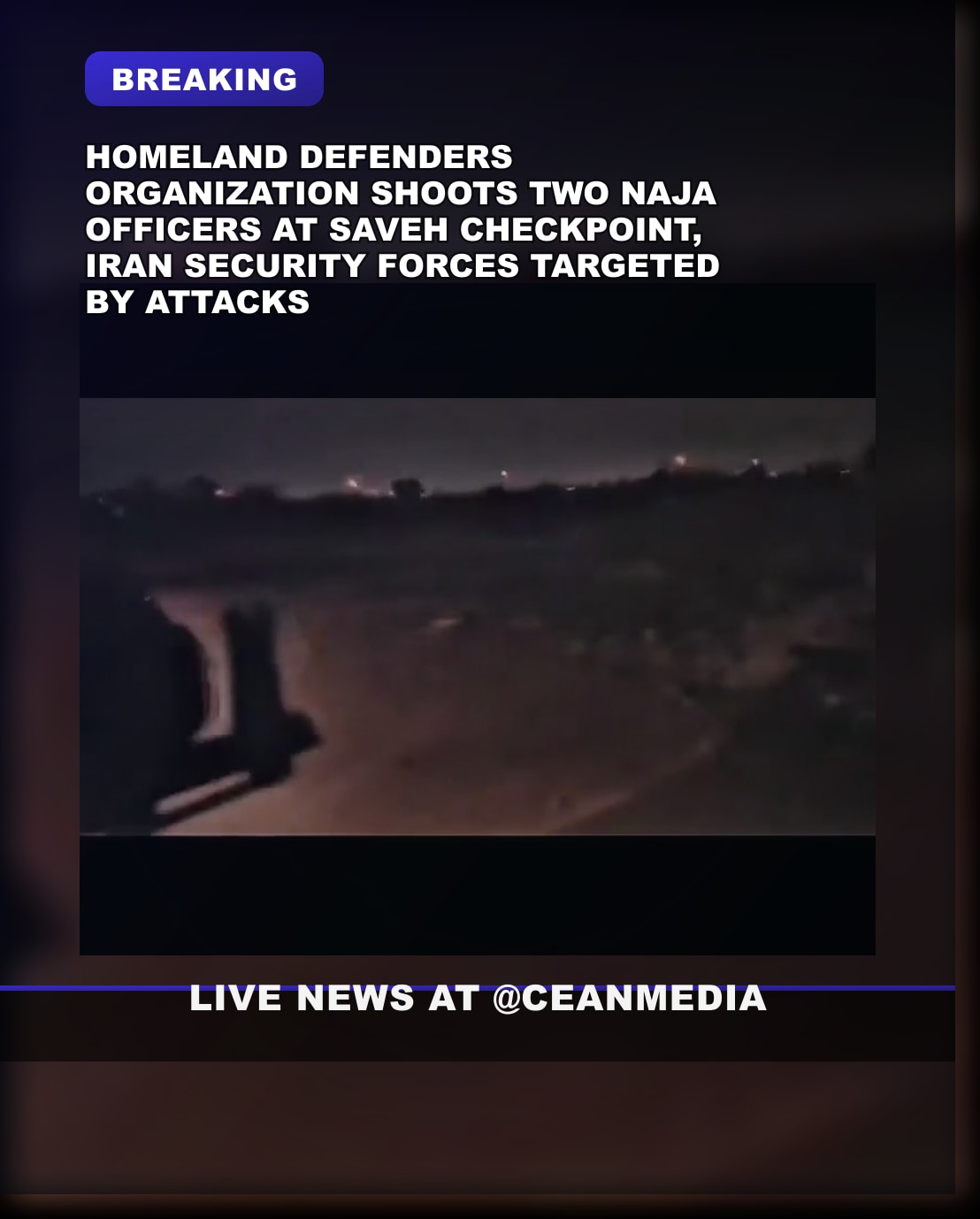
Summary: Reports indicate a rise in drive-by shooting attacks targeting Iran’s security forces, with claims that a newly formed group, the Homeland Defenders Organization, killed two NAJA officers at a checkpoint near Saveh, close to Qom. Independent verification and casualty figures remain uncertain.
What We Know
- There are increasing reports of drive-by shooting attacks against Iran’s security forces.
- A claim attributes the killings to a newly formed group named the Homeland Defenders Organization, targeting a checkpoint in Saveh near Qom.
- public sources notes that checkpoints and street-level security units are becoming focal points in what is described as a new phase of the Iran war, with positions possibly moved or dismantled after exposure.
- Analyses referenced in the context discuss a widening crisis for Iran’s internal security forces following regional strikes around Tehran.
- Overall, there is no independently verified casualty figure confirmed in the current materials beyond the claim of two NAJA officers killed at a checkpoint.
What’s Still Unclear
- Whether the two officers claimed to be killed are specifically NAJA officers or the exact identities involved.
- Independent verification of the claims from the Homeland Defenders Organization or other confirmatory sources.
- The precise location, timing, and scope of subsequent attacks beyond the Saveh checkpoint incident.
- The broader casualty figures for security forces or protesters related to these events.
Context
General regional tensions involve security forces amid ongoing conflict dynamics in the Middle East, with reports of attacks on security infrastructure and concerns about the resilience of internal security arrangements. Analysts are watching how such incidents may influence the security environment around major urban centers and national security operations.
Why It Matters
Events described here relate to internal security stability and the broader Iranian security posture amid regional tensions. Understanding these incidents helps gauge whether attacks on security forces are becoming more frequent and how authorities respond, which can affect civilian safety, information reporting, and regional security calculations.
What to Watch Next
- Look for independent verification of casualty figures and claims from the Homeland Defenders Organization.
- Monitor reports on the frequency and locations of drive-by or checkpoint-targeted attacks.
- Watch for official statements from Iranian security services or government spokespeople clarifying incidents and responsibilities.
- Pay attention to any changes in security posture around checkpoints and in urban security units.
FAQ
Q: Are two NAJA officers confirmed killed?
A: Not confirmed in the information available; claims exist but require independent verification.
Q: Who is the Homeland Defenders Organization?
A: The sources describe it as newly formed; additional details and corroboration are not provided.
Related coverage
- Gold steadies as Trump optimistic Iran deal
- Political risk assessment guess: Ceasefire News pushes Iran
- Trump Iran tanker fees warning: Iran over fees in Hormuz
Source Transparency
- This article is based on a short preliminary brief and may not reflect the full details available in ongoing reporting.
- Source links are provided in the Sources section where available.
- A limited open-web check was used to clarify key details when possible; unclear items remain clearly marked.
Original brief: BREAKING:
There are more and more drive-by shooting attacks against the security forces of the Islamic regime in Iran.
Yesterday, the newly-formed Homeland Defenders Organization shot and killed 2 NAJA officers at a checkpoint in Saveh, near Qom….
Sources
- Checkpoint attacks open new front in Iran war | Iran International
- Intelligence assessment: Casualties and confusion grip Iran's internal …
- Iran says over 100 officers killed as protesters defy government …
- Hundreds of organised protests show resilience of Iranian regime …
- Iran's Revolutionary Guards: The Spine of a Militarized State