
Published 2026-04-12
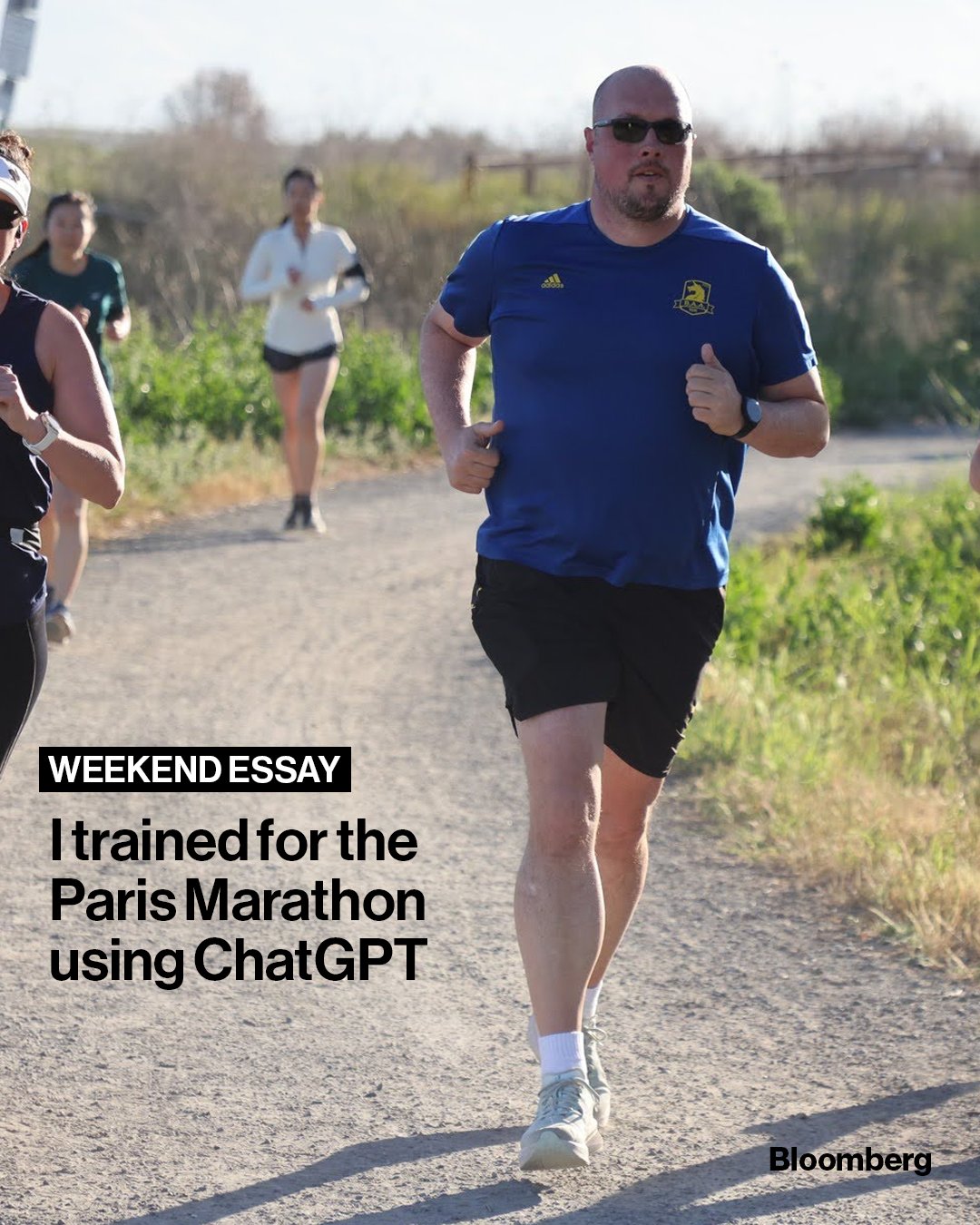
Summary: A journalist used ChatGPT to design a 24-week training plan for the Paris Marathon, exploring AI-assisted training, diet, and discipline. Reported outcomes include notable weight loss and finishing under four hours, though specifics and verification remain unclear.
What We Know
- A journalist used ChatGPT to create a 24-week marathon plan focused on training, diet, and discipline for the Paris Marathon.
- The approach is described as a trial-and-error test of what AI can and cannot do in the context of endurance training.
- The original reporting cites a Bloom/LinkedIn context as the source of the narrative.
- The details of the diet plan and training specifics are not fully disclosed in the available materials.
What’s Still Unclear
- Whether the results are independently verified or self-reported by the journalist.
- Exact methods, constraints, or safety considerations used in the AI-generated plan.
- Sample size or broader applicability beyond a single case study.
- Precise timelines and milestones within the 24-week plan.
- Any follow-up assessments or post-marathon reflections tied to the AI-assisted approach.
Context
The use of AI tools to assist with personal training and lifestyle decisions has drawn attention as AI capabilities expand beyond purely cognitive tasks. This instance involves an individual journalist experimenting with AI guidance for endurance training, highlighting both potential benefits and limitations of AI in real-world, non-digital domains such as athletic preparation.
Why It Matters
The episode illustrates how AI can be applied to structured, long-term planning in health and fitness, revealing both the practical value and the cautions of reliance on automated guidance. It raises questions about accountability, accuracy of AI-generated plans, and the need for human oversight in training regimens.
What to Watch Next
- Independent verification or replication of AI-assisted training outcomes in other athletes or journalists.
- Deeper examinations of how AI-generated diets compare with traditional, evidence-based training approaches.
- Discussions on best practices for integrating AI tools into professional athletic preparation with safety considerations.
- Updates on user experiences, including long-term effects and sustainability of AI-guided training plans.
FAQ
Q: What exactly did the AI plan include?
A: The available materials indicate a 24-week plan focused on training, diet, and discipline, but do not reveal the detailed content.
Q: Were results independently verified?
A: It is not confirmed in the available information whether outcomes were independently verified or self-reported.
Related coverage
- Elon Musk Shifts Tactics in lawsuit, calling it a legal
- Netherlands approves Tesla FSD: Europe’s first approval
- Mythos AI cybersecurity implications: Escalation and hidden
Source Transparency
- This article is based on a short preliminary brief and may not reflect the full details available in ongoing reporting.
- Source links are provided in the Sources section where available.
- A limited open-web check was used to clarify key details when possible; unclear items remain clearly marked.
Original brief: With the Paris Marathon looming, Derek Wallbank turned to ChatGPT for training, diet and discipline. What followed was a trial-and-error test of what AI can and cannot do. Read more:
http://
bloom.bg/4ebQG8S: Ray Lin…
Sources
- With the Paris Marathon looming, I built a ChatGPT project for training …
- I Trained for the Paris Marathon Using ChatGPT | Bloomberg News – LinkedIn
- ChatGPT Marathon Coach: 20‑lb Loss & Faster Times – tamiltech.in
- AI-Assisted Endurance Training: What 2023-2025 Research Shows (Science …
- Journalist Shares Experience of Using ChatGPT to … – intellectia.ai