
Published 2026-04-12
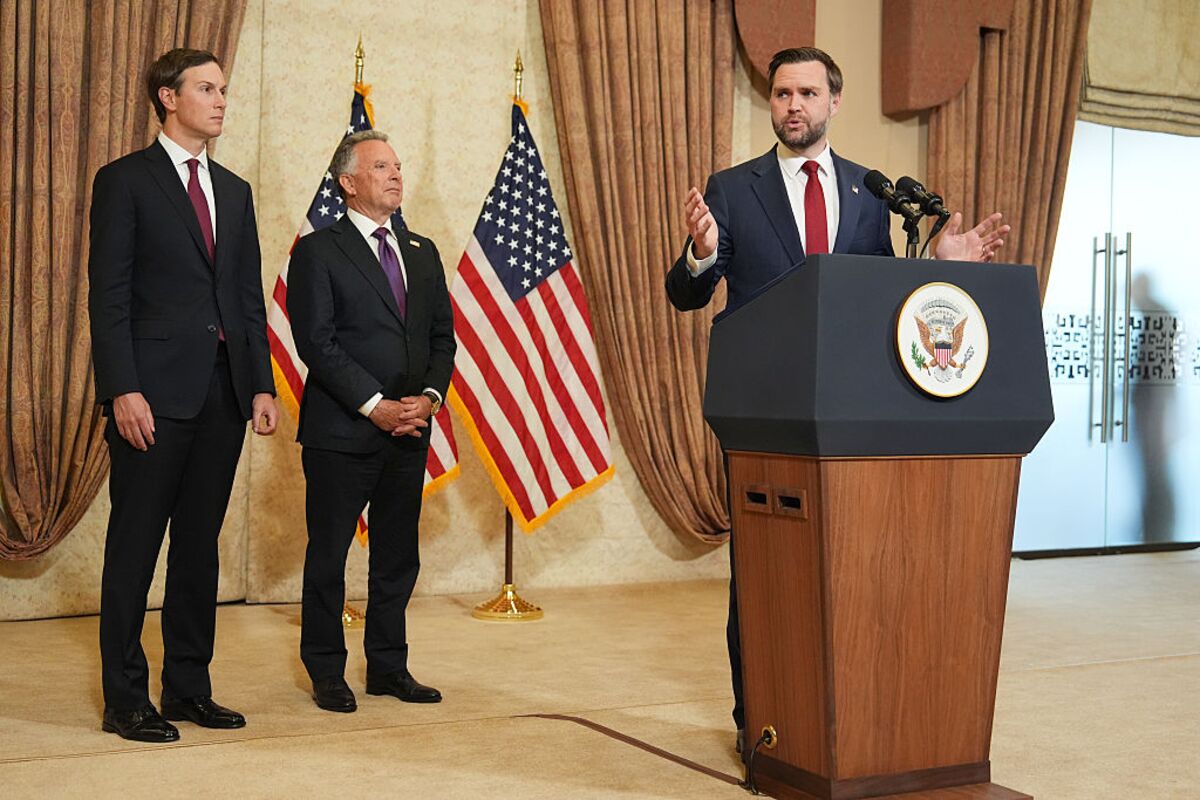
Summary: Vice President JD Vance’s trip to Islamabad to push for an agreement between the United States and Iran concluded without a deal after marathon talks, according to reports. Vance announced that no agreement had been reached and departed Pakistan after about a day of discussions.
What We Know
- Vice President JD Vance traveled to Islamabad with the aim of advancing U.S.-Iran talks.
- Talks in Islamabad involved U.S. and Iran officials and were conducted in Pakistan’s capital.
- After lengthy discussions, Vance announced that an agreement had not been reached.
- Initial reporting characterizes the failure as a setback for at least one side, with some emphasis on the implications for Iran.
- Public coverage notes the departure from Islamabad without a deal and frames the episode as a diplomacy setback for the administration.
What’s Still Unclear
- Precise time length of the negotiations is variably reported; the most specific figure (21 hours) appears only in some sources.
- Detailed terms of what was sought or proposed by each side are not provided in the available material.
- How this outcome will affect ongoing or future diplomacy with Iran or related regional dynamics remains to be confirmed.
- Whether Vance or other U.S. officials described the talks as a broader diplomacy failure versus a tactical setback is not uniformly stated.
Context
General background on U.S.-Iran diplomacy involves periodic high-level talks aimed at easing tensions and addressing nuclear, security, and regional issues. Diplomatic missions often involve multiple stakeholders and can be affected by domestic politics, regional concerns, and external pressures. The Islamabad visit appears to be part of a broader effort to shape talks in a way that could lead to a formal agreement, though recent reports indicate no deal was reached during this trip.
Why It Matters
The outcome underscores the challenges of achieving consensus in high-stakes diplomacy with Iran. A failure to secure an agreement can influence U.S. leverage, regional stability, and the calculus of policymakers ahead of future negotiations.
What to Watch Next
- Any official statements detailing the reasons for the failure and potential next steps.
- Subsequent diplomatic moves by the United States or partners in relation to Iran.
- Reactions from international actors and regional stakeholders to the Islamabad talks outcome.
- Media updates on whether new channels or venues are pursued for future talks.
FAQ
Q: What happened in Islamabad?
A: Reports indicate that U.S. and Iran talks in Islamabad did not produce an agreement, and Vice President JD Vance left without a deal.
Q: Who announced the outcome?
A: Public reporting attributes the announcement of no agreement to JD Vance after the talks.
Related coverage
- Trump Declares Full Naval Blockade Hormuz, Barring Iranian
- Ro Khanna Advocates Silicon Valley populist strategy for
- Swedish Forces Seize Bulk Carrier Hui Yuan Near Ystad —
Source Transparency
- This article is based on a short preliminary brief and may not reflect the full details available in ongoing reporting.
- Source links are provided in the Sources section where available.
- A limited open-web check was used to clarify key details when possible; unclear items remain clearly marked.
Original brief: Vice President JD Vance landed in Islamabad on Saturday tasked with ending six weeks of war and overcoming 47 years of enmity — 21 hours later, he flew home without a deal….
Sources
- JD Vance says talks failed due to Iran's refusal to give up nuclear …
- US-Iran peace talks end without agreement, Vance leaves Pakistan – MSN
- What Now? Vance Leaves Iran Talks Without a Deal.
- Vance says no agreement reached with Iran after marathon talks in Islamabad
- No Deal: U.S.-Iran peace talks in Islamabad fall through : NPR