
Published 2026-04-14

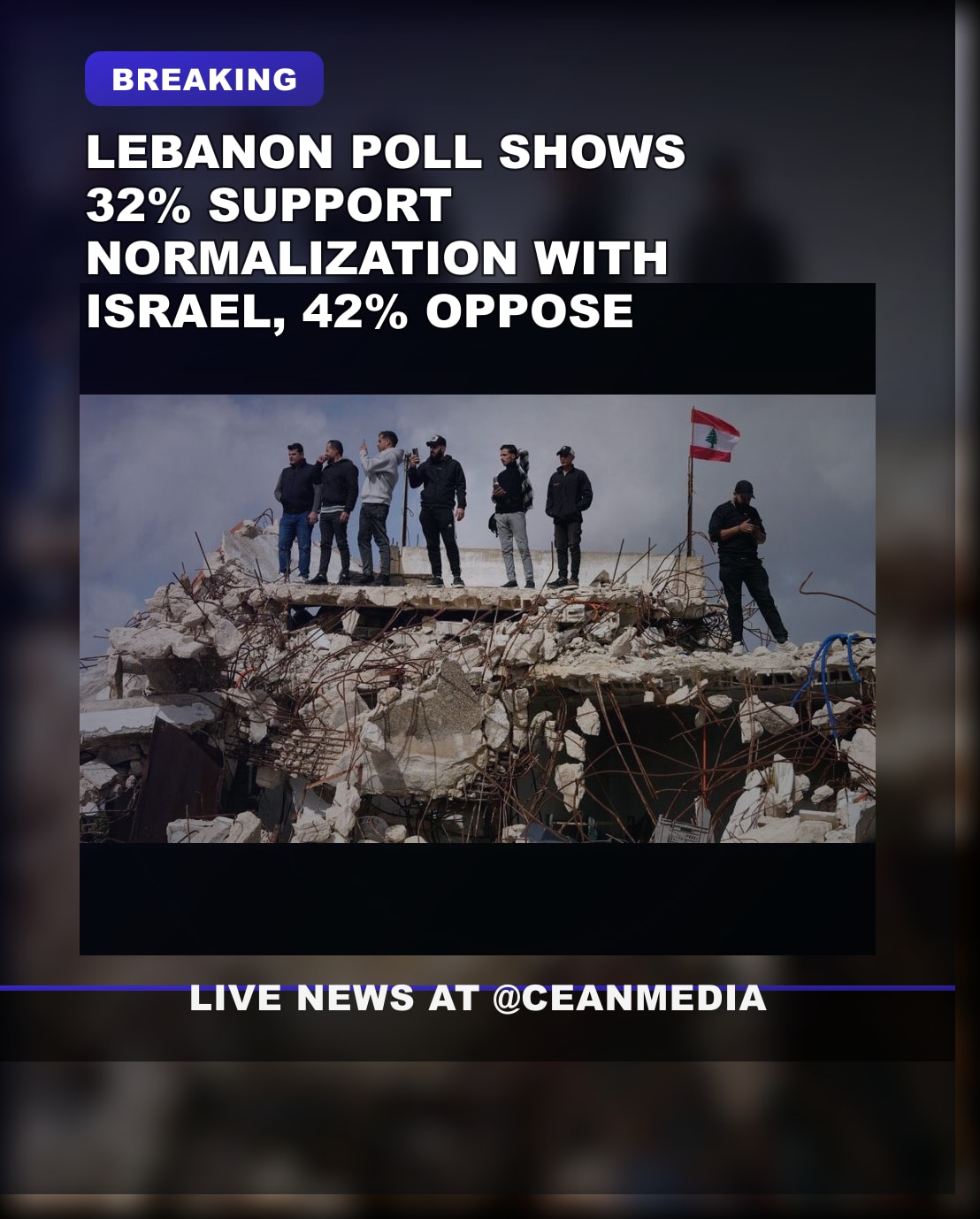
Summary: A new poll indicates mixed Lebanese attitudes toward normalization with Israel, with 32% supporting normalization, 42% opposing peace, and 25% undecided. The finding is presented as a potential sign of shifting public opinion, though other polls show strong hostility toward Israel in the region.
What We Know
- A poll reported that 42% of Lebanese oppose peace with Israel, 32% support normalization, and 25% remain undecided.
- The poll is described as suggesting “real hope for normalization” between Lebanon and Israel by a commentator.
- Contextual sources indicate that broader regional public opinion toward Israel remains hostile in many outlets, with a related poll noting 75% of Lebanese view Israel as Lebanon’s primary enemy.
- Multiple sources frame Lebanon–Israel attitudes within a broader Middle East geopolitics/security landscape, including tensions related to Israel, Iran, Syria, and other regional dynamics.
- The available public sources references a ninth round of a regional public opinion index showing persistent hostility toward Israel despite ongoing conflicts.
What’s Still Unclear
- The exact methodology, sample size, and date of the poll underpinning the 42%/32%/25% breakdown are not specified here.
- Details on how Lebanon’s internal political, economic, and security conditions may influence attitudes toward normalization are not provided.
- Whether the poll distinguishes between attitudes toward formal peace, cultural normalization, or business/people-to-people exchanges is not indicated.
- How representative the cited figures are across Lebanon’s diverse communities and regions remains unspecified.
Context
Lebanon sits in a complex regional environment where public opinion toward Israel has historically been shaped by security threats, conflict memory, and political alliances. Polls offer a snapshot of attitudes that may influence policy directions and diplomacy, but they are one piece of a larger and evolving picture.
Why It Matters
Public opinion can affect the feasibility and pacing of normalization efforts. Mixed attitudes suggest policymakers must weigh domestic sentiment, security concerns, and regional dynamics when considering rapprochement with Israel. Neutral coverage highlights the potential for shifts in opinion over time alongside economic and political changes.
What to Watch Next
- New polling waves that break down attitudes by demographic or regional segments within Lebanon.
- Follow-up assessments that compare attitudes toward normalization with Israel against views on broader regional diplomacy.
- Updates on any changes in Lebanon’s official stance or diplomatic signals related to Israel and normalization.
- Cross-border public opinion studies that reflect reactions to regional security developments.
FAQ
Q: What does the poll say about normalization attitudes in Lebanon?
A: It indicates 32% support normalization, 42% oppose peace with Israel, and 25% are undecided, according to the described figures.
Q: Are these figures consistent with other regional polls?
A: Other sources cited show a strong hostile view toward Israel in broader regional polls, including a claim that 75% view Israel as Lebanon’s primary enemy.
Related coverage
- Iran blockade likelihood 35 percent dips as tensions persist
- USS Abraham Lincoln Gulf of Oman positioning: U.S. Carrier
- Pakistan loan repayment options UAE oil prices
Source Transparency
- This article is based on a short preliminary brief and may not reflect the full details available in ongoing reporting.
- Source links are provided in the Sources section where available.
- A limited open-web check was used to clarify key details when possible; unclear items remain clearly marked.
Original brief: Only 42% of Lebanese oppose peace with Israel, 32% support normalization, and 25% remain undecided.
This new poll suggests that there is real hope for normalization between Lebanon and Israel, writes
@hahussain
.https://
mideastjournal.org/post/the-leban
ese-street-warms-up-to-normalization-with-israel
…
Sources
- 97% of Lebanese View Israel as a Regional Threat
- Lebanon and Israel: Normalization Amidst Historical Legacy and Popular …
- Foreign Affairs: Arab Public Opinion Constrains Normalization with …
- Normalizing Ties With Israel? Lebanese Journalists Dare to Raise the …
- Arab Public Opinion about Israel's War on Gaza