
Published 2026-04-18
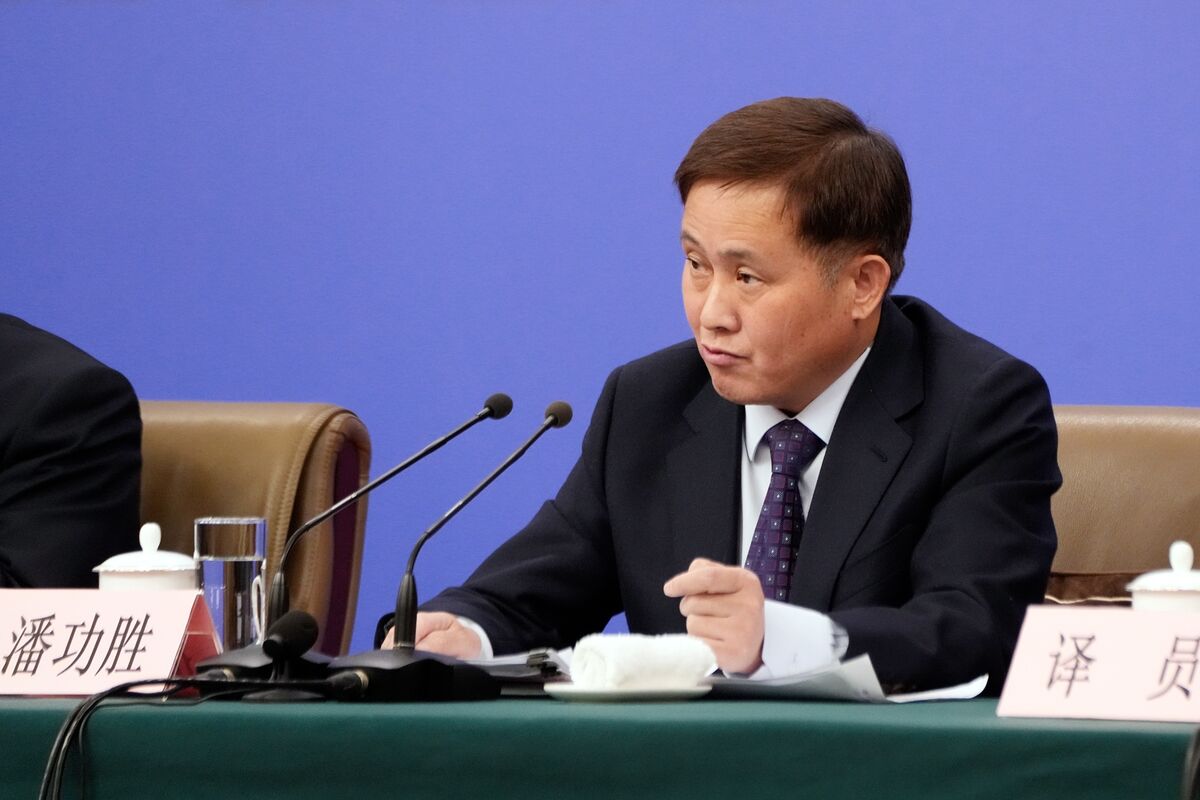
Summary: China’s central bank governor Pan Gongsheng highlighted that artificial intelligence is driving a new wave of technological and industrial transformation, presenting both opportunities and risks for the global economy. The discussion aligns with broader messaging from central banks on AI’s role in operations and policy challenges.
What We Know
- Pan Gongsheng, China’s central bank governor, described AI as driving a new wave of technological and industrial transformation that brings opportunities and risks to the global economy.
- The Bank for International Settlements has noted that AI stands at the center of transformation and that central banks are using AI to support operations while addressing challenges and trade-offs.
- Coverage of Pan’s remarks appears in major outlets discussing AI’s economic impacts and central-bank responses, including IMF-related forums.
What’s Still Unclear
- Specific details on which opportunities and risks Pan cited beyond the general framing.
- Exact contexts or quotes from Pan’s IMF remarks beyond the summary description.
- Direct connections between Pan’s statements and any particular policy measures or supervisory initiatives in China.
Context
Artificial intelligence is increasingly discussed as a disruptive technology shaping economies, financial systems, and regulatory approaches. Central banks and financial regulators globally are evaluating how AI can enhance operations, risk monitoring, and policy transmission, while also managing potential downsides such as financial stability and data governance concerns.
Why It Matters
The discussion underscores growing attention to AI’s implications for monetary policy, financial stability, and oversight. If AI accelerates transformation while introducing new risks, regulators may need to adapt tools and frameworks to maintain stable, efficient markets and protect consumers.
What to Watch Next
- Follow any formal remarks or policy statements from Pan Gongsheng or the People’s Bank of China on AI-related risks and opportunities.
- Monitor BIS and IMF discussions for evolving central-bank AI frameworks and risk management guidance.
- Look for updates on China-specific AI deployment in financial institutions and any resulting regulatory responses.
FAQ
Q: What does AI-driven transformation mean for the global economy?
A: It refers to AI enabling new capabilities across technology and industry, creating opportunities and presenting new risks, as discussed by Pan Gongsheng and echoed by central-bank commentary.
Q: Are there concrete policy steps mentioned?
A: The available information notes AI’s central role and associated challenges but does not specify particular policy actions.
Related coverage
- China non fossil energy expansion 2035 targets boost green
- China nuclear reactor completions 2024: Seven reactors
- VietJet C909 regional jets lease: finance deal for 10 C909s
Source Transparency
- This article is based on a short preliminary brief and may not reflect the full details available in ongoing reporting.
- Source links are provided in the Sources section where available.
- A limited open-web check was used to clarify key details when possible; unclear items remain clearly marked.
Original brief: China’s central bank governor Pan Gongsheng said artificial intelligence is driving a new wave of technological and industrial transformation that brings both opportunities and risks to the global economy…
Sources
- China Central Bank's Pan Flags AI Risks, Opportunities at IMF
- Financial majors step up AI-driven strategic overhaul
- Artificial intelligence and central banks: monetary and financial …
- Artificial Intelligence in China's Banking Sector: Promises
- How central banks are navigating digital transformation