
Published 2026-04-19
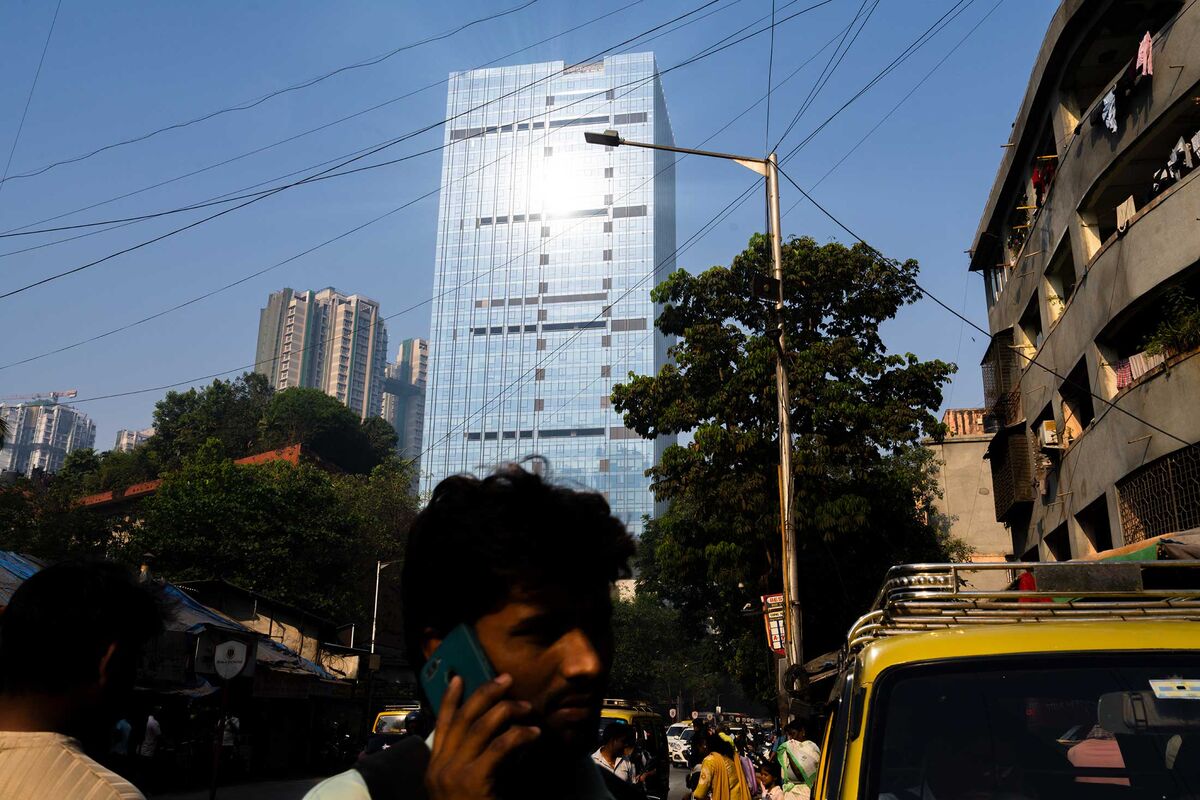
Summary: Mumbai’s rapid redevelopment reshapes the city’s skyline but raises displacement risks for residents, particularly in areas like Dharavi. Some affected households may be relocated to environmentally hazardous sites, underscoring tensions between urban renewal and housing security.
What We Know
- Redevelopment plans in Mumbai, notably in Dharavi, may involve relocation of hundreds of residents who lack documentation.
- Excluded residents could be moved to an environmentally hazardous site near the Deonar landfill, raising concerns about pollution and health risks.
- The situation highlights a broader tension between rapid urban development and housing affordability or stability for residents without formal documentation.
- The discourse around Mumbai’s skyline emphasizes both growth projections and social costs tied to redevelopment.
- Public health and environmental risk linkages are part of the conversation around redevelopment-driven displacement.
What’s Still Unclear
- Exact numbers of people potentially displaced beyond the cited hundreds are not confirmed.
- Specific timelines, project sponsors, and the decision-making process for relocation plans are not detailed.
- The geographic scope of affected neighborhoods beyond Dharavi and the Deonar area is not clarified.
- How fast-tracking redevelopment programs translate into displacement or environmental risk remains to be quantified.
Context
Urban redevelopment in Mumbai is reshaping the city’s physical and economic landscape. While new housing and infrastructure projects promise modernization and economic activity, they also raise questions about the fate of residents who may lose homes or livelihoods, particularly those lacking formal documentation. The tension between growth and inclusion is a recurring theme in India’s urban policy debates.
Why It Matters
The displacement risk tied to redevelopment has practical implications for housing security, social equity, public health, and city planning. How authorities address undocumented residents and environmental safeguards will influence trust in governance and the sustainability of Mumbai’s urban transformation.
What to Watch Next
- Updates on official displacement plans for Dharavi and related neighborhoods.
- Any announcements about relocation sites, safeguards, or health-mitigation measures for affected residents.
- Analysis of how redevelopment timelines intersect with residents’ housing stability and documentation status.
- Broader reporting on how Mumbai’s skyline growth is balanced with urban inclusivity.
FAQ
Q: What is driving Mumbai’s redevelopment?
A: The articles indicate a push for housing and infrastructure growth that reshapes the city’s skyline, but specific program details aren’t provided in the available information.
Q: Who is most at risk of displacement?
A: The information points to residents lacking documentation in Dharavi being at risk, with potential relocation to hazardous sites, though exact numbers are not confirmed.
Related coverage
- Mumbai’s Urban Redevelopment Housing Affordability
- Indian stocks underperform flexi cap funds popularity
- AI replaces engineers pressure on graduates: India CS
Source Transparency
- This article is based on a short preliminary brief and may not reflect the full details available in ongoing reporting.
- Source links are provided in the Sources section where available.
- A limited open-web check was used to clarify key details when possible; unclear items remain clearly marked.
Original brief: Mumbai’s skyline is rising fast. For millions of residents, redevelopment will determine whether they can stay….
Sources
- Redevelopment plan sparks fear of displacement and toxic relocation
- How Fast-Tracking Of Redevelopment Projects Brought Haze To Mumbai's …
- Dharavi's Future: Dreams, Displacement, and Mumbai's Urban Transformation
- Mumbai's skyline is soaring. So is the pressure on housing
- Mumbai's Skyline Transformation Gains Pace As Redevelopment Becomes A …