
Published 2026-04-20

Summary: The Warsaw Ghetto Uprising remains a defining moment of Jewish resistance during WWII. The article discusses a captioned photo linked to Yehudit Tolb- Neyer, a woman identified in connection with the uprising, alongside other family members, with context from archival sources noting uncertain identifications and survivor status is not clearly detailed in the available material.
What We Know
- The Warsaw Ghetto Uprising began on April 19, 1943, and is described as the largest and symbolically important Jewish uprising in German-occupied Europe.
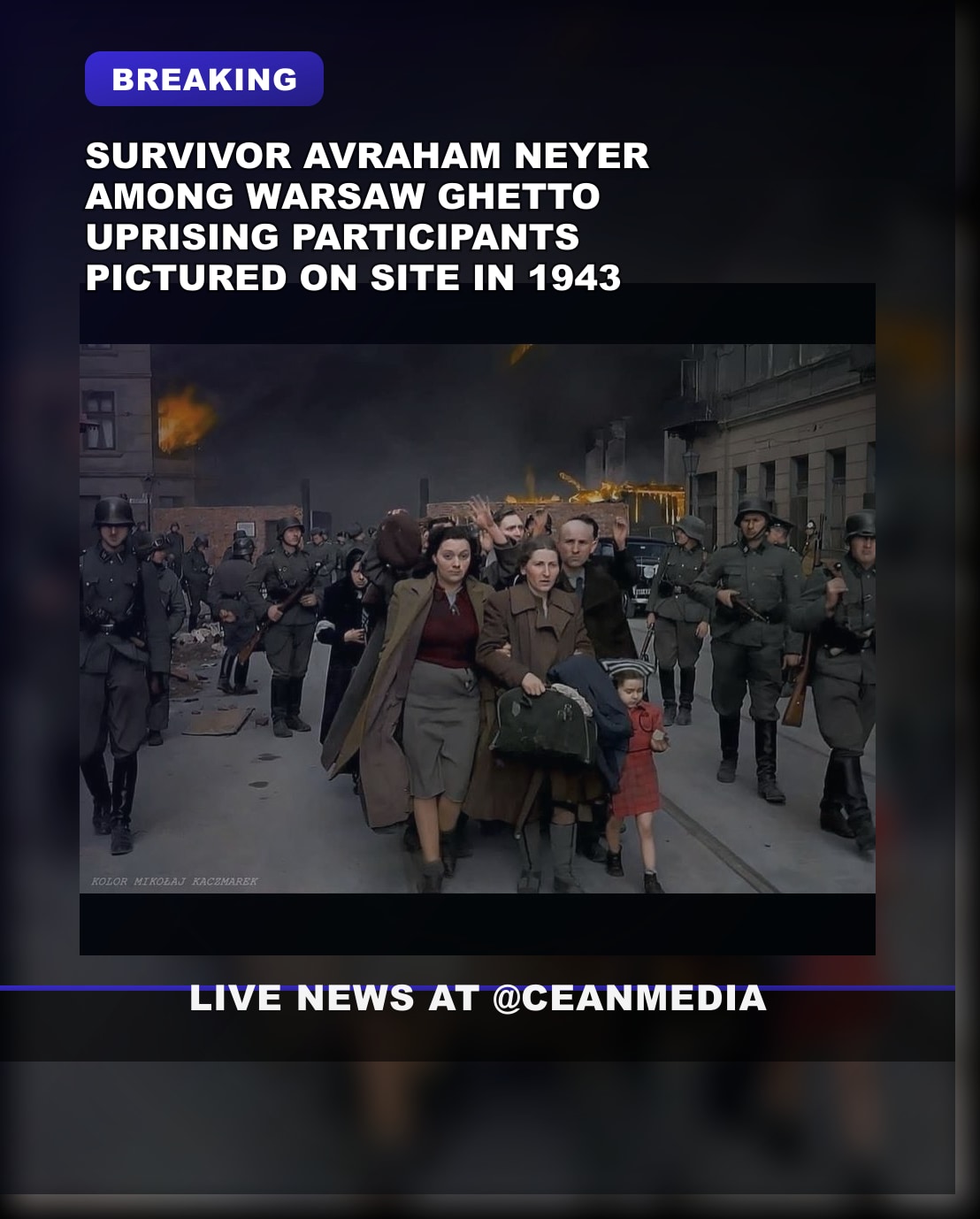
- A captioned photograph from the Stroop album depicts a woman at the front of a left-hand file, identified in some sources as Yehudit Tolb- Neyer, holding her mother-in-law’s hand.
- The same caption and related materials reference a young girl who is described as the daughter of Yehudit and Avraham Neyer; Avraham is shown to her left, and Avraham is noted as having survived among the four people depicted in the photo in some accounts.
- public sources notes indicate women from diverse backgrounds participated in the Warsaw Ghetto uprising and resistance activities, highlighting that women played key roles in this history.
- Multiple sources acknowledge uncertainty about the exact identity of the woman in the photo and the precise biographical details of Yehudit Neyer within the provided material.
What’s Still Unclear
- Whether Yehudit Neyer specifically survived the events, as details vary and not all accounts confirm survival for her or the other family members pictured.
- The exact identity and relationships of the individuals in the photo beyond what is described in the captions and which sources can be relied upon for definitive identification.
- Additional context about Yehudit Neyer’s role or activities during the uprising, since the provided excerpts do not specify her actions beyond the caption.
- Verification of dates, phrasing, or translations associated with the Stroop album caption beyond the cited description.
Context
The Warsaw Ghetto Uprising occurred in the context of Nazi-occupied Poland during World War II, when Jewish residents organized a resistance against deportations to extermination camps. The event is widely regarded as a significant act of urban resistance and has been studied extensively in Holocaust history. Scholarly and archival materials emphasize that participation came from people of diverse ages and backgrounds, including women who contributed to the resistance and uprising efforts.
Why It Matters
Understanding the roles of individuals within the Warsaw Ghetto Uprising, including women, helps convey the breadth of resistance and the human dimension of this history. Recognizing uncertainties in archival identifications also underscores the importance of careful historical verification when interpreting photographs and captions from traumatic periods.
What to Watch Next
- Further archival research clarifying the identity of the woman depicted in the Stroop album caption.
- Scholarly reviews or survivor testimonies that illuminate Yehudit Neyer’s life and possible survival status.
- Additional context from museum and memorial sources on women’s roles in the Warsaw Ghetto Uprising.
FAQ
Q: What is the Warsaw Ghetto Uprising?
A: It was a resistance effort by Jewish residents of the Warsaw Ghetto against German attempts to liquidate the ghetto in 1943, widely regarded as a major act of urban resistance during WWII.
Q: Is Yehudit Neyer confirmed as a participant or survivor?
A: The available material notes the name Yehudit Tolb- Neyer in connection with a captioned photo, but specific details about her survival or activities are not clearly confirmed here.
Related coverage
- Left Wing Summit Leaders Barcelona Spark New International
- Italian NGO director marriage crime convict raises
- Sánchez Emerges as Global Socialist Revival Leadership at
Source Transparency
- This article is based on a short preliminary brief and may not reflect the full details available in ongoing reporting.
- Source links are provided in the Sources section where available.
- A limited open-web check was used to clarify key details when possible; unclear items remain clearly marked.
Original brief: On April 19th, 1943, the Warsaw Ghetto Uprising broke out!
The woman in the front on the left is Yehudit Neyer, holding her mother-in-law’s hand.
The young girl is the daughter of Yehudit and Avraham Neyer, who is visible to her left. Of these four, only Avraham survived the…
Sources
- Resistance in the Holocaust: 80 Years since Warsaw Ghetto Uprising
- Survivor of the Warsaw Ghetto resistance tells of those who dared to …
- Women from the Warsaw Ghetto Uprising – POLIN
- Warsaw Ghetto Uprising | Holocaust Encyclopedia
- Warsaw Ghetto Uprising in Jürgen Stroop Report – Google Arts & Culture