
Published 2026-04-22
Summary: Peace talks between the United States and Iran appear to have stalled, with reports that Iranian officials refused to attend negotiations and Vice President JD Vance postponed a planned trip to Pakistan. The discussions, which included talks in Islamabad, did not yield a deal according to available briefings.
What We Know
- The United States and Iran were conducting peace talks that reached a standstill, with reports of Iranian officials not attending negotiations.
- Vice President JD Vance’s planned trip to Pakistan was put on hold amid the stalled talks.
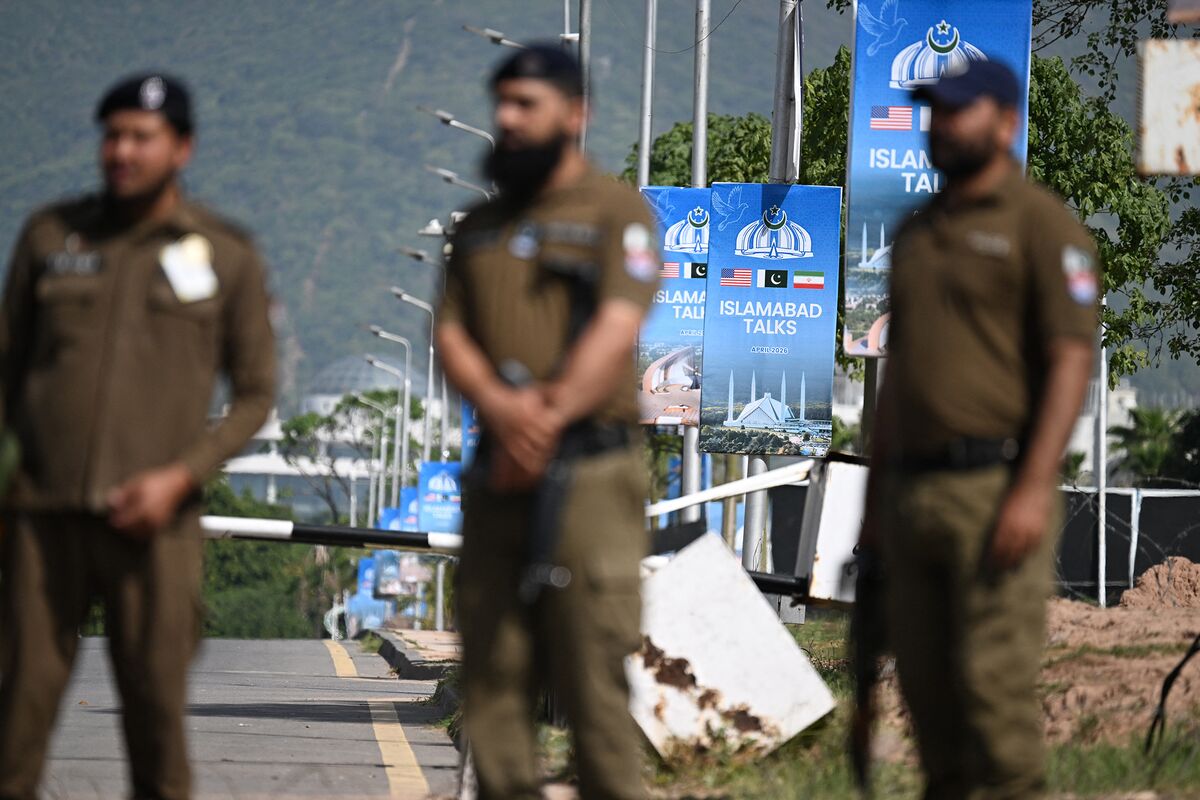
- At least one round of talks occurred in Islamabad, Pakistan, as part of the efforts to reach a truce or agreement.
- Public accounts describe the talks as failing to reach an agreement and indicate Iran did not respond to Washington’s negotiating positions or terms.
- Media reports from multiple outlets have framed the development as a pause or stall in Iran–US diplomacy.
What’s Still Unclear
- Whether a second round of talks is planned or has occurred after the Islamabad round.
- Specific content of Washington’s negotiating positions or Iran’s stated conditions beyond the general description of non-response or rejection.
- Any linkage between these talks and other regional or security dynamics occurring at the time.
Context
Diplomatic efforts between the United States and Iran have involved high-level engagements and rounds of talks hosted in different capitals. The objective of such discussions typically centers on reducing tensions, addressing security concerns, and establishing frameworks for potential agreements. Details about terms, timelines, and participating officials have varied across reporting, with some rounds described as marathon in duration and high-stakes in expectations.
Why It Matters
Stalled diplomacy can influence regional security dynamics, impact ongoing discussions on nuclear or security issues, and affect perceptions of Washington’s and Tehran’s willingness to negotiate. The status of these talks may also affect allied and partner calculations in the Middle East region.
What to Watch Next
- Updates on whether negotiations resume and in which venue.
- Any new statements from U.S. or Iranian officials clarifying positions or conditions.
- Reports on subsequent travel plans or cancellations by senior U.S. diplomats related to these talks.
- Reports about how this stall affects broader regional diplomacy and security initiatives.
FAQ
Q: What happened to the peace talks?
A: Reports indicate the talks stalled with Iranian officials reportedly not attending and Washington’s terms not being accepted, and a U.S. vice president’s travel plans were postponed. Specific details vary by source and official statements.
Q: Were any talks held in Pakistan?
A: Yes, Islamabad hosted at least one round of discussions as part of the diplomacy process.
Related coverage
- Iran Pakistan peace talks uncertainty: Iran Won’t Send
- Australia to invest billions in anti drone defense
- US Iran tensions nuclear talks deadlock: what’s behind the
Source Transparency
- This article is based on a short preliminary brief and may not reflect the full details available in ongoing reporting.
- Source links are provided in the Sources section where available.
- A limited open-web check was used to clarify key details when possible; unclear items remain clearly marked.
Original brief: Peace talks between the US and Iran ground to a standstill on Tuesday, with reports stating that Iranian officials refused to attend and Vice President JD Vance put off a planned trip to Pakistan…
Sources
- Iran War Live Updates: Vance's Trip to Peace Talks on Hold
- US and Iran fail to reach a deal after marathon talks in Pakistan
- Vance says no agreement reached with Iran after marathon talks in …
- The U.S. military says it will blockade Iranian ports as Iran peace …
- No Iran delegation sent to talks with US yet as ceasefire set to expire