
Published 2026-04-23
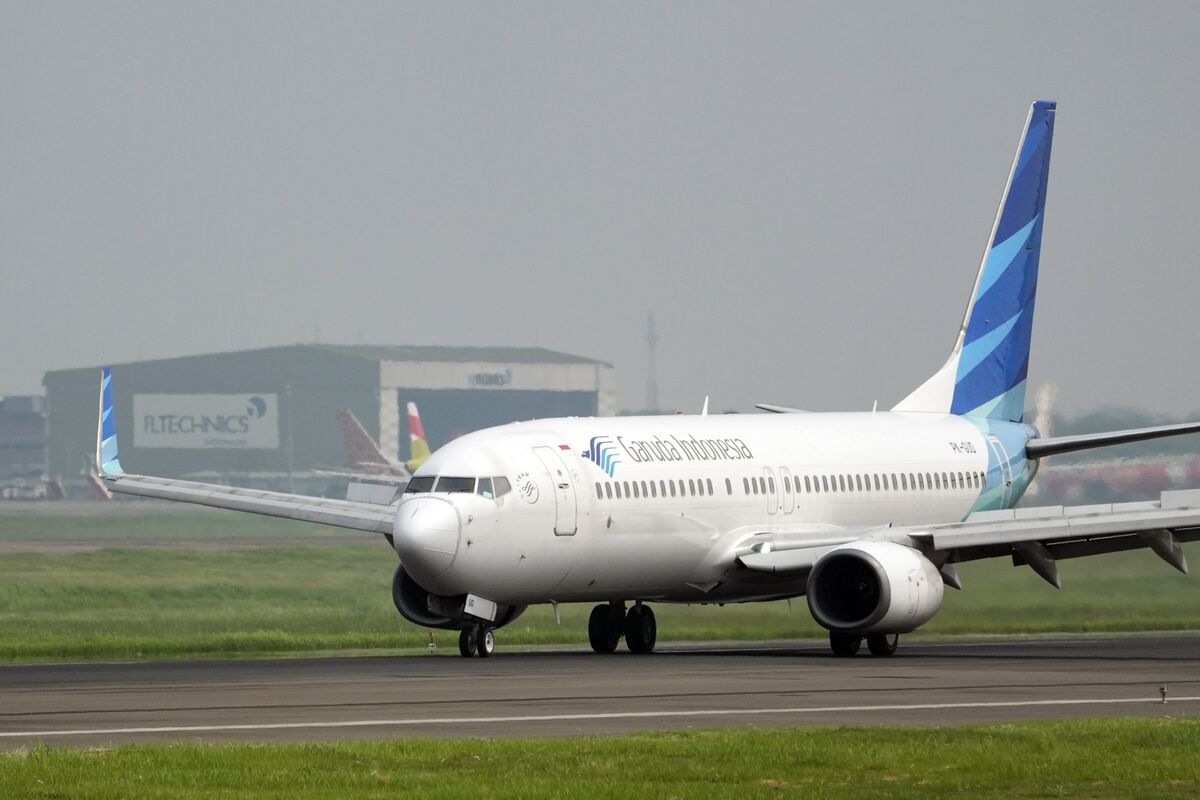
Summary: Bonds of Asian airlines, led by Garuda Indonesia, are showing strain amid the Iran war. Higher jet fuel costs and tightened supplies are contributing to capacity reductions and other financial pressures for carriers in the region.
What We Know
- Bonds of Asian airlines, led by PT Garuda Indonesia, are showing strain from the Iran war.
- Higher fuel burdens compared with global peers amplify vulnerabilities for Asian airlines due to the Iran war.
- Jet fuel prices have risen sharply, contributing to flight cuts and capacity reductions among Asian airlines.
- Some Asian carriers are trimming schedules and carrying extra fuel to mitigate tighter jet fuel supply in the Middle East region.
What’s Still Unclear
- Exact magnitude of debt strain or losses for individual airlines beyond Garuda.
- Comprehensive list of affected airlines in terms of debt or bonds.
- Precise timelines for when debt strain started or intensified across all sources.
- Whether all cited items refer to the same time frame and events in April 2026 with consistent data.
Context
Regional airlines operate within a broader geopolitical landscape where the Middle East conflict can influence global energy markets. In such environments, jet fuel costs and supply dynamics can affect airline profitability, financing, and scheduling decisions. Background trends in Asia include efforts to manage fuel costs and maintain liquidity amid external shocks, though specific company-level details require corroboration from official disclosures and market data.
Why It Matters
Financial strain on Asian airlines can affect bond markets, airline financing, and capacity in a region that relies on international routes. Higher operating costs and potential service reductions may influence traveler options, ticket prices, and regional connectivity.
What to Watch Next
- Any updates on bond performance or credit ratings for Asian carriers tied to fuel-cost pressures.
- New disclosures from airlines on hedging strategies or fuel-hedge arrangements in response to price volatility.
- Reported changes in routes, schedules, or fleet utilization as a reaction to supply-tightness in jet fuel markets.
- Broader market analysis on the spillover effects of Middle East conflict on aviation financing.
FAQ
Q: What is driving the debt concerns for Asian airlines?\n
A: Higher jet fuel costs linked to the Iran war are cited as a key factor increasing financial vulnerability, alongside existing debt and financing considerations in the region. Specific company-level figures are not provided in the available information.
Q: Which airlines are affected beyond Garuda?
A: The available information references Asian airlines in general with Garuda noted as leading the strain; a complete, verified list of affected airlines has not been confirmed in the provided material.
Related coverage
- Greece cargo ship attack IRGC: Epaminondas hit in Strait of
- Trump anti-regime protesters executions forced cessation
- Israel Independence Day celebrations mark Israel’s 76th
Source Transparency
- This article is based on a short preliminary brief and may not reflect the full details available in ongoing reporting.
- Source links are provided in the Sources section where available.
- A limited open-web check was used to clarify key details when possible; unclear items remain clearly marked.
Original brief: Bonds of Asian airlines, led by Garuda, are showing strain from the Iran war, as higher fuel burdens compared with global peers amplify their vulnerabilities…
Sources
- Garuda Leads Losses in Bonds of Asian Airlines Stung by Iran War
- Asian airlines trim schedules and carry extra fuel as supplies tighten …
- Asian airlines cut flights, carry extra fuel as supplies tighten with …
- Asian Airlines Crisis 2026: Sky-High Fuel Prices & Route Cuts
- Asian airlines face 'major headwind' from jet fuel costs, forcing …