
Published 2026-05-11
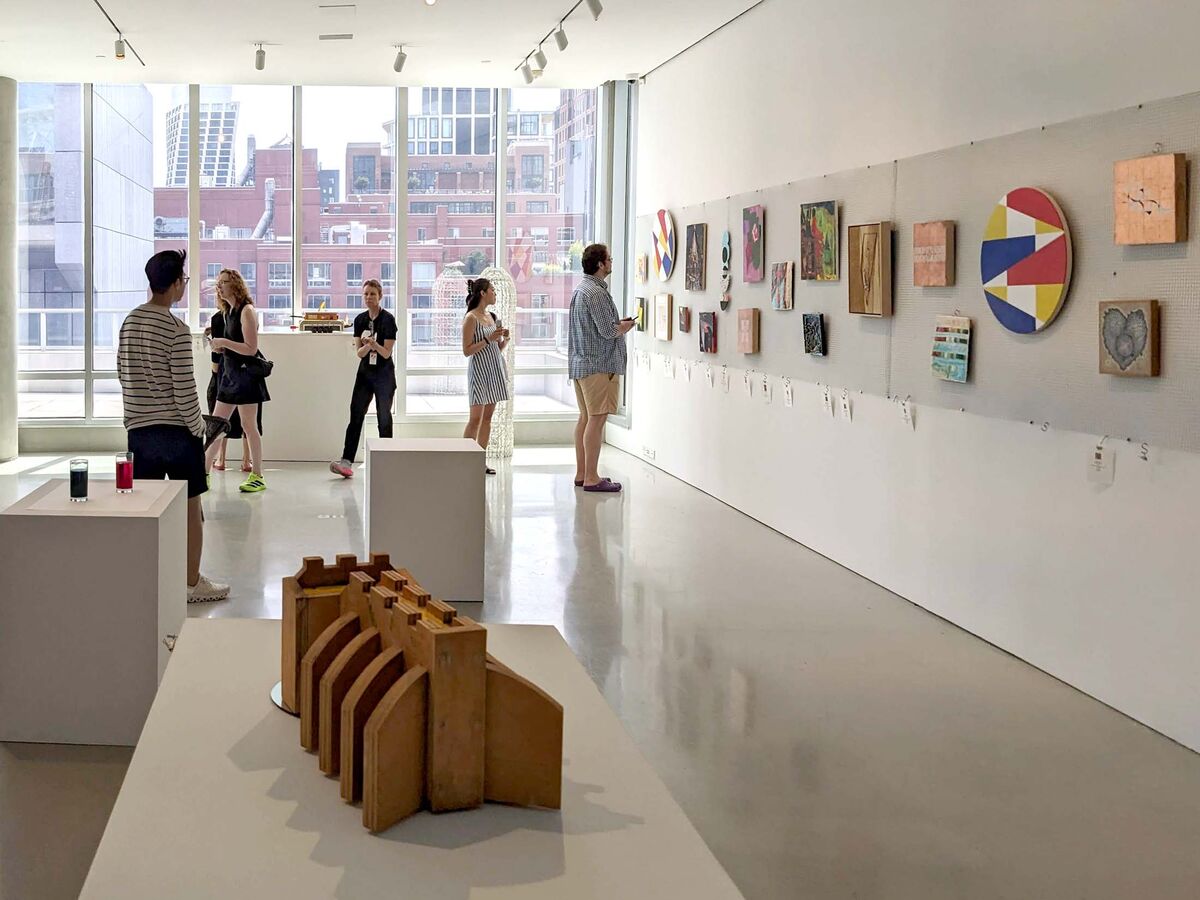
Summary: Zero Art Fair proposes free high-end artworks with contracts that attach strings—most notably a store-to-own model—aiming to rehome artworks currently stored and not accessible to many potential buyers. The 2nd edition took place in New York City at The FLAG Art Foundation in July, organized by artists Jennifer Dalton and William Powhida.
What We Know
- Zero Art Fair offers artworks free of charge with strings attached.
- The 2nd edition of Zero Art Fair took place July 8–12 at The FLAG Art Foundation in New York City.
- Zero Art Fair is developed by artists Jennifer Dalton and William Powhida and uses a store-to-own contract.
- The fair aims to match artworks currently stored with people who want to live with art but cannot necessarily afford it.
- The initiative is described as an experimental approach to re-circulate high-end art by removing upfront purchase costs while maintaining a form of future ownership or obligation.
What’s Still Unclear
- Exact terms and legal specifics of the “strings attached” contract beyond the store-to-own description.
- Whether there were any additional operational differences between editions beyond the general concept.
- The scope of participating artists or the total number of works involved in the latest edition.
- Precise dates for editions other than the 2nd, if any, beyond what is already stated.
- How successful the model has been in matching stored works with new households or living spaces.
Context
Zero Art Fair presents a provocative approach within the contemporary art market by proposing free distribution of high-end works under contractual conditions. The model seeks to move artworks out of storage into public or private spaces, challenging traditional buying and ownership dynamics and highlighting the tension between art as investment and art as living experience.
Why It Matters
The initiative raises questions about accessibility to contemporary art, ecosystem incentives for artists and collectors, and how contractual obligations might influence the long-term stewardship and value of artworks. If scalable, the approach could redefine participation in the art market by decoupling ownership from immediate financial expenditure.
What to Watch Next
- Any future editions and their contract details to understand how the model evolves.
- Feedback from participants—both lenders and recipients—on the practicalities and aesthetics of living with free artworks.
- Independent assessments of the impact on art storage practices and on the market value of works involved.
- New partnerships or venues that might test broader applicability of the store-to-own concept.
FAQ
Q: What is the core idea behind Zero Art Fair’s model?
A: To offer high-end artworks free of charge with contractual strings attached, primarily through a store-to-own arrangement meant to re-home stored art.
Q: Where and when did the 2nd edition occur?
A: It took place in New York City at The FLAG Art Foundation, with dates reported as July 8–12 for the edition referenced.
Related coverage
- 22 Britons Hospitalized After Evacuation from hantavirus
- Outbreak: hantavirus Andes strain outbreak hits Hondius
- Putin supporters May 9 Berlin gather despite bans
Source Transparency
- This article is based on a short preliminary brief and may not reflect the full details available in ongoing reporting.
- Source links are provided in the Sources section where available.
- A limited open-web check was used to clarify key details when possible; unclear items remain clearly marked.
Original brief: If the art market were a dating app for artwork and walls, it would have a one-star rating. Zero Art Fair proposes a radical solution: All the high-end works cost nothing…
Sources
- Home – Zero Art Fair
- Zero Art Fair – The FLAG Art Foundation
- William Powhida → Zero Art Fair 2025
- Free Art, Real Value: The Zero Art Fair Story – UNCSA
- 'Free art, with strings attached': Zero Art Fair's first edition in New …