
Published 2026-05-14
Summary: A new wave of online disinformation linked to a Russian group, and the rise of AI-powered fakes and weakened social media guardrails, are raising concerns about the integrity of the 2026 U.S. midterm campaigns. Reports describe deepfakes affecting political messaging and a regulatory gap that could leave voters uncertain about what is real.
What We Know
- AI deepfakes are affecting the 2026 US midterm campaigns, according to recent reporting.
- There is mention of a lack of federal regulation constraining AI political messaging, creating a gap for mis/disinformation.
- Reports indicate over 1,000 incidents of AI deepfakes since 2025 (per available summaries).
- Russia is described as producing fake content posing as US news and spoofing reputable outlets, contributing to a broader disinformation environment.
- Media coverage notes concerns among politics experts about voters being confused or deceived by AI-generated political content.
What’s Still Unclear
- The exact scope and geographic distribution of deepfake incidents across all 2026 states remain uncertain.
- Details of state-level laws addressing AI deepfakes vary, and the effectiveness of such laws is not consistently documented.
- Specific mechanisms of how Russian disinformation campaigns target US audiences in this context require further clarification.
Context
General background: Advances in AI have enabled more sophisticated images, audio, and video that can convincingly imitate real people and real news outlets. This technological shift raises questions about how political messages are created, shared, and regulated, particularly during high-stakes election periods. Observers are watching for how platforms enforce guardrails and what new laws or guidelines might emerge to address AI-generated political content.
Why It Matters
Disinformation risks undermine informed voting, erode trust in media, and complicate efforts to run fair elections. The combination of AI-generated fakes and less stringent regulatory constraints could increase the spread of deceptive content during a highly polarized electoral cycle.
What to Watch Next
- Monitoring updates on regulatory developments at the federal and state levels regarding AI-generated political messaging.
- Tracking reported incidents of AI deepfakes and the platforms’ responses to remove or flag such content.
- Assessing how media literacy and fact-checking efforts adapt to AI-powered misinformation in real time.
- Watching for new analyses of Russian disinformation operations and their methods in the 2026 campaigns.
FAQ
Q: What is driving the concern about AI deepfakes in the 2026 midterms?
A: The combination of AI-enabled fake content, the potential absence of strict federal regulation on political AI messaging, and reported incidents of deceptive material links the trend to heightened risk of voter confusion.
Q: Who is implicated in producing disinformation content?
A: Reports reference a Russian group described as behind a wave of online disinformation and fake content spoofing reputable outlets; specific group names beyond Storm-1516 are not confirmed in the available material.
Related coverage
- Malaysia UMNO political comeback gains momentum ahead of
- Inside the Business of Space: Investments Beyond Earth —
- Colombian Election: hardscreen presidential polling
Source Transparency
- This article is based on a short preliminary brief and may not reflect the full details available in ongoing reporting.
- Source links are provided in the Sources section where available.
- A limited open-web check was used to clarify key details when possible; unclear items remain clearly marked.
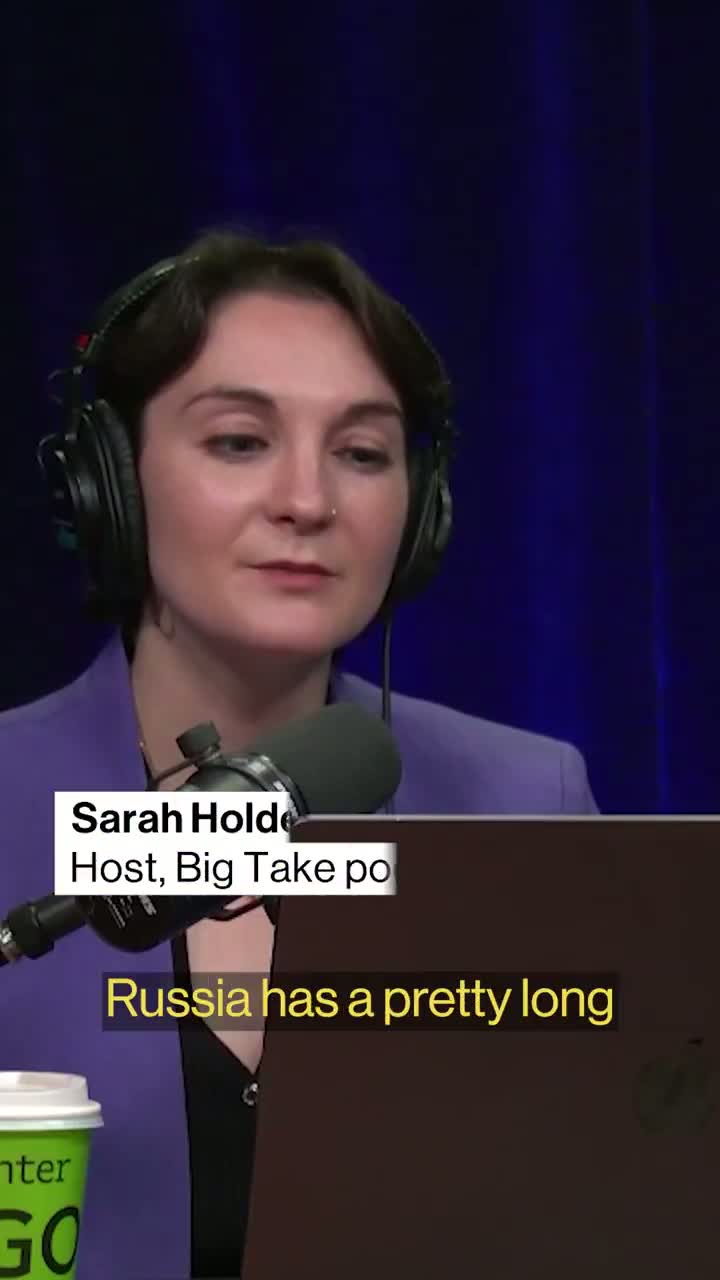
Original brief: On today’s Big Take, investigative reporter
@StephaniBaker
tells
@sarahsholder
about Storm-1516, a Russian group behind a new wave of online disinformation — and what AI-powered fakes and weakened social media guardrails mean for the 2026 US midterms
https://
link.podtrac.com/g8pndijt…
Sources
- AI deepfakes blur reality in 2026 US midterm campaigns
- AI Deepfakes Are Flooding the 2026 Midterms. 26 States Scramble to …
- Russia is quietly churning out fake content posing as US news
- AI Deepfakes Blur Reality in 2026 US Midterms – theoutpost.ai
- Regulators Scramble as AI Deepfakes Flood the 2026 Midterms