
Published 2026-05-16
Summary: Boeing’s return to the Chinese market is framed around a reported $50 billion deal that would mark a major step forward after years of limited U.S. aircraft sales to China. However, several challenges and competitive dynamics loom, including competition from COMAC and broader U.S.-China trade considerations.
What We Know
- China agreed to buy 200 Boeing jets, signaling a potential reset after nearly a decade without major US-made commercial aircraft purchases.
- The development comes as Boeing seeks to regain a foothold in one of its most important markets, amid a global supply chain context that is described as fractured.
- Chinese competitors such as COMAC are gaining momentum, supported by state subsidies and domestic demand, which may affect Boeing’s market share.
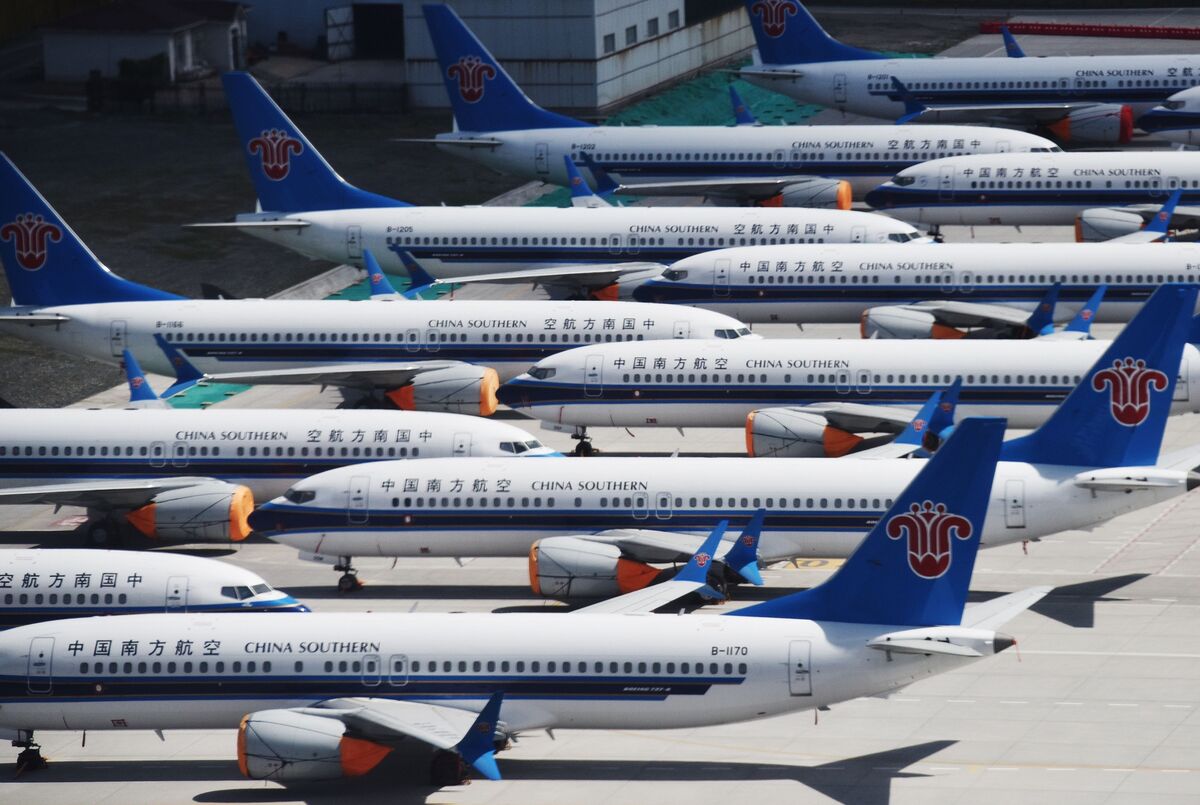
- Boeing has resumed deliveries of its 737 MAX to China, a step that symbolically reinforces renewed ties with the Chinese market.
- The overall story points to a strategic pivot with regulatory, political, and market considerations shaping the path forward.
What’s Still Unclear
- Whether the 200-jet deal is finalized, and the exact timing, models, and payment terms remain unspecified in the available information.
- The current status of Boeing deliveries to China beyond the 200-jet framework, including any new regulatory requirements or hurdles.
- How China’s domestic competition and subsidies will quantitatively affect Boeing’s future market share in the Chinese aviation sector.
- Details on how the broader U.S.-China trade environment might influence the deal’s progression and implementation.
Context
General background: Boeing’s efforts to recapture a large-scale presence in China reflect ongoing shifts in a high-stakes aerospace market. The landscape includes domestic Chinese manufacturing (notably COMAC) and evolving regulatory and political factors that shape cross-border aerospace sales and partnerships.
Why It Matters
The outcome has implications for Boeing’s global orders, supply chain planning, and competitive dynamics with domestic rivals. It also touches on broader questions about U.S.-China trade, technology transfer, and aviation market access in a tightly regulated sector.
What to Watch Next
- Any announcements confirming final terms, models, and delivery timelines for the 200-jet agreement.
- Updates on regulatory approvals or regulatory hurdles impacting Boeing’s China deliveries.
- Industry analysis on how COMAC’s activities and subsidies influence Boeing’s market position.
- Signals about overall U.S.-China aerospace policy and potential effect on future aircraft sales.
FAQ
Q: What signifies Boeing’s return to the Chinese market?
A: A reported deal and recent activity suggesting renewed sales and deliveries, after a lengthy period with limited major U.S.-made purchases to China.
Q: Are the terms of the 200-jet deal confirmed?
A: Not confirmed in the available information; details such as timing, models, and payment terms are not specified.
Related coverage
- China asserts red lines Taiwan at Beijing summit
- Hong Kong’s Genuine Iberian flavors Lola Maria on Hollywood
- Trump and Xi Hold Private, Small-Scale Meeting in China,
Source Transparency
- This article is based on a short preliminary brief and may not reflect the full details available in ongoing reporting.
- Source links are provided in the Sources section where available.
- A limited open-web check was used to clarify key details when possible; unclear items remain clearly marked.
Original brief: A $50 billion deal marks Boeing’s return to the Chinese market, writes @julianaliu. But challenges abound (via @opinion)
Sources
- China's 200-Jet Boeing Deal Sends Urgent Signal To Investors
- Boeing's Return to China: A Strategic Pivot in a Fractured Supply Chain …
- Boeing Resumes 737 MAX Deliveries to China, Reigniting Global Market …
- Boeing Jets Back from China: How Trade War Opens Doors for Global …
- Major Breakthrough: China Approves Boeing Deliveries in Signal of …