
Published 2026-05-17
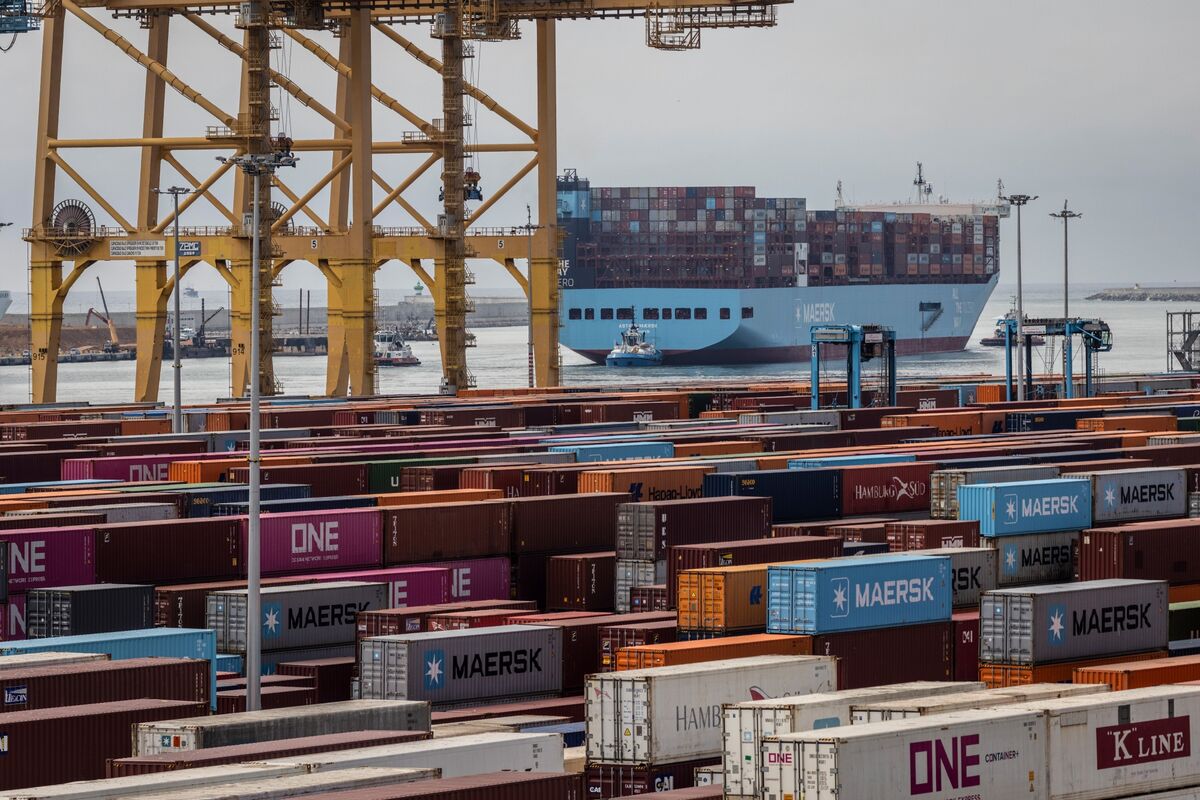
Summary: A global push to stockpile manufactured goods amid fears of an energy-supply crunch is shaping business surveys and broader economic sentiment as firms hedge against inflation and shortages. While several reports indicate elevated supply-chain strain and a rush to build inventories, precise scope and regional distribution remain unclear.
What We Know
- The global supply chain strain is reportedly at its highest level since 2022, according to multiple sources.
- Firms are stockpiling against inflation and shortages as part of the global supply-chain response.
- There is a reported rush to stockpile manufactured goods due to fears of an energy-supply crunch.
- Business surveys are expected to be overshadowed by this stockpiling behavior amid ongoing uncertainty from prolonged conflict-related disruptions.
- Some coverage references a broader volatility index related to global supply chains and inventory-building trends.
What’s Still Unclear
- Exact definitions and measurements of the supply-chain strain index used by the cited sources.
- Whether stockpiling is concentrated in specific regions or is globally uniform.
- The time horizon and duration over which stockpiling is expected to continue.
- How strongly energy-crunch fears translate into concrete stockpiling decisions beyond general mentions.
- Any conflicting details across sources about the scope or drivers of stockpiling.
Context
General background: Global supply-chain pressures have persisted for several years, with renewed attention on inventory builds as firms navigate inflation, shortages, and geopolitical tensions. The interplay between energy security concerns and manufacturing schedules continues to influence corporate planning and market expectations.
Why It Matters
Stockpiling and supply-chain dynamics can affect product availability, pricing, investment decisions, and consumer sentiment. Understanding these pressures helps explain potential shifts in business surveys and economic indicators during periods of elevated geopolitical risk and energy-market anxiety.
What to Watch Next
- Updates to the global supply-chain volatility index and any revisions to the assessment of strain levels.
- New survey results on business sentiment and inventories across regions.
- Official statements from manufacturers and logistics firms regarding inventory strategies in response to energy fears.
- Any clarifications on which manufactured goods are prioritized in stockpiling efforts.
FAQ
Q: What is driving the stockpiling trend?
A: Reports point to fears of an energy-supply crunch and ongoing inflation/shortages as primary motivators, but exact causation details vary and are not fully quantified in the available information.
Q: Is this trend regional or global?
A: The available information suggests a global pattern, but precise regional distribution and impact are not confirmed.
Related coverage
- Lula Bolsonaro hypothetical runoff: edge of tie in
- Disney’s Mandalorian and Grogu: Global campaign to revive
- Forecasting tool scaling betting markets: Market tests in
Source Transparency
- This article is based on a short preliminary brief and may not reflect the full details available in ongoing reporting.
- Source links are provided in the Sources section where available.
- A limited open-web check was used to clarify key details when possible; unclear items remain clearly marked.
Original brief: The global rush to stockpile manufactured goods in fear of an energy-supply crunch will again overshadow business surveys gauging the impact of a third month of war…
Sources
- Global Supply Chain Strain Hits Highest Level Since 2022 Crisis As …
- Irish households told to stockpile 72 hours of supplies as WW3 fears …
- GLOBAL SUPPLY CHAIN STRAIN HITS HIGHEST LEVEL SINCE 2022 … – Morningstar
- Global Inventory Race Intensifies in Shadow of the Iran War
- IEA: Record Supply Surge Sets Stage for Oil Stockpile Blowout