
Published 2026-05-24
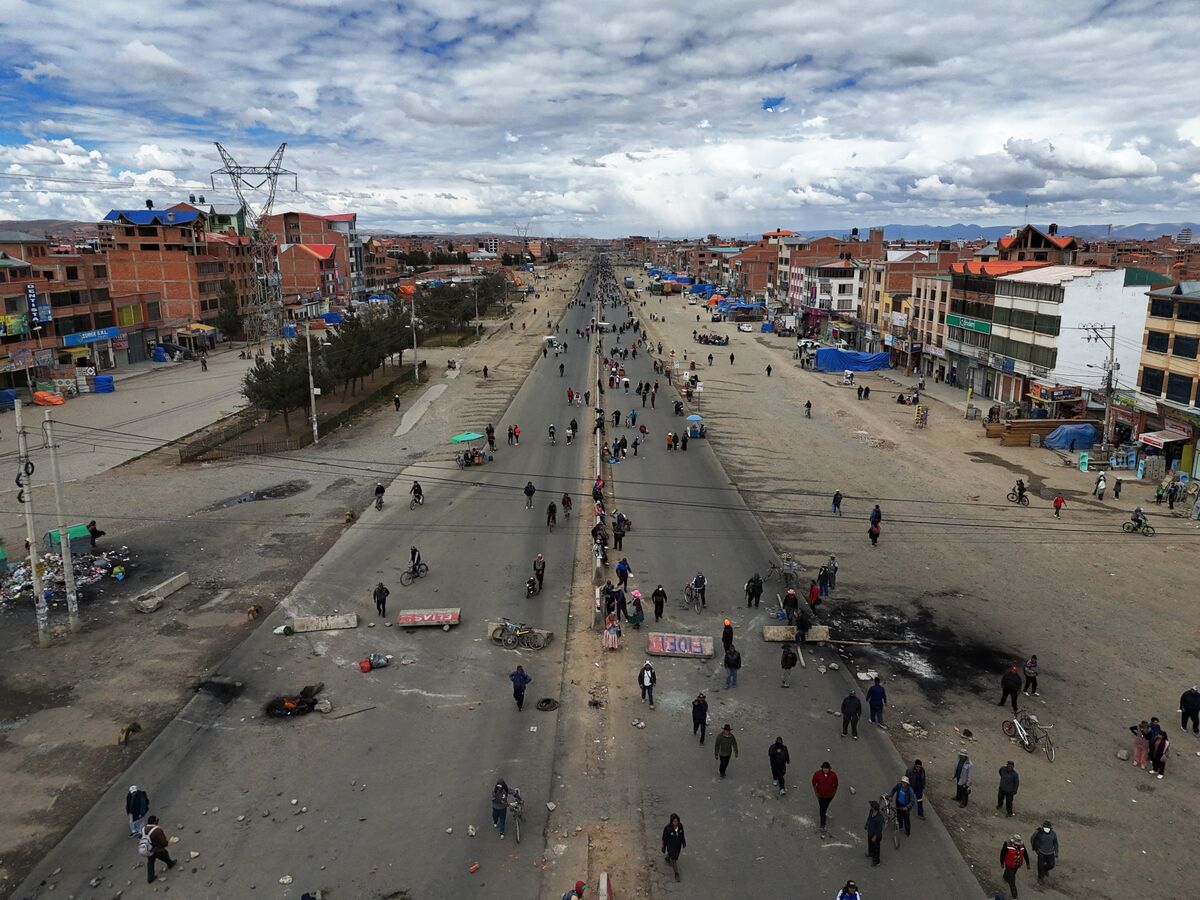
Summary: Investors in emerging markets are facing renewed political turmoil that is affecting bets across Latin America and Eastern Europe. The downturn in sentiment comes as supporting growth in Latin America remains modest and investors show growing interest in local currency debt as a sign of regional confidence.
What We Know
- Emerging markets are encountering a fresh wave of political turmoil that is influencing investment decisions in regions including Latin America and Eastern Europe.
- Latin America and the Caribbean are projected to grow around 2.1% in 2026, with private consumption as the primary driver and investment contributing to demand.
- There is a noted shift as investors express growing interest in local currency debt in Latin America, suggesting some confidence in the region relative to the U.S. dollar.
- Reports indicate that market turmoil is affecting investment sentiment and could derail some bets in the near term, though the exact numeric impact is not quantified in the available information.
- The topic sits at the intersection of political developments and macroeconomic performance in emerging markets, requiring close monitoring of country-level dynamics.
What’s Still Unclear
- Specific, quantified impacts of Argentina’s political and economic environment under Milei on broader EM investments are not detailed in the provided sources.
- The precise magnitude and distribution of market turmoil across Latin America and Eastern Europe, including capital flows and asset price effects, remain unspecified.
- How different asset classes (equities, bonds, FX) are responding in various countries within these regions is not clearly outlined.
Context
Contextual background shows that emerging markets can be sensitive to political changes, which in turn influence investment appetite and currency dynamics. Regional growth in Latin America remains constrained by structural factors, while private consumption continues to support some demand. Market sentiment can be volatile when political risks rise, affecting cross-border investments and local-currency appeal.
Why It Matters
Understanding the link between political turmoil and investment flows in emerging markets helps investors adjust risk expectations, currency strategies, and duration decisions. Regional growth projections and shifts toward local currency debt can influence portfolio construction and hedging needs for investors with exposure to Latin America and similar markets.
What to Watch Next
- Any updates on country-specific political developments in Latin America and their direct impact on investment sentiment.
- Changes in policy expectations that could affect private consumption, investment, and growth projections in the region.
- New data on capital flows and currency-denominated debt issuance in Latin America as a signal of investor confidence.
- Assessments of market volatility linked to political events in Eastern Europe and spillovers to EM asset classes.
FAQ
Q: What is the current growth outlook for Latin America?
A: The latest projection places Latin America and the Caribbean growth at about 2.1% in 2026, with private consumption as the main driver and investment contributing to demand.
Q: Are investors increasingly favoring local currency debt in Latin America?
A: Yes, there are reports of growing investor interest in local currency debt, indicating relative confidence in the region compared with the U.S. dollar.
Related coverage
- France to Halt Legal Immigration for Three Years: French
- Turkish opposition party leadership: Kilicdaroglu seeks
- Quetta railway blast death toll rises to 16, AP reports
Source Transparency
- This article is based on a short preliminary brief and may not reflect the full details available in ongoing reporting.
- Source links are provided in the Sources section where available.
- A limited open-web check was used to clarify key details when possible; unclear items remain clearly marked.
Original brief: Investors in emerging markets are getting slammed by a fresh wave of political turmoil that is derailing bets from Latin America to Eastern Europe…
Sources
- Argentina's Political and Economic Turmoil Under Milei: Assessing Risks …
- Economic Review | Latin America and the Caribbean April 2026
- Turmoil del mercado llega a Latinoamérica – Funds Society
- Latin America at Mid-Year: A turning point between challenges and new …
- Small States, Big Wins: Latin America's Economic Turnaround