
Published 2026-05-25

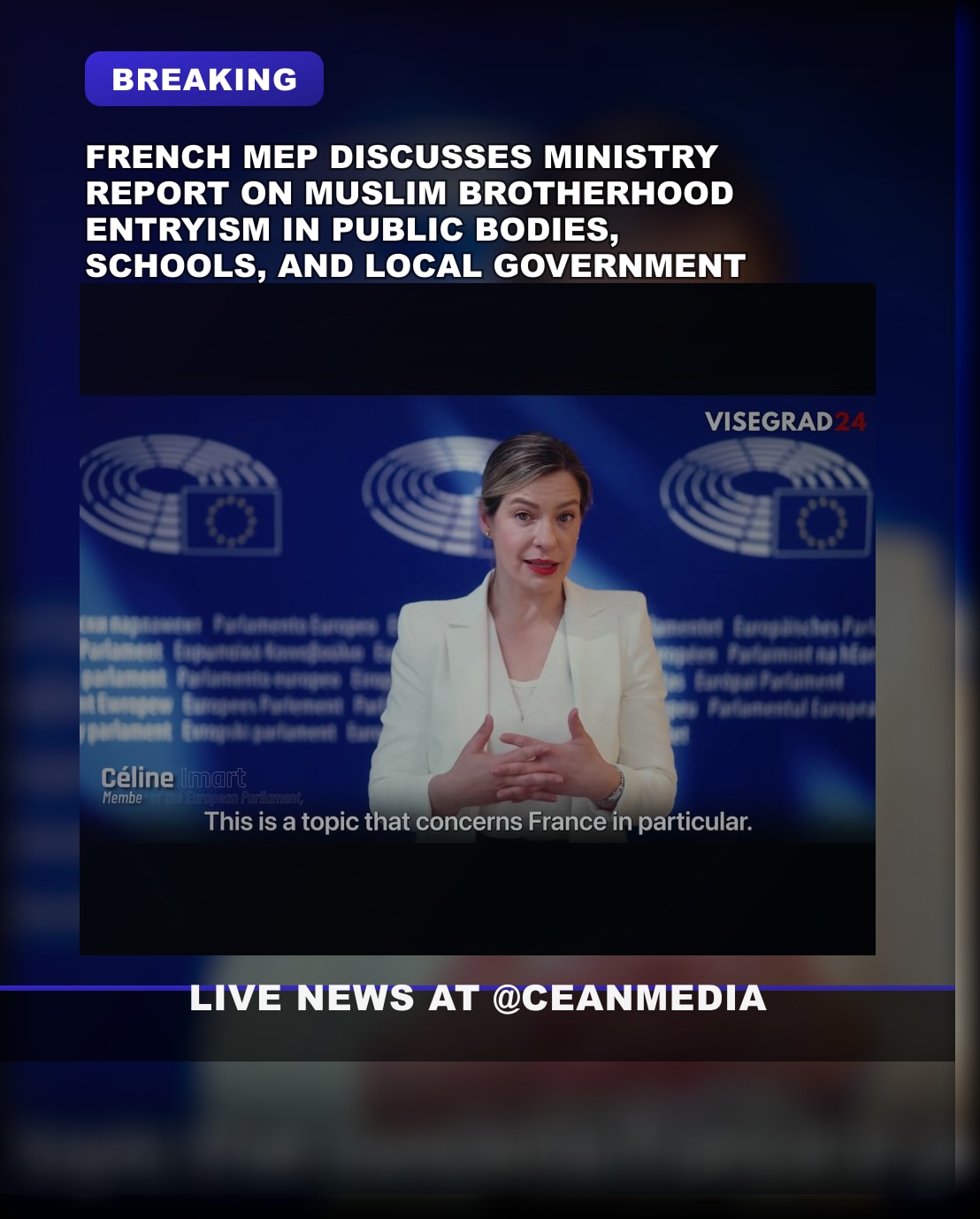
Summary: A French government report, described by media as confidential or examined by authorities, discusses alleged entryism by the Muslim Brotherhood in France, targeting public bodies such as schools and local government. French MEP Céline Imart comments on the issue in the context of the report, which has sparked discussions about national cohesion and secularism in France.
What We Know
- The topic centers on a French government report about the Muslim Brotherhood and alleged entryism into public institutions, including schools and local government.
- Media coverage has described the report as confidential or under examination by the Defence Council or other authorities.
- The report characterizes the Muslim Brotherhood as a potential threat to national cohesion in France.
- Coverage references discussions about influence or lobbying related to EU institutions, in connection with the broader topic.
What’s Still Unclear
- Whether Céline Imart specifically authored or endorsed the report, and the extent of her comments beyond noting the topic.
- The exact contents, methodology, and evidentiary basis of the May 2025 report.
- Precise mechanisms of alleged entryism and which public bodies or sectors are most affected, as described in the report.
Context
Contextual background involves ongoing debates in France about nationalism, secularism, and how to assess perceived influence within public institutions. International observers are watching how member states discuss non-state actors and civic engagement in public life.
Why It Matters
The issue touches on national cohesion, secular principles in public life, and the balance between safeguarding public institutions and civil liberties. It may influence political discourse, policy considerations, and media coverage around security and integration in France.
What to Watch Next
- Responses from French authorities or the Defence Council regarding the confidential report.
- Further commentary from public officials or MEPs about the implications for public institutions and EU-wide considerations.
- Follow-up analysis on the report’s methodology and conclusions from independent observers or think tanks.
FAQ
Q: What is the central claim of the report mentioned?
A: The report discusses alleged entryism by the Muslim Brotherhood into public bodies such as schools and local government, described by media as a potential risk to national cohesion.
Q: Has the report been made public?
A: Coverage describes it as confidential or under examination by authorities, with details not fully disclosed in available sources.
Related coverage
- Mutual Ownership Prioritizes Families in Core Philosophy
- EU Parliament Terror List: IRGC, Not Muslim Brotherhood
- EU Muslim Brotherhood influence warned by parliamentarian
Source Transparency
- This article is based on a short preliminary brief and may not reflect the full details available in ongoing reporting.
- Source links are provided in the Sources section where available.
- A limited open-web check was used to clarify key details when possible; unclear items remain clearly marked.
Original brief: French Member of the European Parliament
@CelineImart
speaks about how the former Minister of Interior
@BrunoRetailleau
from
@lesRepublicains
released a report by the ministry on how the Muslim Brotherhood uses “entryism” to infiltrate public bodies like schools and local…
Sources
- French report warns of Islamist 'entryism' as risk to national … – BBC
- An Analysis of the French Ministry of Interior's Report 'Frères …
- Muslim Brotherhood movement poses 'threat to national cohesion', French …
- Muslim Brotherhood-linked groups tried to influence EU: Report
- French report warns of spread of Muslim Brotherhood ideology