
Published 2026-05-27
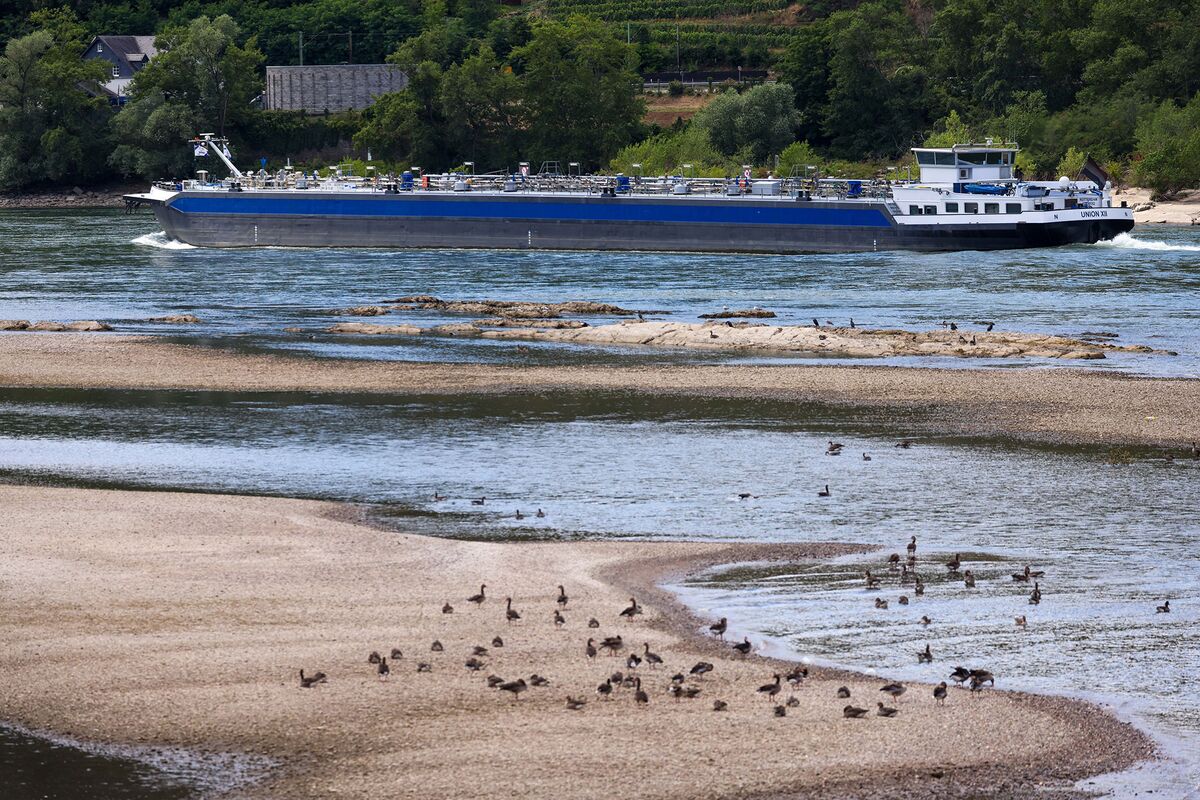
Summary: Low water levels on Europe’s major arteries, notably the Rhine, are constraining oil barge capacity and driving up shipping costs. Vessels are operating at reduced cargo loads at chokepoints such as Kaub, Cologne, and Duisburg, with operators imposing surcharges as disruptions ripple through inland waterways.
What We Know
- Low water levels on Europe’s rivers, including the Rhine and the Danube, are restricting shipping.
- Drying river conditions are associated with heatwaves and drought.
- Shipping costs are increasing due to reduced river water levels.
- The Rhine River has chokepoints such as Kaub, Cologne, and Duisburg affected by low water.
- Vessels are operating with reduced cargo capacity (40-50%) at affected areas.
- Surcharges are being imposed by operators due to disruptions on the Rhine.
What’s Still Unclear
- Exact measurements or dates for when water levels dropped to specific thresholds are not specified.
- How long the reduced capacity conditions are projected to last or whether multiple seasons are affected.
- Specific impact on national oil supply chains or individual companies beyond general shipping costs and surcharges.
- Details on mitigation strategies being deployed by operators or governments.
- Whether other rivers (besides Rhine) are experiencing comparable restrictions in depth and throughput.
Context
Europe’s inland waterways are a key corridor for energy and commodity transport. Extreme weather events and resulting drought can lower water levels, limiting vessel draft and cargo capacity. When water levels fall at major chokepoints, shipping can become slower and more expensive, with ripple effects through regional trade and logistics.
Why It Matters
Rising bottlenecks on Europe’s rivers can curb oil barge capacity, potentially affecting supply chains and transport costs. Higher surcharges and constrained throughput may influence energy logistics, regional trade flows, and pricing in affected markets.
What to Watch Next
- Monitoring water level reports for the Rhine and other major European waterways, especially at chokepoints.
- Updates from shipping operators on cargo capacity usage and any changes to surcharge structures.
- Any statements from European policymakers or port authorities regarding adaptation measures or relief options.
- Industry analyses on how inland shipping constraints interact with overland supply chains and energy markets.
FAQ
Q: What rivers are most affected by low water levels in Europe?
A: Reports reference the Rhine and the Danube as affected rivers, with emphasis on the Rhine’s chokepoints.
Q: How are shipping companies responding to reduced cargo capacity?
A: Operators are reducing cargo loads (to about 40–50% in affected areas) and imposing surcharges due to disruptions.
Related coverage
- Poland UK Northolt treaty interoperability boost joint
- UK’s Largest Listed Landlords: Investors Grow Indifferent —
- Labour disarray bold prime minister
Source Transparency
- This article is based on a short preliminary brief and may not reflect the full details available in ongoing reporting.
- Source links are provided in the Sources section where available.
- A limited open-web check was used to clarify key details when possible; unclear items remain clearly marked.
Original brief: Falling water levels on one of Europe’s most important rivers are restricting the amount of oil barges can carry.
Sources
- Low water levels push up shipping costs on Europe's rivers amid …
- The waterway the world is scared could run dry – The Telegraph
- Summer Drought Causes Severe Rhine Freight Disruptions
- Current Rhine River water levels disrupting shipping routes
- Low water levels hamper shipping in Germany's Rhine River as heat wave …