
Published 2026-05-31
Summary: A major pandemic preparedness report and related analyses warn that the world remains vulnerable to future outbreaks, highlighting gaps in investment, surveillance, and health system resilience. The conversation centers on whether global and national public health efforts have kept pace with evolving risks since Ebola and COVID-19 exposed critical gaps.
What We Know
- The Global Preparedness Monitoring Board (GPMB) has released a report titled “A World on the Edge: Priorities for a Global Health Security Framework,” which argues that pandemic risk is outpacing investments.
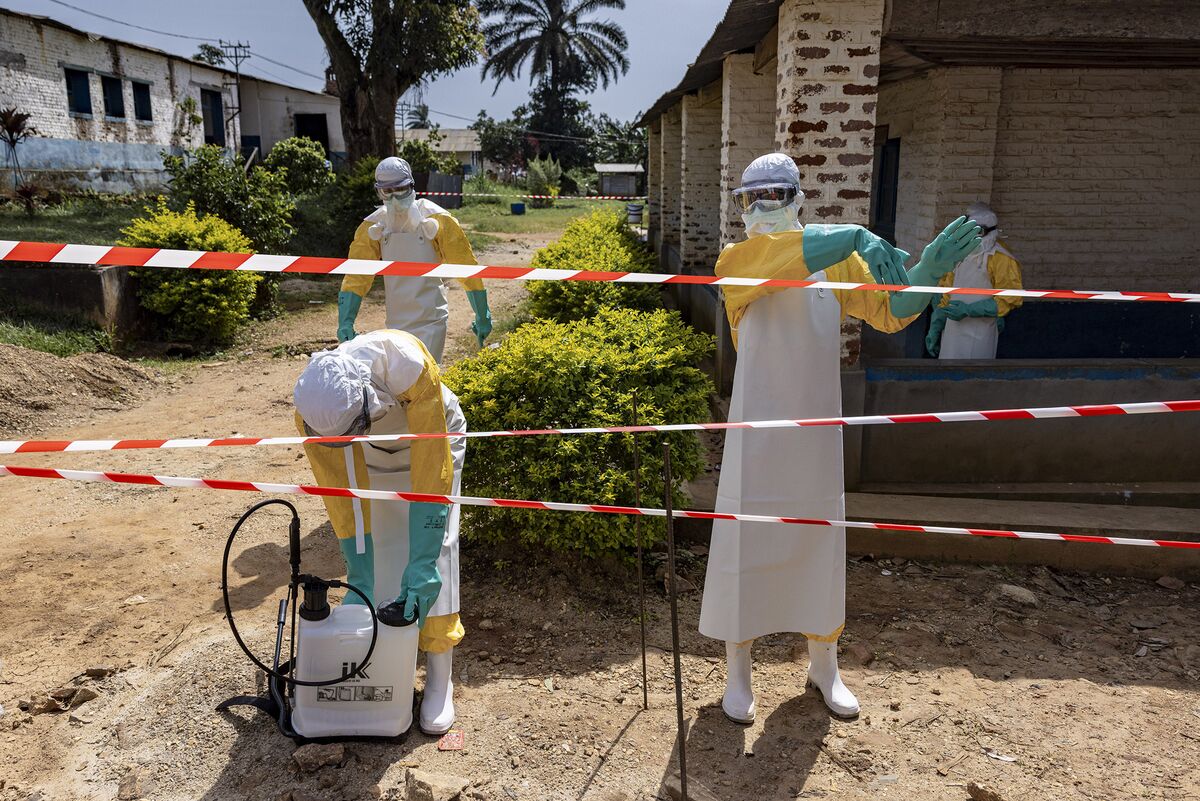
- Multiple sources indicate that the world is not safer from pandemics a decade after Ebola, and six years after COVID-19 highlighted gaps in outbreak preparedness.
- Public statements associated with the coverage point to ongoing concerns about underinvestment in global and national public health capacities, including surveillance and preparedness measures.
- The discourse includes discussion of ongoing work such as universal health and preparedness reviews (UHPR) and related accountability mechanisms, aimed at helping countries identify gaps.
- Commentary from health leaders underscores concerns about the current response to outbreaks (e.g., Ebola) and cuts to public health funding in some countries as part of the risk landscape.
What’s Still Unclear
- Exact quantified risk levels or specific gap categories (funding, surveillance, workforce, supply chains) are not provided in the available summaries.
- Details on which countries or regions are most at risk, and how leadership changes (such as in national public health agencies) are affecting preparedness, are not confirmed in the sources cited.
- Whether all major health organizations align on the severity of the gaps or differ in emphasis is not clearly stated in the provided materials.
Context
Global health experts have long warned that preparedness must keep pace with evolving threats. Reports and analyses in recent years have stressed the importance of sustained funding, robust surveillance, rapid response capabilities, and accountable governance to reduce pandemic risk. The modest recovery of public health systems after COVID-19 has faced competing budget pressures in many countries, complicating readiness for the next outbreak.
Why It Matters
Understanding and addressing pandemic preparedness gaps is critical for reducing the health, economic, and social impacts of future outbreaks. Clear attention to funding, governance, and operational readiness informs policy decisions at national and international levels and helps strengthen resilience against health emergencies.
What to Watch Next
- Follow updates from the Global Preparedness Monitoring Board on the “A World on the Edge” report and related recommendations.
- Monitor developments around universal health and preparedness reviews (UHPR) and how governments implement accountability measures.
- Look for continued discussion on public health funding trends and their impact on outbreak response capacity.
- Watch for any new country-level assessments or independent evaluations of pandemic preparedness following these reports.
FAQ
Q: What is the main warning from recent pandemic preparedness reporting?
A: The main warning is that pandemic risk is outpacing investments, and the world remains vulnerable despite past outbreaks.
Q: Are there concrete numbers or metrics available in the sources?
A: Specific quantified risk levels or gap metrics are not provided in the available summaries.
Related coverage
- Hiding in exile guilt family separation: Cubans Tread
- Calls for Public Debate on Nuclear Policy Conversation
- Defense cooperation Europe China relations: Hegseth targets
Source Transparency
- This article is based on a short preliminary brief and may not reflect the full details available in ongoing reporting.
- Source links are provided in the Sources section where available.
- A limited open-web check was used to clarify key details when possible; unclear items remain clearly marked.
Original brief: The world is not “well prepared” for the next pandemic, Tom Frieden, the former head of the Centers for Disease Control and Prevention said, citing the current response to the Ebola outbreak and cuts to US public health efforts….
Sources
- The world is on the edge of even greater pandemic damage
- Six years after COVID-19's global alarm: Is the world better prepared …
- WHO-linked report warns world more at risk of pandemic now than before …
- Survey reveals significant gaps in global pandemic preparedness
- Pandemic preparedness slipping just as global risks grow, new 100 Days …