
Published 2026-06-01
Summary: France’s navy intercepted and boarded an oil tanker in the Mediterranean believed linked to Russia’s sanctioned “shadow fleet,” part of a broader effort to curb evasion of international sanctions on Moscow’s crude exports. The operation follows similar actions described by French officials and Reuters/AP coverage, highlighting ongoing scrutiny of vessels facilitating sanctioned oil flows.
What We Know
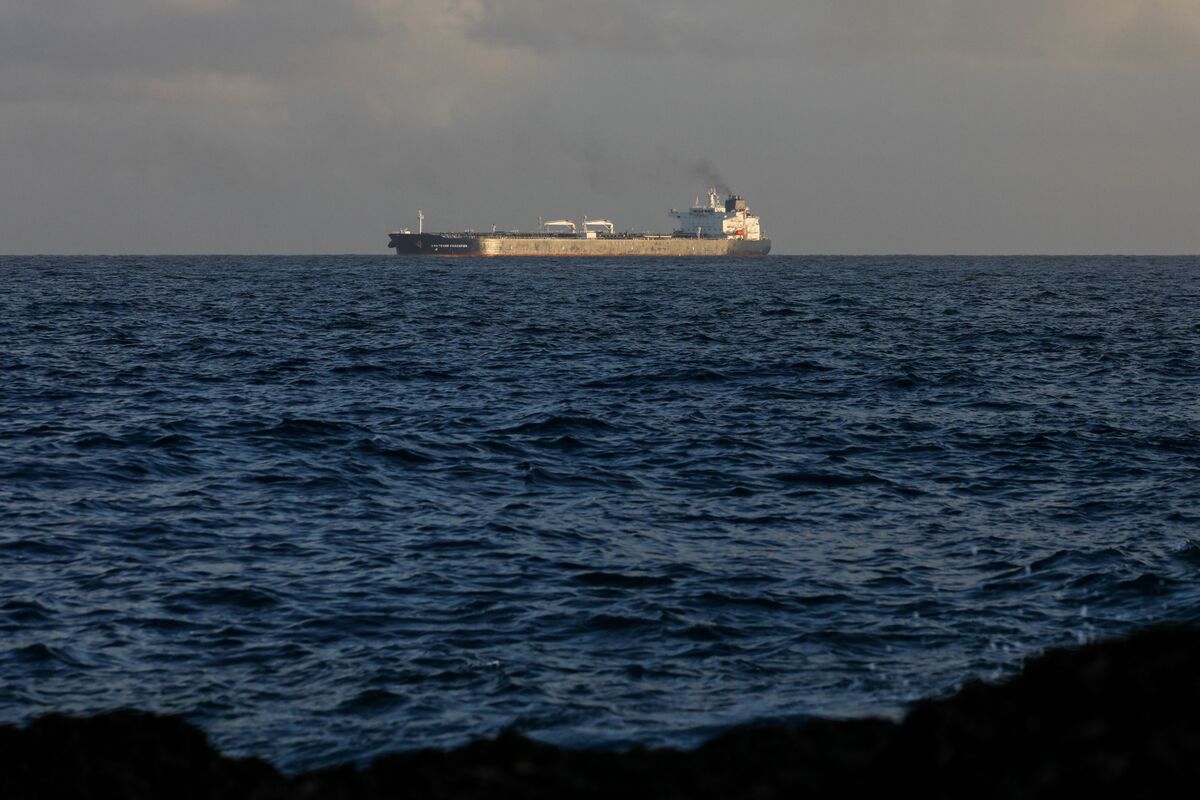
- The French navy intercepted or boarded an oil tanker in the Mediterranean that authorities say is linked to Russia’s sanctioned shadow fleet shipping oil in violation of international sanctions.
- President Emmanuel Macron commented that the operation involved Russia’s sanctioned shadow fleet and targeted oil exports.
- Multiple outlets characterize the event as part of a broader crackdown on Moscow’s shadow fleet and sanction evasion at sea.
- The incident has been reported with varying dates in different outlets, reflecting evolving reports of the event.
- The tanker name mentioned in some sources includes Deyna, with details about its current status post-interception not definitively confirmed in all reports.
What’s Still Unclear
- The exact date and sequence of the interception, given discrepancies across reports.
- The tanker’s final legal status or whether further sanctions actions will follow.
- Whether other allied countries participated in the operation beyond France.
- Specifics of the tanker’s ownership, flag, or operational routing, beyond being linked to the shadow fleet.
Context
Context: In recent years, a network often described as a shadow fleet has been cited by governments and observers as a mechanism to move sanctioned crude despite restrictions. International authorities have pursued vessels and operators believed to be part of such networks, aiming to curb illicit oil exports amid geopolitical tensions and sanctions regimes related to Moscow’s actions abroad.
Why It Matters
News of intercepting a tanker tied to sanctioned oil exports underscores ongoing enforcement at sea against sanction evasion. It reflects how naval and maritime authorities are used to monitor and disrupt illicit flows of crude, with potential implications for global oil markets, diplomatic signaling, and international law enforcement cooperation.
What to Watch Next
- Follow-up statements from French authorities detailing the tanker’s status and any legal actions taken.
- Reports on whether similar intercepts occur in the Mediterranean or other high seas regions.
- Updates on international responses or coordination among allied states regarding shadow-fleet crackdown actions.
- Any corroborating or conflicting information from other news outlets about the incident date and specifics.
FAQ
Q: What is a “shadow fleet” in this context?
A: The term refers to vessels believed to be used to move sanctioned oil outside of allowed channels, enabling exports that contravene sanctions, according to officials and reporting on the subject.
Q: Has the tanker been released or seized permanently?
A: Not confirmed in the available information; reports indicate interception and boarding with subsequent actions depending on authorities’ investigations.
Related coverage
- YouTube creators under 30 reshape Hollywood headlines
- Paris Hails Trophy Return asRiots Paint City with Blame on
- NJ immigrant detention protests visits resume after
Source Transparency
- This article is based on a short preliminary brief and may not reflect the full details available in ongoing reporting.
- Source links are provided in the Sources section where available.
- A limited open-web check was used to clarify key details when possible; unclear items remain clearly marked.
Original brief: France’s navy boarded another oil tanker on the high seas after it sailed from Russia, the latest move in a global crackdown on shadow-fleet vessels used to export sanctioned crude…
Sources
- 'We will let nothing pass': France intercepts Russia-linked oil tanker …
- French navy intercepts tanker suspected of being part of Russia's …
- France boards tanker it says is linked to Russian shadow fleet in …
- French navy intercepts sanctioned Russian tanker in Mediterranean
- France seizes suspected Russian 'shadow fleet' tanker