
Published 2026-06-02

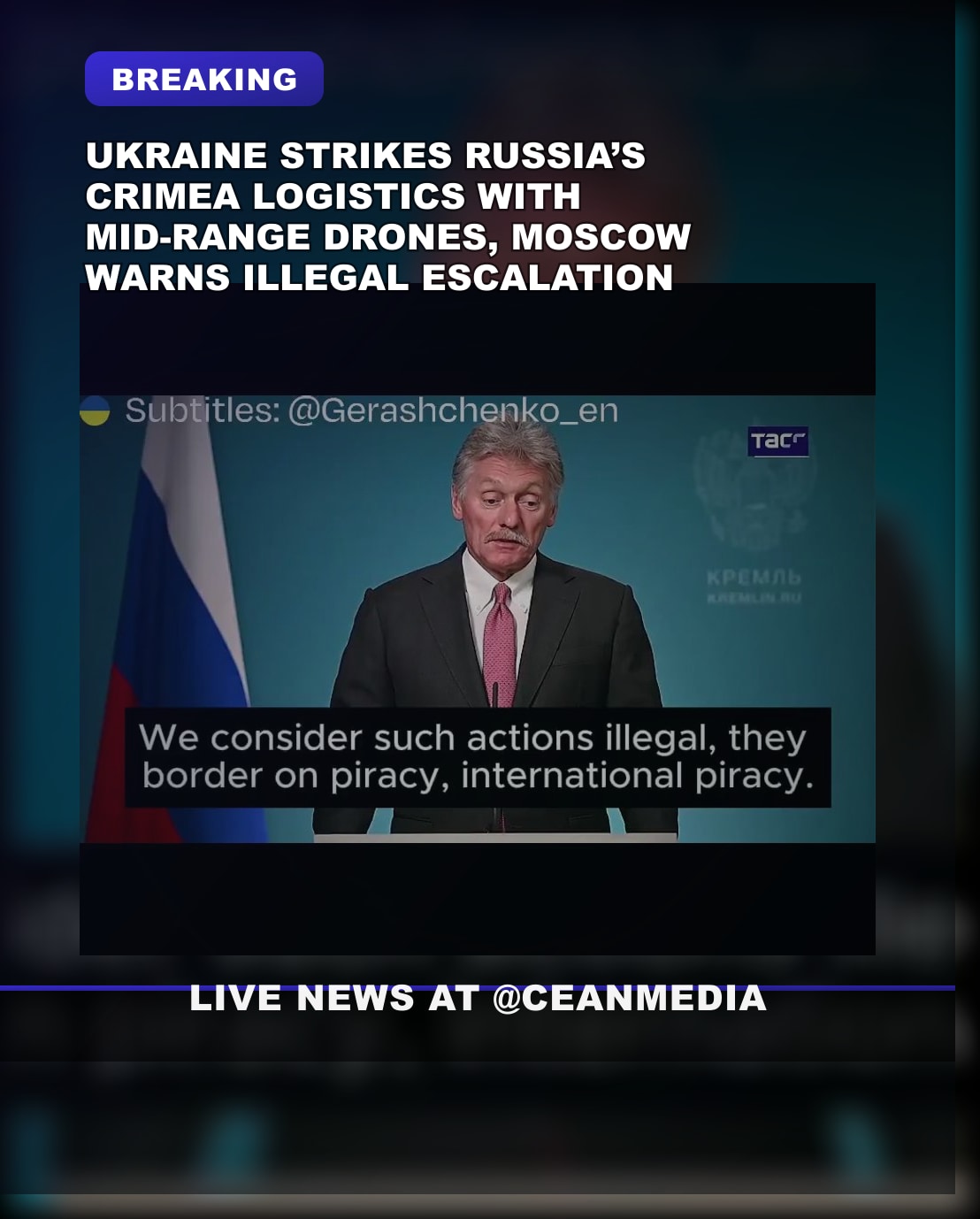
Summary: Ukraine is expanding mid-range drone campaigns that operate at tens to hundreds of kilometers from the front, targeting Russia’s logistics and military infrastructure with drones such as FP-2 carrying 60–100 kg warheads. The effort is framed as filling the gap between frontline FPV drones and deeper strikes inside Russia, including strikes on Crimea logistics facilities. Russia has asserted a stance that destroying the enemy’s logistics is illegal.
What We Know
- Ukraine is increasing mid-range strikes using drones operating at tens to hundreds of kilometers from the front line.
- Mid-range drone campaigns are described as filling the gap between frontline FPV drones and deep-strike attacks inside Russia.
- Drones such as FP-2 are used for mid-range strikes, with warheads weighing 60 to 100 kilograms mentioned.
- Ukraine’s mid-range strikes are reported to affect Russia’s logistics and military infrastructure, including targets related to Crimea logistics supply chains.
- There is a stated shift in capability toward mid-range operations enabling destruction of targets that directly affect the enemy’s military potential.
What’s Still Unclear
- Specific targets within Crimea confirmed by independent sources are not clearly identified in the available information.
- Exact current scale, tempo, and geographic distribution of Ukraine’s mid-range drone campaigns beyond the described strategic framing are not quantified here.
- Any changes to international or domestic legal frameworks or responses tied to mid-range strikes remain unconfirmed in the provided material.
Context
General background: The Ukraine–Russia conflict has involved various classes of drones, from FPV and frontline assets to longer-range systems intended to strike deeper within Russia and behind front lines. Drones have increasingly been used to disrupt logistics, energy infrastructure, and military facilities, with ongoing debates about lawful targeting and escalation dynamics.
Why It Matters
Mid-range drone capabilities can affect Russia’s ability to sustain operations by targeting supply lines, storage facilities, and other logistical nodes. The development signals a shift in how air and unmanned systems are used to pressure enemy logistics beyond the immediate front, with potential implications for risk, escalation, and regional security.
What to Watch Next
- Any official statements detailing the legal framework or changes regarding the use of drones to strike logistics or military infrastructure.
- New reports confirming specific Crimea-related targets and the broader impact on supply chains.
- Analyses on how mid-range drone campaigns influence Russian defense planning and response tactics.
- Updates on drone technology developments, including payloads, range, and countermeasures.
FAQ
Q: What defines a mid-range drone strike in this context?
A: The term describes drones operating at tens to hundreds of kilometers from the front line, intended to strike targets that affect the enemy’s military potential, filling the gap between frontline FPV drones and deep-penetration strikes.
Q: Are there confirmed targets in Crimea?
A: Specific Crimea targets are not explicitly confirmed in the available information.
Related coverage
- Ukraine drones missiles attack casualties: Russia hits
- Distant Logistics Hub Strike Shakes Russia’s Oil Transit
- Putin Armenia EU threat echoed in Ukraine-focused speech
Source Transparency
- This article is based on a short preliminary brief and may not reflect the full details available in ongoing reporting.
- Source links are provided in the Sources section where available.
- A limited open-web check was used to clarify key details when possible; unclear items remain clearly marked.
Original brief: Ukraine’s quickly increasing number of mid-range drones striking Russia’s logistics supplying Crimea are becoming a huge problem for Russia.
Russia now says that it’s illegal for Ukraine to destroy the enemy’s logistics and military infrastructure…
Sources
- Ukrainian mid-range strikes deal double blow to Russia's war effort
- Middle-strike operations: how Ukrainian drones are degrading russia's …
- Ukraine's AI Drones Are Hunting Russian Supply Lines – Forbes
- Analysis: How Ukraine's new middle strike drone campaign aims to …
- Ukraine Needs New Mid-Range Strike Drones – CEPA