
Published 2026-06-04

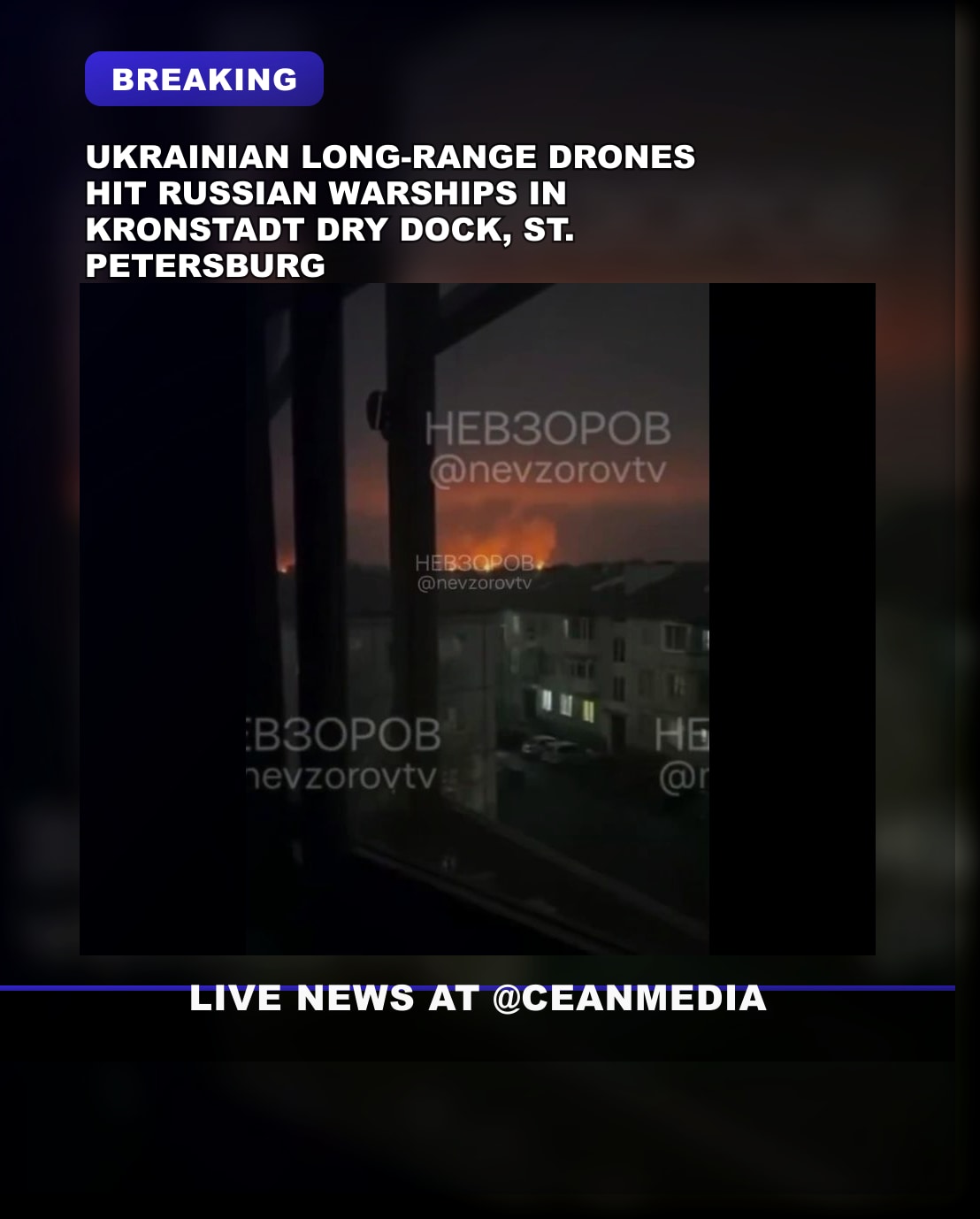
Summary: Ukrainian long-range drones reportedly attacked Kronstadt naval base near St. Petersburg, targeting vessels such as the missile corvette Boikiy. Footage of the attack has been released, with claims of damage to Boikiy and broader implications for the Baltic Fleet. Details remain unconfirmed in official channels.
What We Know
- Ukrainian long-range drones are reported to have attacked Kronstadt naval base near St. Petersburg, part of Russia’s Baltic Fleet operations.
- The attack is said to have targeted vessels at Kronstadt, including the missile corvette Boikiy.
- There is released footage related to the attack and the Boikiy in the Kronstadt area.
- The reports describe the Boikiy as a notable warship in the Baltic Sea region.
- There is mention of strong negative reactions among Russian sailors in Kronstadt in response to the incident.
What’s Still Unclear
- Whether any damage to Boikiy or other vessels has been independently verified by official sources.
- Whether the attack actually reached the Kronstadt shipyard/dock facilities or other Kronstadt-related facilities.
- Specific details on casualties, collateral damage, or operational status of the Baltic Fleet following the incident.
- Confirmation of the distance and feasibility claims for the long-range drones beyond the reported context.
- Broader strategic impact or retaliatory actions by either side remains not confirmed in the provided material.
Context
The Russia–Ukraine conflict has featured various drone and missile strikes across borders and fleets. Kronstadt, near St. Petersburg, houses elements of Russia’s Baltic Fleet and has previously been referenced in reporting about naval capabilities and security dynamics in the region. The information here draws from contemporary reports and circulating footage; independent verification may take time and different sources may provide varying details.
Why It Matters
Incidents involving naval bases and long-range drones can influence perceptions of strategic vulnerability, naval readiness, and regional security dynamics. If confirmed, damage to a Baltic Fleet vessel could signal evolving threat environments for maritime forces operating near major population centers and critical waterways.
What to Watch Next
- Official statements or confirmations from relevant military authorities regarding the Kronstadt incident.
- Independent verification of vessel damage, casualties, and operational status at the Baltic Fleet.
- Follow-up reporting on any changes to naval posture or defense measures in the Baltic region.
- Analysis on the implications for regional security and cross-border military activity.
FAQ
Q: What exactly happened at Kronstadt according to initial reports?
A: Initial reports indicate Ukrainian long-range drones attacked Kronstadt naval base with claims of targeting vessels such as the Boikiy, along with released footage. Verification from official sources is not provided in the available information.
Q: Has there been confirmation of damage or casualties?
A: No independent verification of damage or casualties is provided in the available material.
Related coverage
- Kyiv mother tragedy: Kyiv mother killed running to shelter
- Ukraine responds with drone swarm attack Russia after
- Tragic Toll Rises: Ukrainian Civilian Casualties Dnipro
Source Transparency
- This article is based on a short preliminary brief and may not reflect the full details available in ongoing reporting.
- Source links are provided in the Sources section where available.
- A limited open-web check was used to clarify key details when possible; unclear items remain clearly marked.
Original brief: Ukrainian long-range drones hit Russian warships in the dry dock at the naval base in Kronstadt (St. Petersburg) today
The corvette Boikiy, one of the Baltic Sea’s most powerful warships, was hit
Russian sailors in Kronstadt must be furious. Maybe they should start a rebellion?…
Sources
- Russia's Baltic Fleet Successfully Attacked By Ukrainian Drones
- Ukraine strikes Russian warship at Kronstadt naval base, releases drone …
- Exceptional Precision of Ukrainian Drones in the Strike on Kronshtadt …
- Attack on Kronstadt Plant in Russia: Ukrainian Drones Show Phenomenal …
- Ukrainian Drones Allegedly Hit Russia's Kronstadt Drone Plant in Deep …